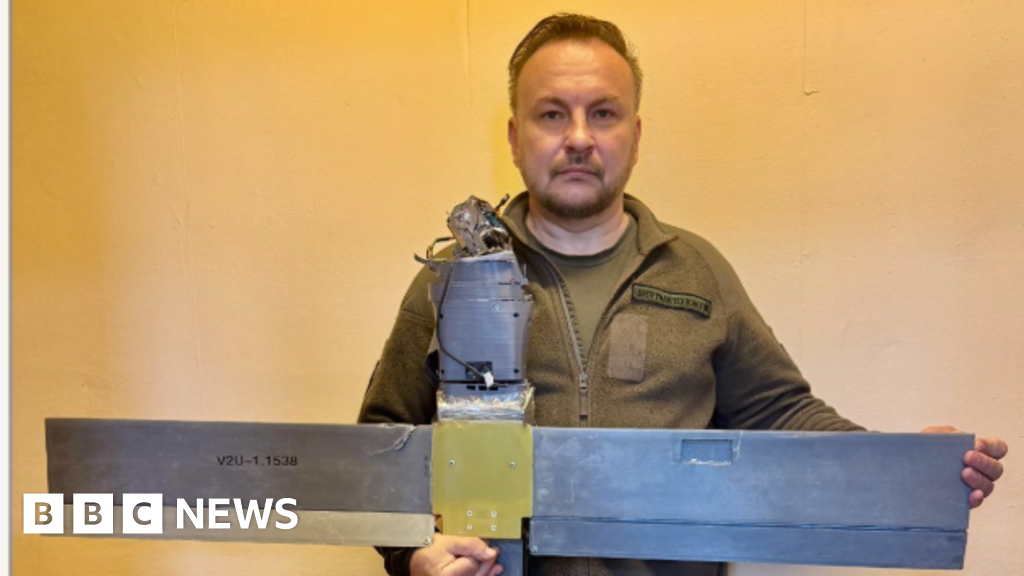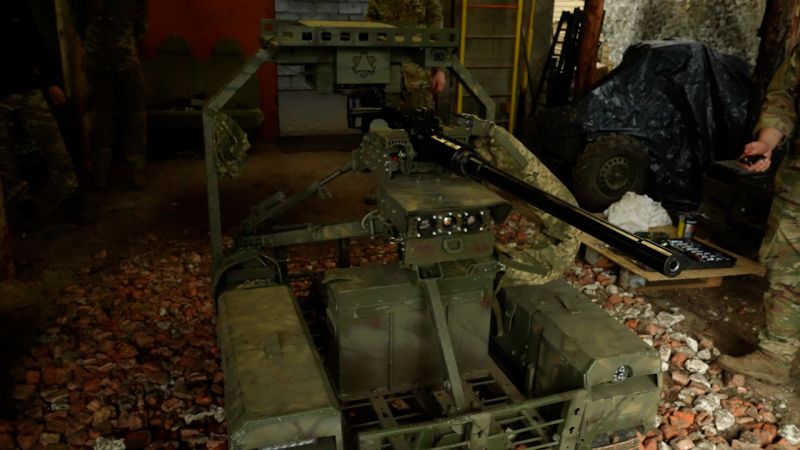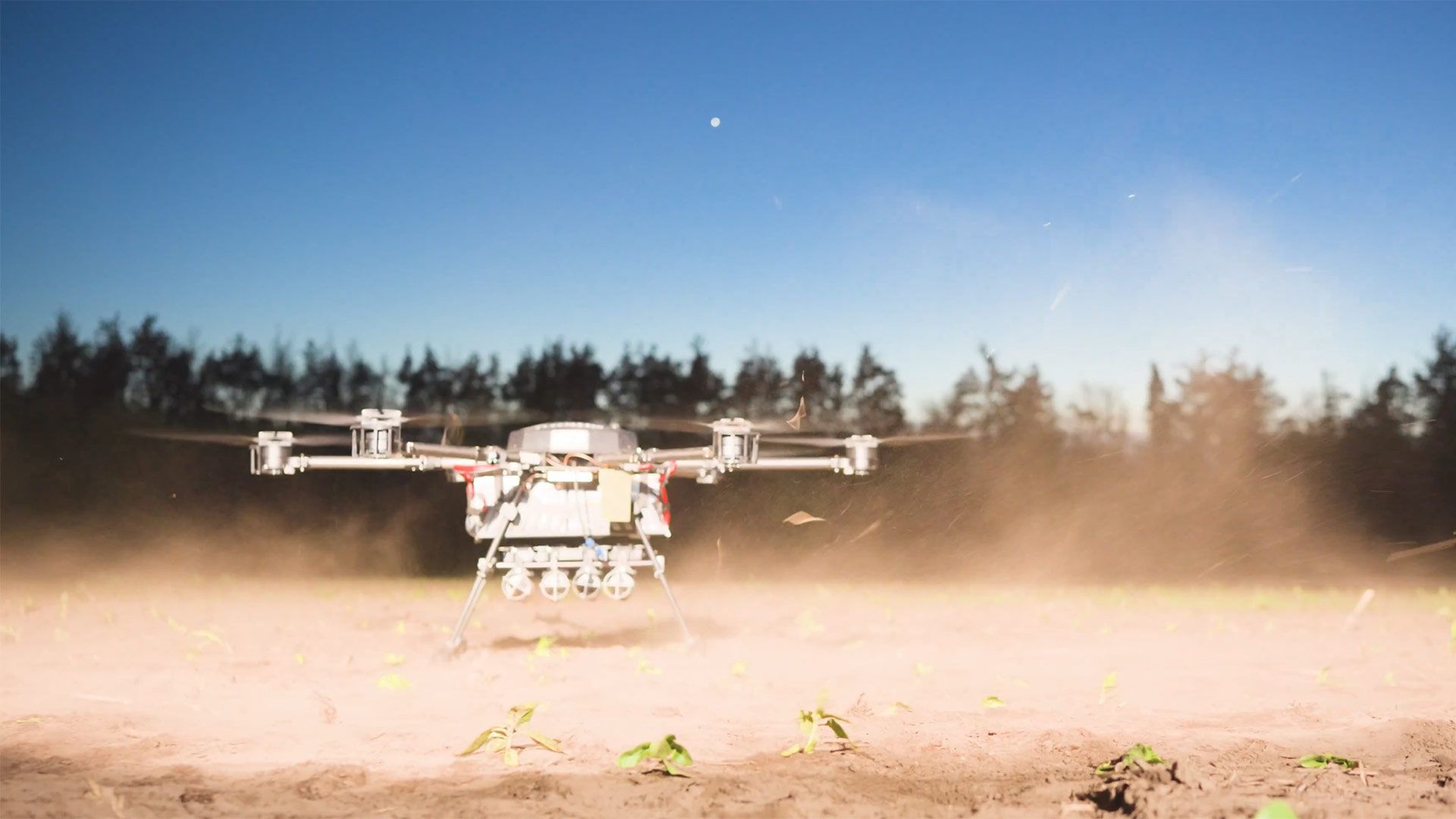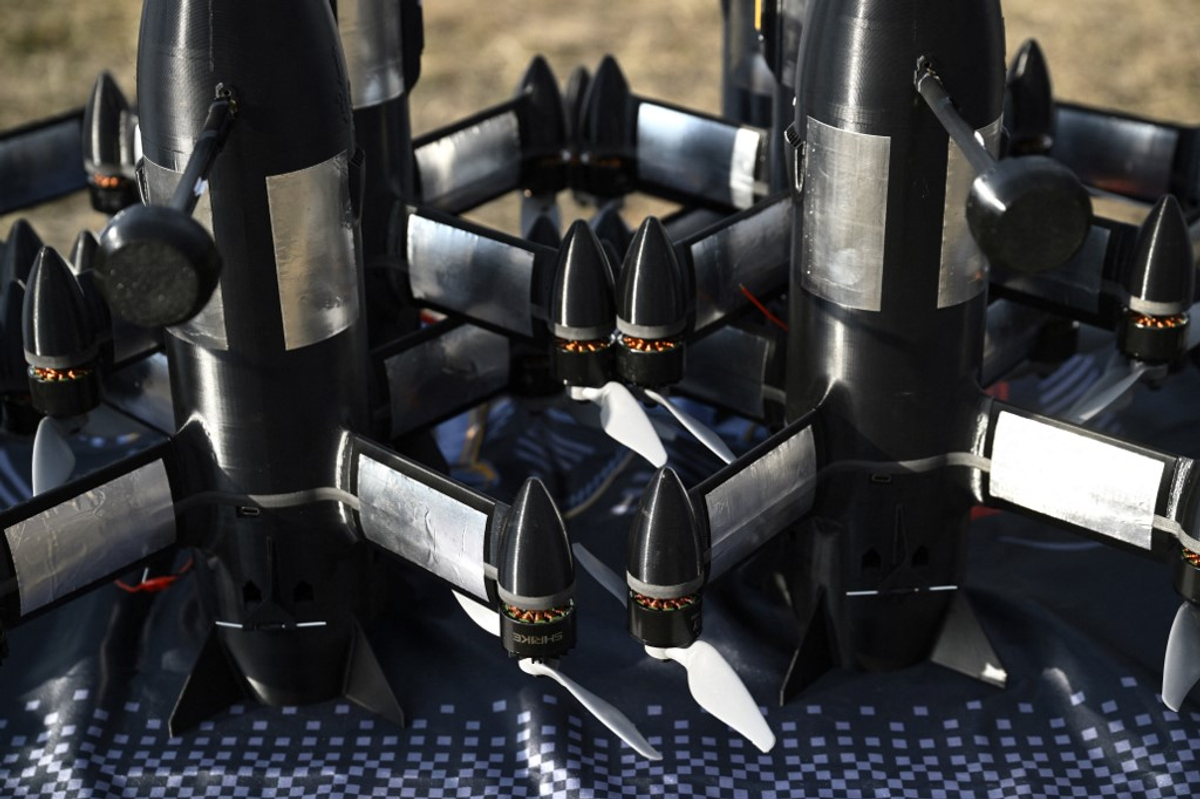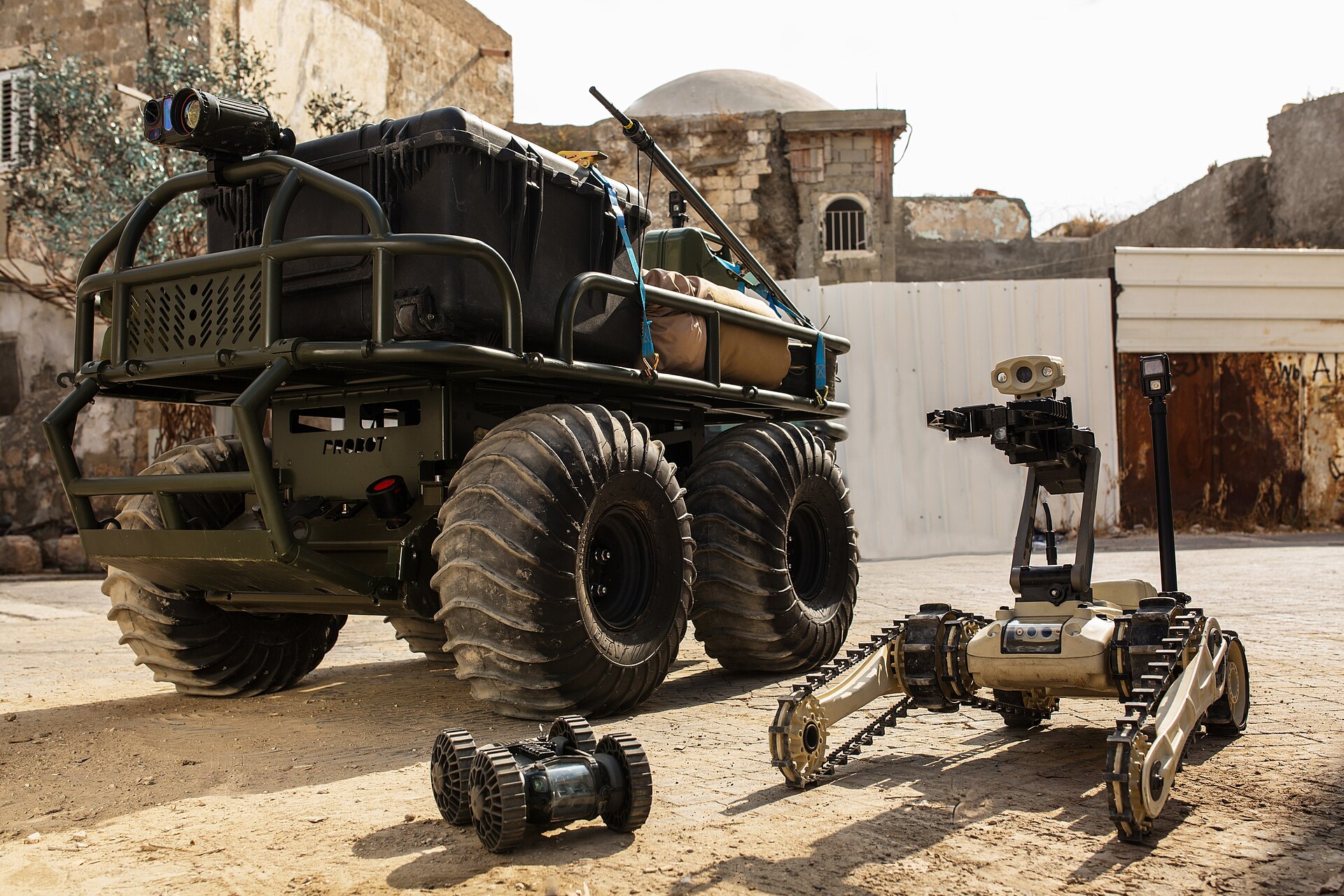
In the current attritional phase of the Russian-Ukrainian war, unmanned aerial vehicles (UAVs, or simply drones) of various types are responsible for 70-80 percent of all casualties and injuries on both sides.
The logic of attrition and the growing use of UAVs have created a self-perpetuating cycle. With omnipresent drones now controlling an ever-widening “kill zone”, both armies have shifted to small, mobile groups to advance into or retake territory, making strategic breakthroughs nearly impossible. This, in turn, has accelerated UAV development, driven above all by advances in electronic warfare and the jamming of radio signals between operators and drones.
Although neither Russia nor Ukraine invented these technologies, both have developed – or, more accurately, refined – two major responses to jamming. One uses a fibre-optic cable as a guidance link between the operator and the UAV, making it immune to radio-frequency jamming. The other uses AI to select and engage targets without operator intervention. In that case, there is no operator-drone link to jam.
The first solution has already caused lasting environmental harm. The second one – called “lethal autonomous weapons systems”, or LAWS – threatens far-reaching consequences well beyond the environmental damage. Both are effectively crimes against humanity’s future, but international law lags behind on both issues, with the absence of international regulation of LAWS being particularly depressing.