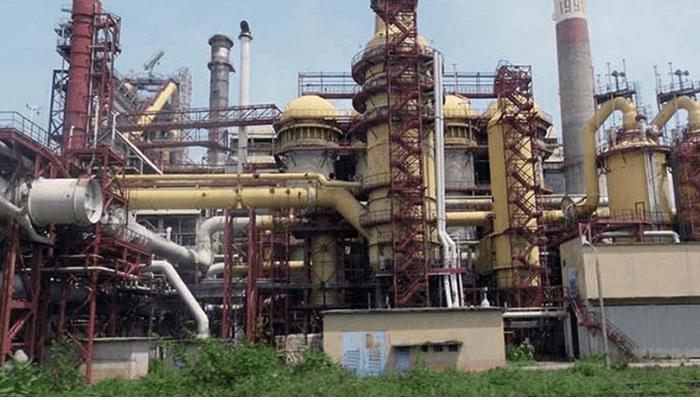
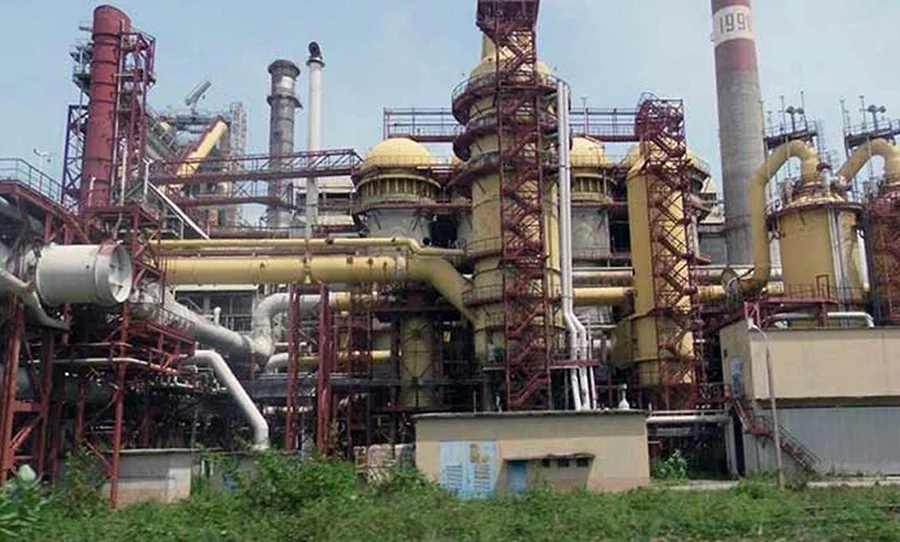
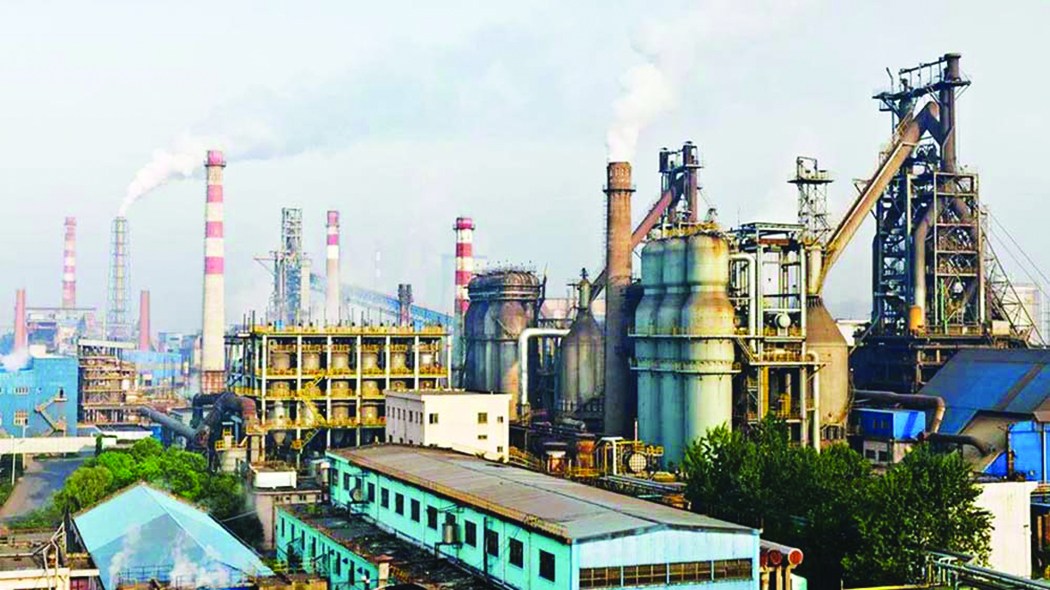
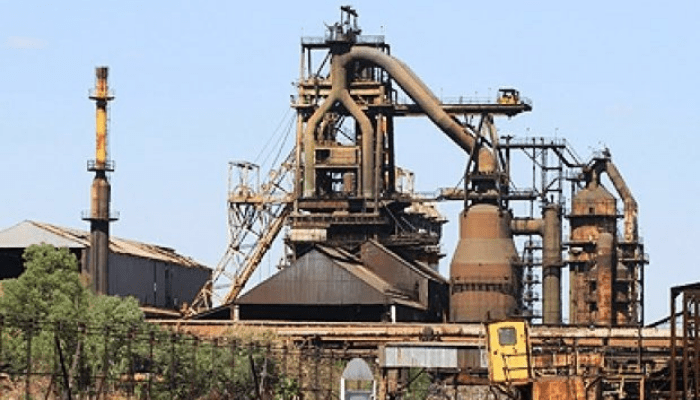
Nigeria is making its biggest push in 30 years to reclaim its steel industry, lining up $2.7 billion in private capital to restart idle plants and compete with cheap Chinese imports that have crippled production for decades.
The investment, pooled from domestic manufacturers and foreign partners, targets the restart of Ajaokuta, Delta Steel, and new rolling mills to produce rebar, wire rods, and structural steel locally, aiming to replace a $4 billion annual import bill and supply Nigeria’s housing, roads, and rail boom.
However, they are walking into a market where Chinese steel lands in Lagos ports 20 to 30 percent cheaper, backed by state support and excess capacity.
Whether the money survives contact with that reality will depend on transparency and enforcement. Experts say the government must ensure transparency, enforce quality standards, block dumping at ports, and guarantee power and infrastructure for mills.
Without those safeguards, they warn the $2.7 billion could be absorbed by the same costs and policy gaps that shuttered plants in the past, leaving Nigeria still dependent on imported steel to build its roads, housing and rail projects.