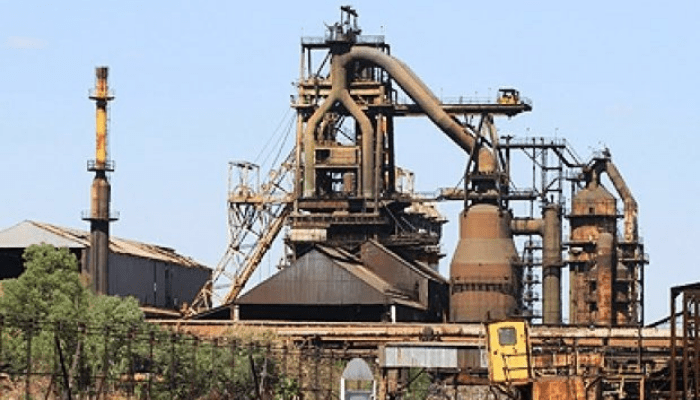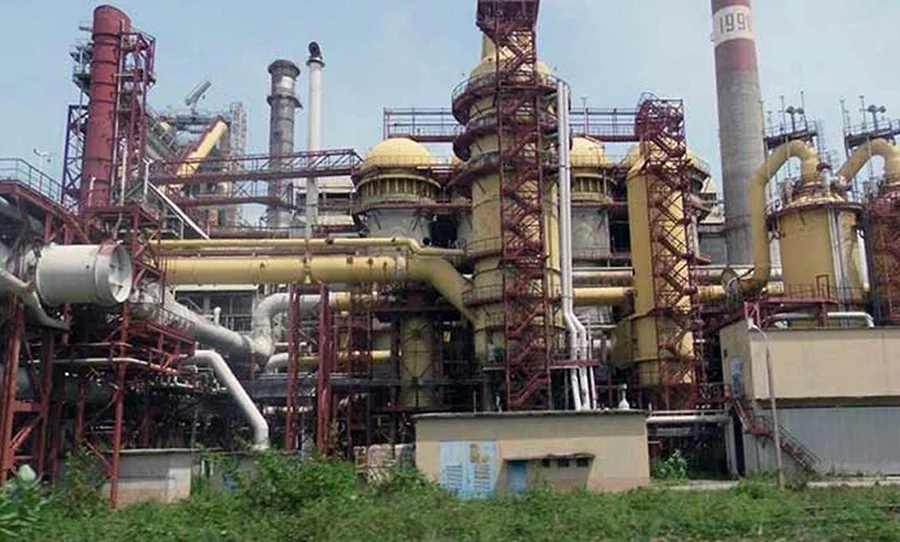
Efforts to revive Ajaokuta Steel have begun. However, the question is: will this revival deliver industrial growth, or repeat an expensive history? Festus Akanbi writes
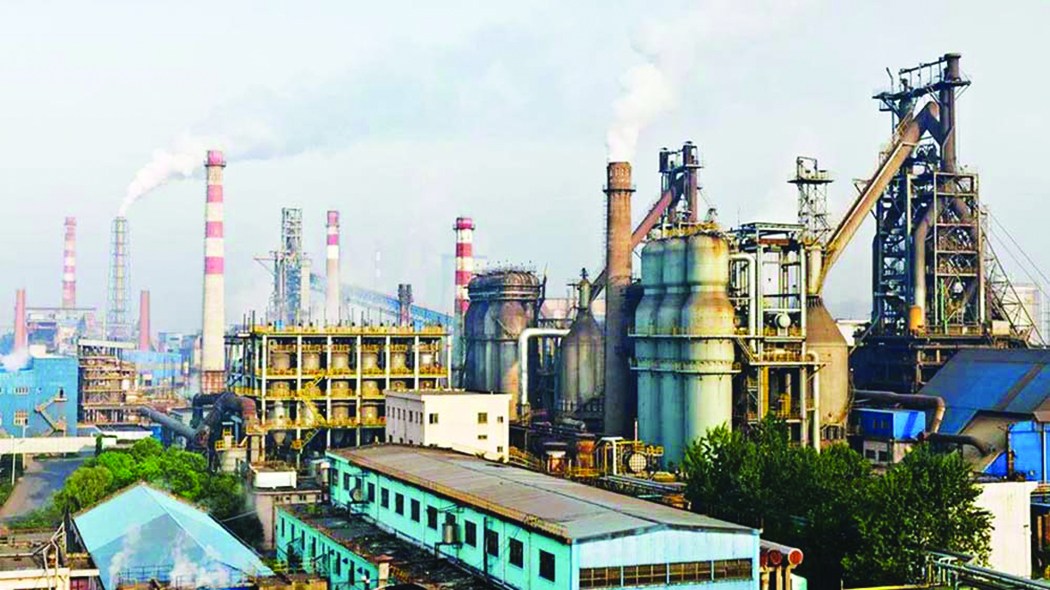
The federal government’s renewed determination to revive the Ajaokuta Steel Company has once again reignited one of Nigeria’s longest-running industrial debates. For over four decades, Ajaokuta has embodied both the country’s industrial ambitions and the frustrations of failed policy execution. Today, buoyed by a proposed $2 billion Chinese-backed investment, renewed investor interest and the implementation of the National Industrial Policy (NIP), the Tinubu administration believes the steel complex could finally become the backbone of Nigeria’s industrial transformation.
Yet, amid the optimism, economists and industry analysts are urging caution, warning that unless the revival is anchored on private capital, sound governance and commercial discipline, Ajaokuta could become another expensive fiscal burden, much like Nigeria’s state-owned refineries before private investment reshaped the downstream petroleum sector.
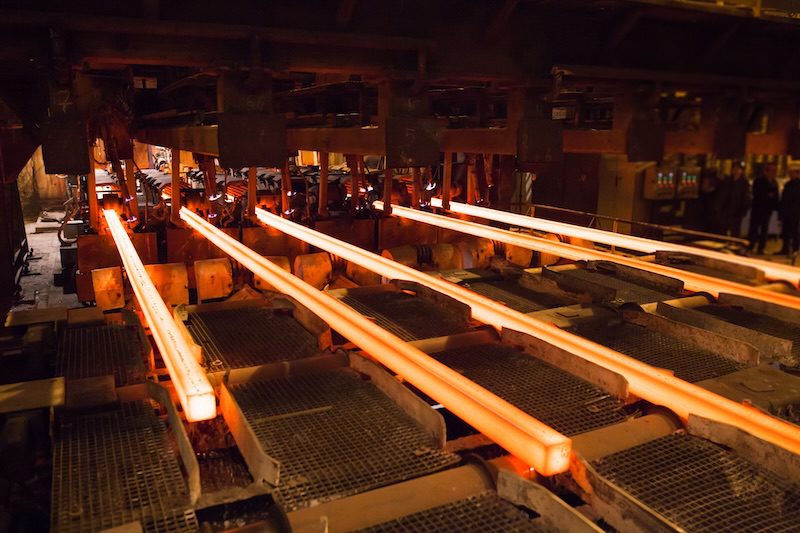
The economic case for reviving Ajaokuta is compelling. Steel is the foundation of industrialisation, supplying critical inputs for construction, transport, power, automobile manufacturing, defence and engineering.