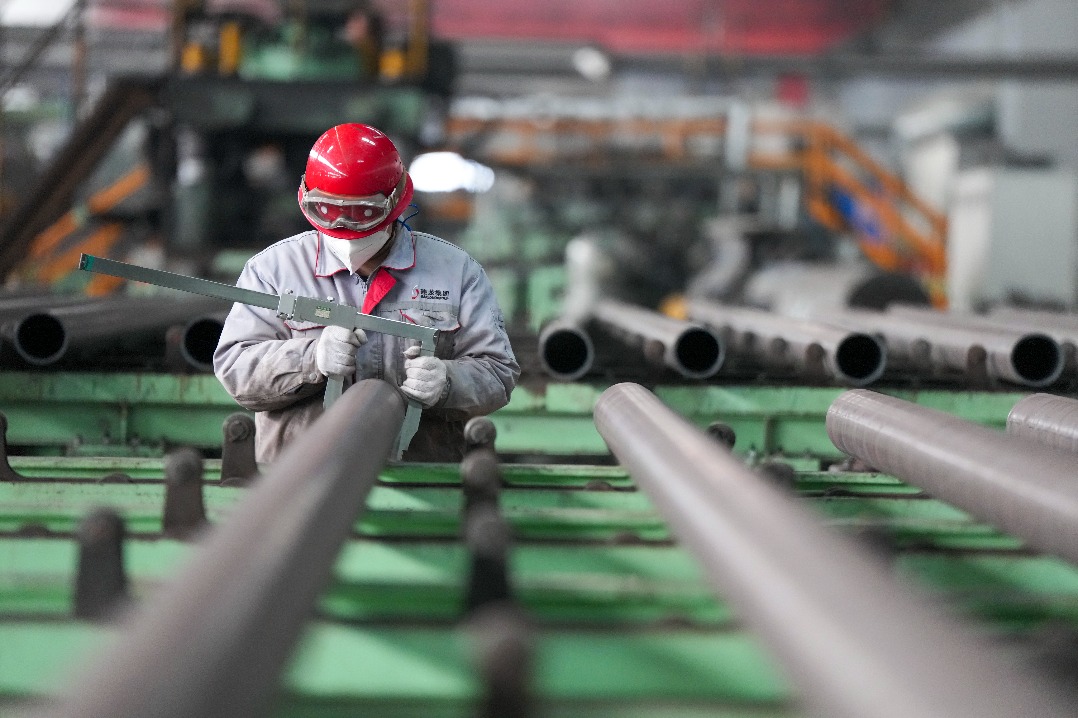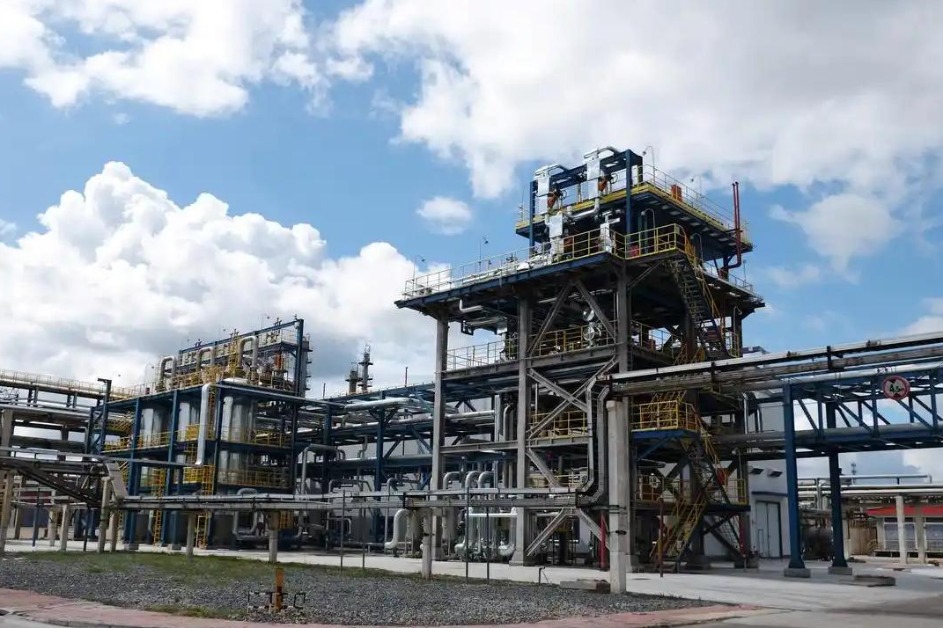
Globally, the iron and steel industry’s decarbonisation trajectory – key to tackling climate change, given the sector generated close to 10% of emissions – is advancing. But it is doing so haltingly, and at a pace that remains misaligned with the rate required to meet global emissions reduction obligations.
Steelmakers across Asia-Pacific are experiencing low returns on capital and margin compression as a result of overcapacity, and insufficient demand from lack of consumer willingness to pay clean commodity premiums.
The international lesson is that while there is a clear long-term path toward near-zero carbon iron production, capital flows into decarbonisation across the iron and steel value chain must be supported by strategic government policies that enable technologies to progress up the commercialisation curve.
Australia’s Future Made in Australia (FMIA) re-industrialisation policy was a landmark inflection point of the Albanese government’s recognition of the role government can play in kickstarting new value-added opportunities in a decarbonising economy – such as green iron and steel.
However, to do this, FMIA needs to get money out the door.