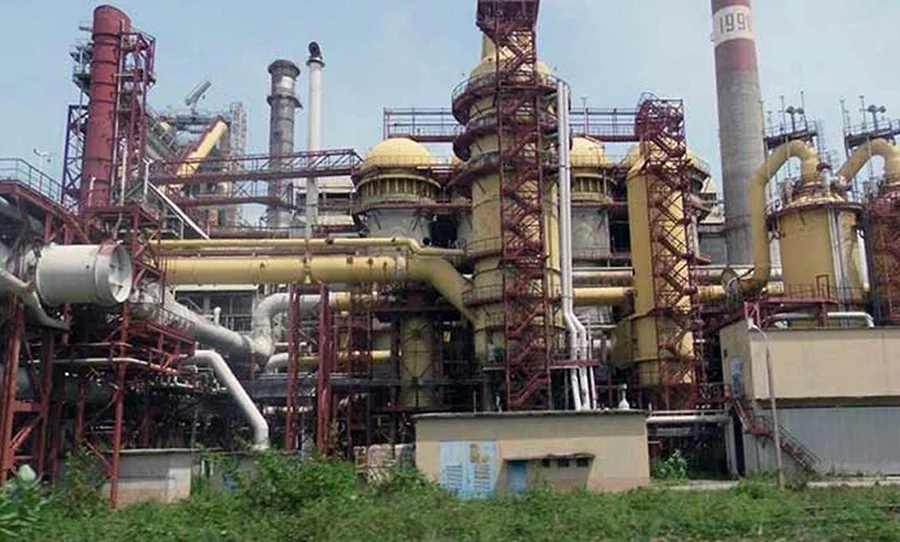
Every year, Nigeria spends $4bn (N5.50tn) on steel imports; it has the iron ore, land, and people to produce it domestically. Every year, 90 per cent of Nigeria’s freight moves by road through corridors so congested that Apapa port alone haemorrhages an estimated $2bn in logistics waste annually. And every year, both solutions — a functioning steel industry and a nationwide rail network — are discussed and deferred.
This is not a counsel of despair. It is a business case.
I have developed the Nigeria Steel and Rail Transformation Initiative, a 15-year, N44tn ($32bn) framework to build five modern steel mills across Nigeria’s geopolitical zones and lay 5,000 kilometres of standard-gauge rail connecting every major city and port in the country. The 20-year return in steel import savings, rail revenues, logistics efficiency gains, and tax receipts is N82tn-N110tn ($59.6bn to $80bn) — a return of 2.5 to 3.4 times the investment, rising to 9 to 13 times when the full GDP multiplier is counted. And it does not begin with Ajaokuta.
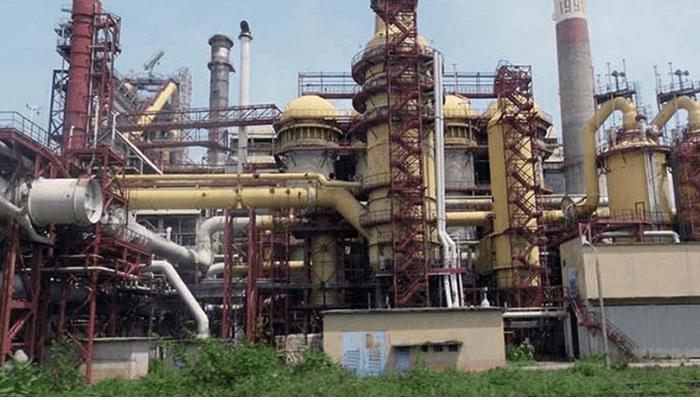
Ajaokuta is 45 years old, billions have been spent, and it has never produced a single tonne of commercial steel. That is not an argument against Nigerian steel — it is an argument against that specific approach. A Soviet-designed integrated blast furnace requiring a dedicated power plant, 200-plus concentrated metallurgical engineers Nigeria does not yet have, and a political consensus that has never materialised: these are the conditions for continued failure.