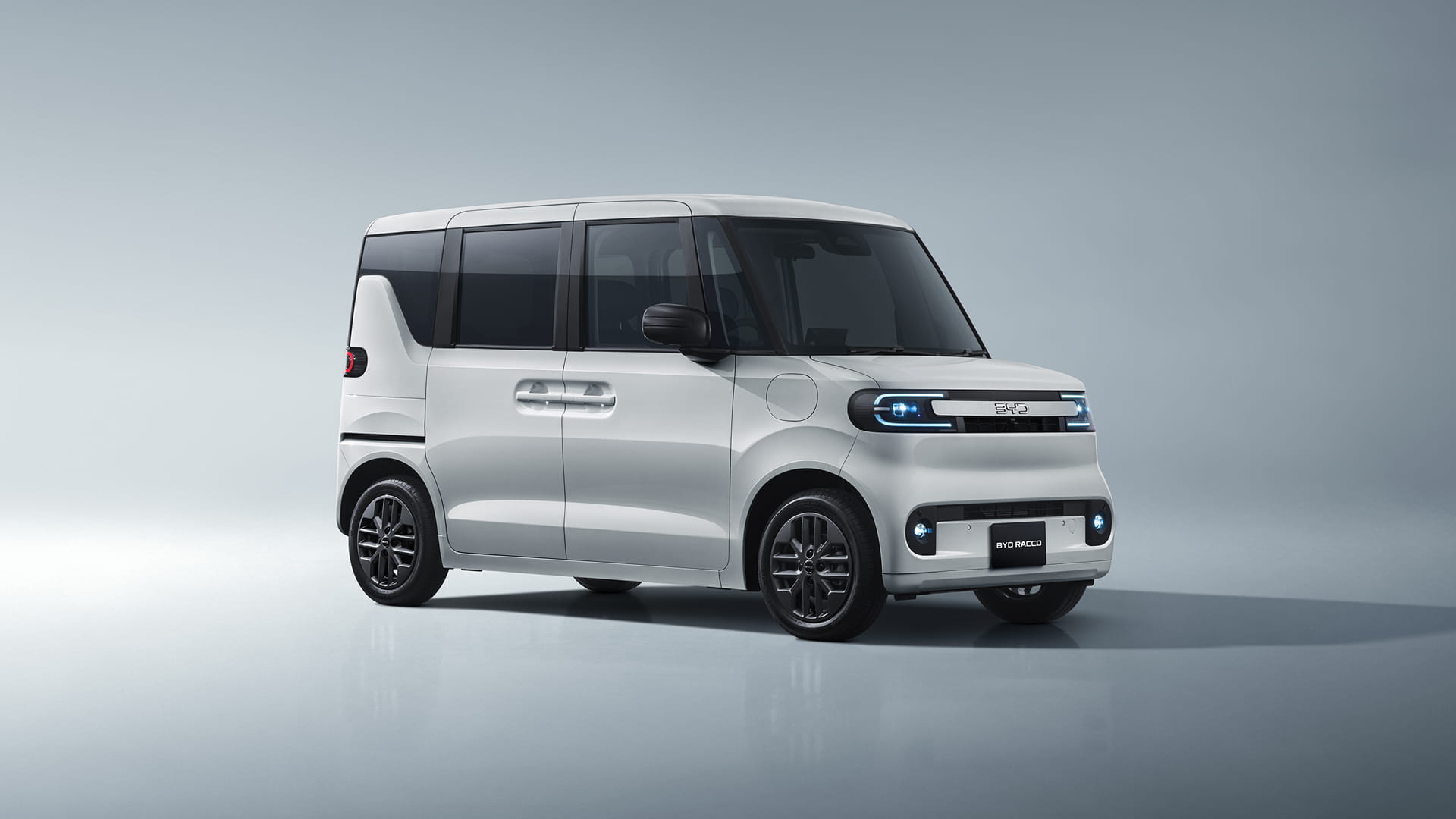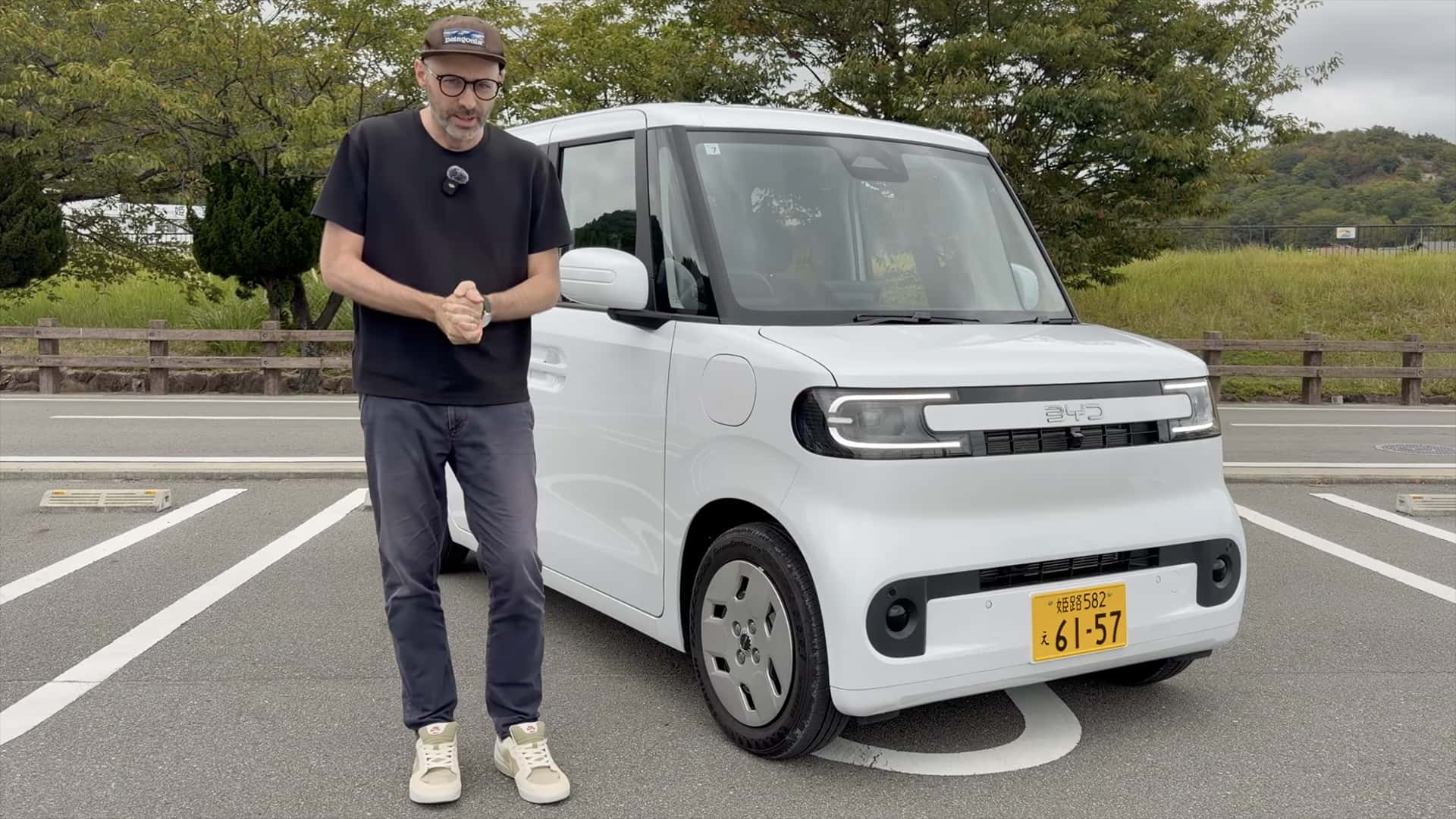
Kei cars are a special vehicle category that has been promoted in Japan for decades, characterised by their ability to navigate narrow streets with ease. Under current regulations, these vehicles may be a maximum of 3.40 metres long and 1.48 m wide (excluding side mirrors). This makes them significantly smaller than the smallest cars on the European market, such as the Fiat 500e, which measures 3.63 m in length and 1.68 m in width (excluding mirrors).
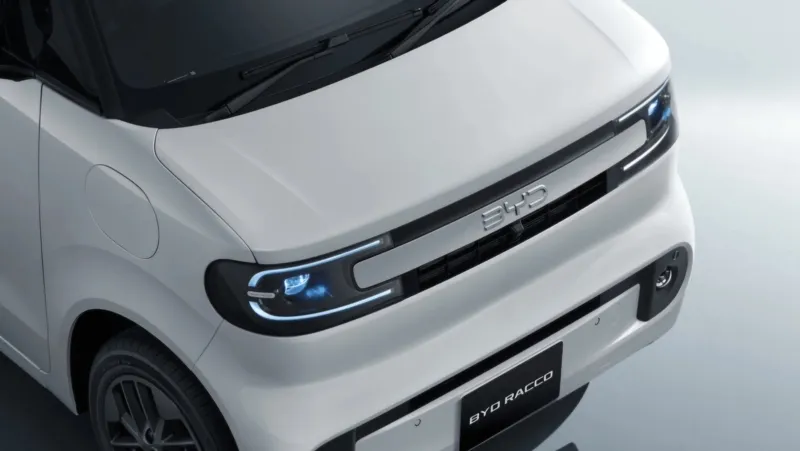
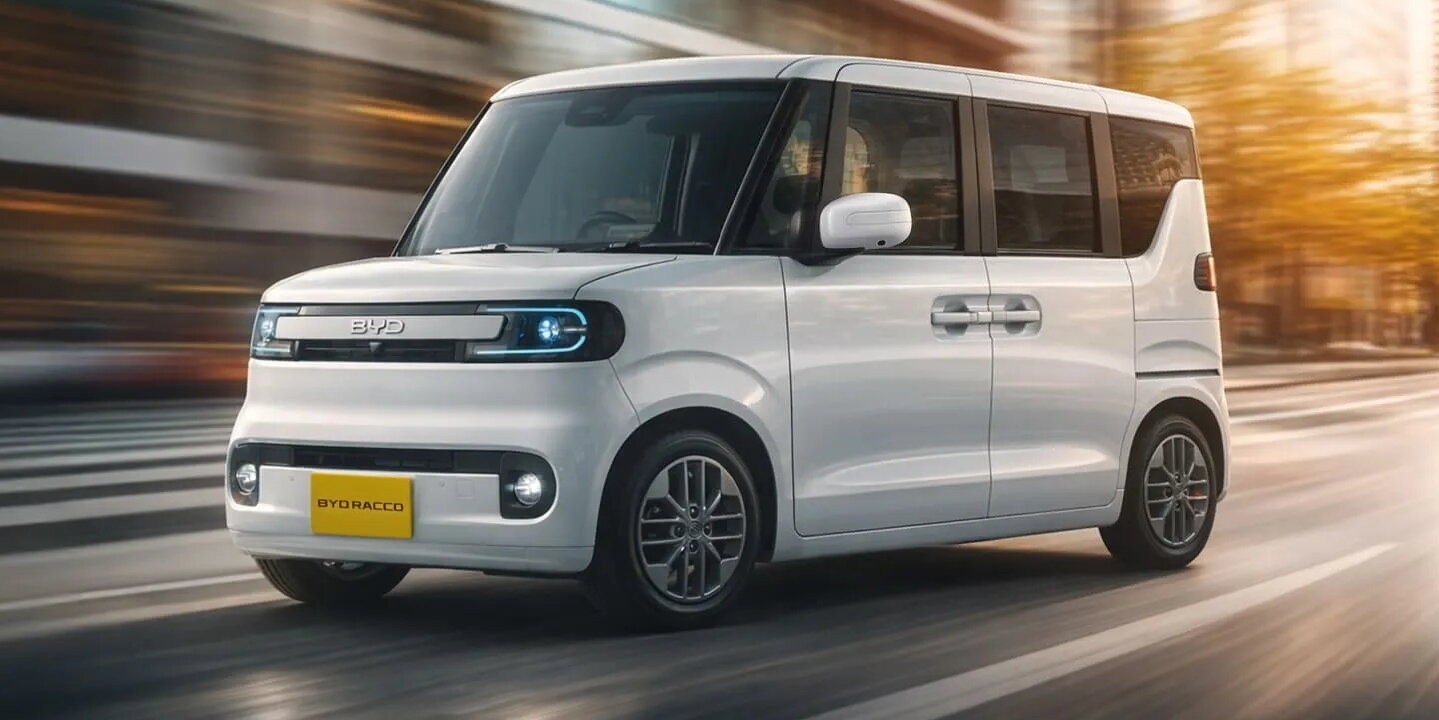
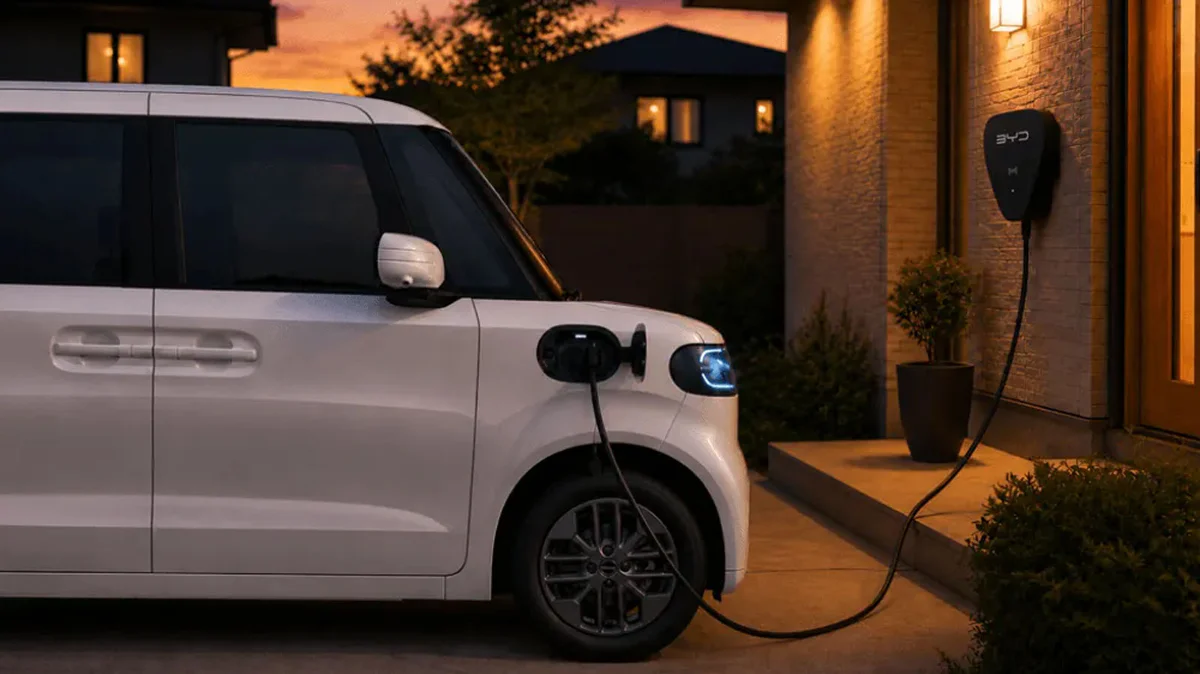
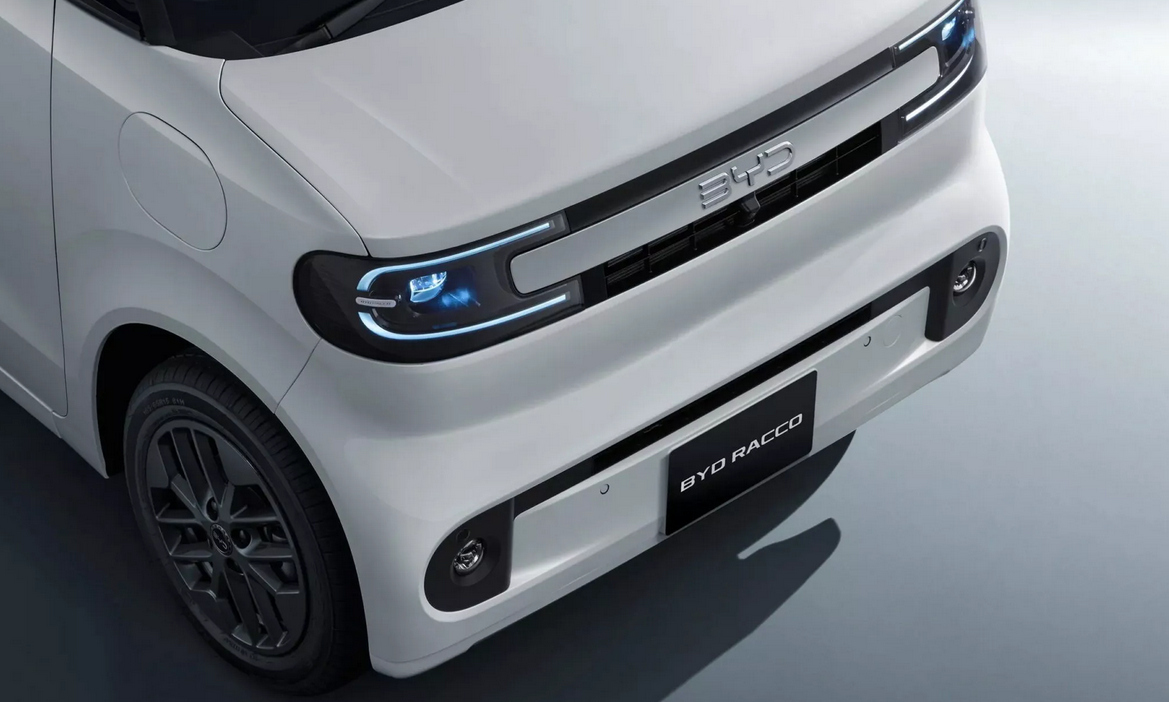
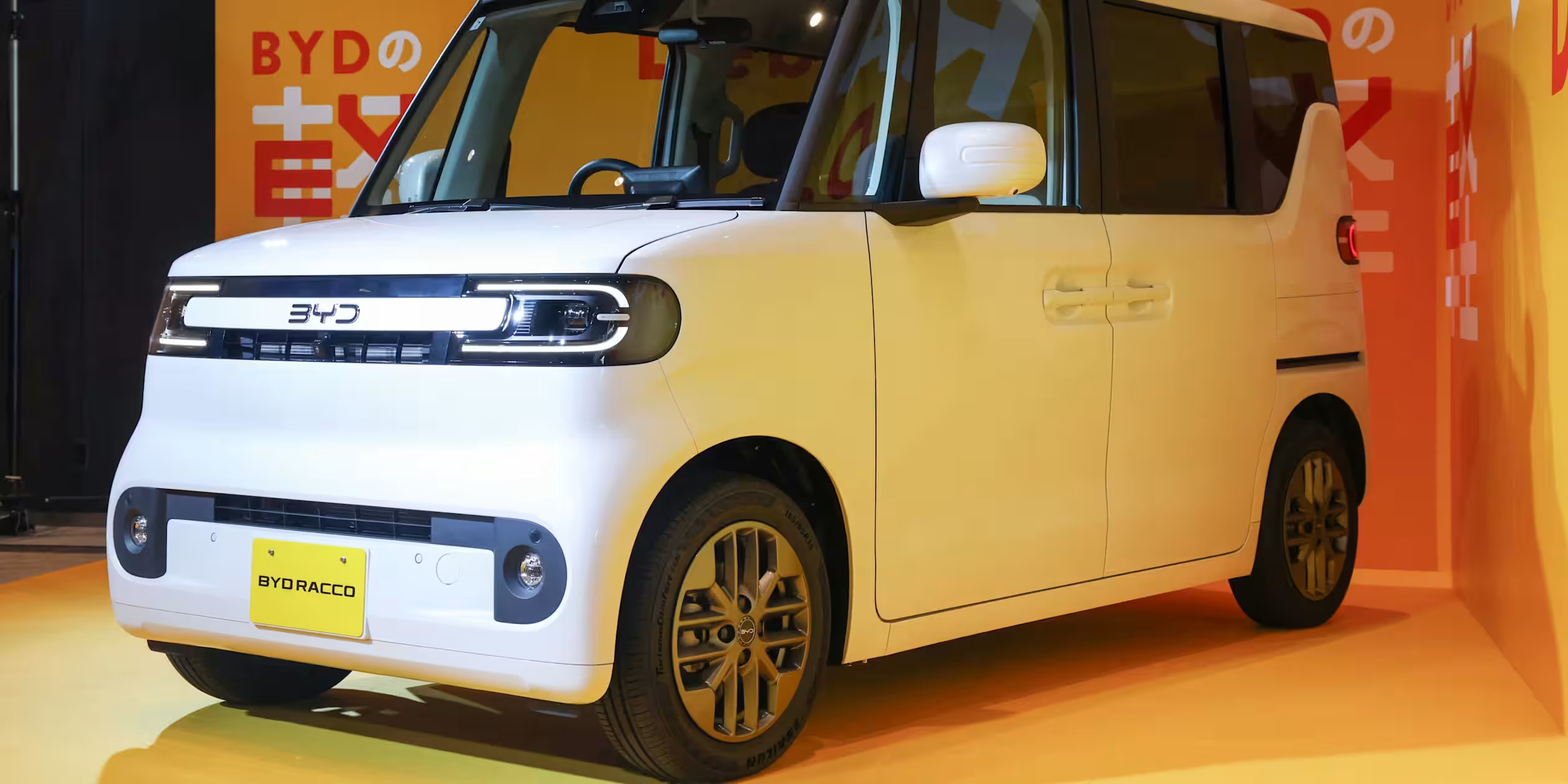
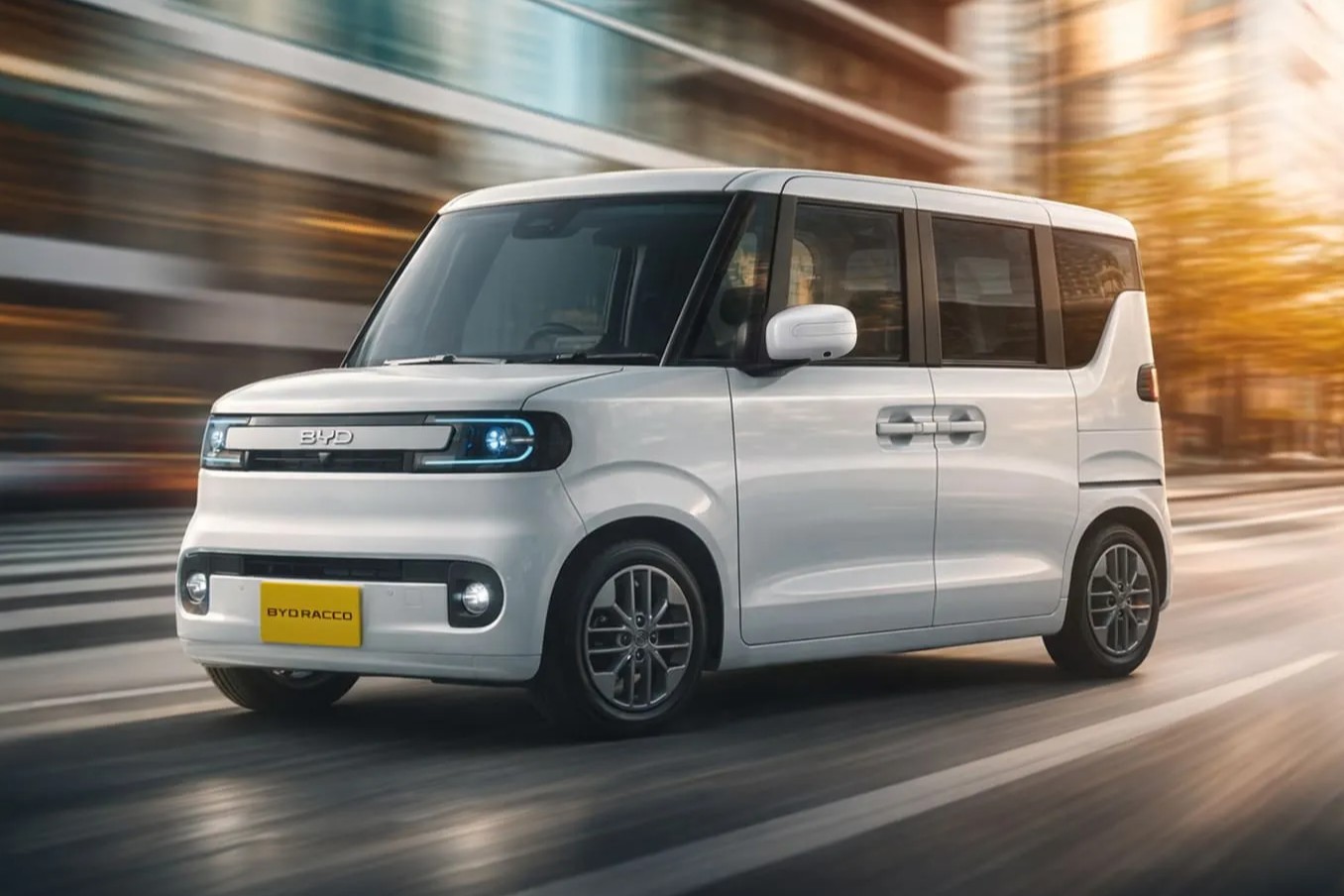
BYD began its push into this unique market with its first kei car, the Racco. Launched at the Japan Mobility Show in Tokyo last October, the model went on sale in July, and features a permanent magnet synchronous motor on the front axle with 47 kW, a battery capacity of 36 kWh, and a range of 320 km. The base price is 2,145,000 yen (approx. €11,500 euros).
BYD to use Racco as a technology donor for Europe
As Nikkei reports, BYD has decided to use the Racco and its technology as a blueprint for other global markets, including Europe. However, this will not be a direct 1:1 transfer of the Racco but rather one or more electric microcars that are larger and better suited to the European market.
Nevertheless, BYD is likely to ensure that such models do not exceed 4.20 metres in length, allowing them to fit into the European Union’s newly planned M1E vehicle category, which is set to receive special support in the future. However, BYD already has a 3.99-metre-long electric car on the European market, the Dolphin Surf, which falls into this category. Thus, models based on the kei car are likely to be positioned between the Racco and the Dolphin Surf.