in Life, Technology | September 1st, 2026 Leave a Comment
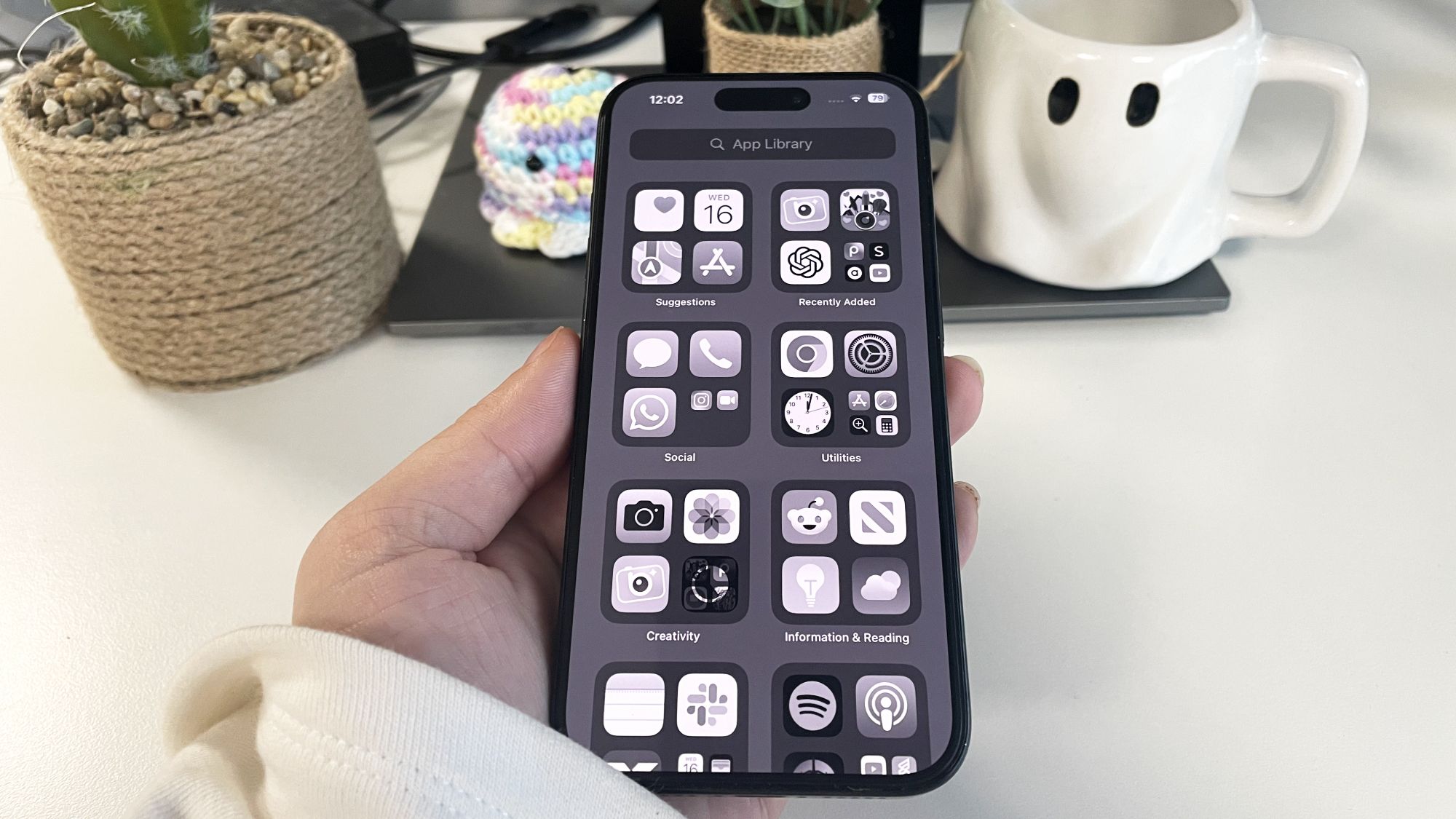
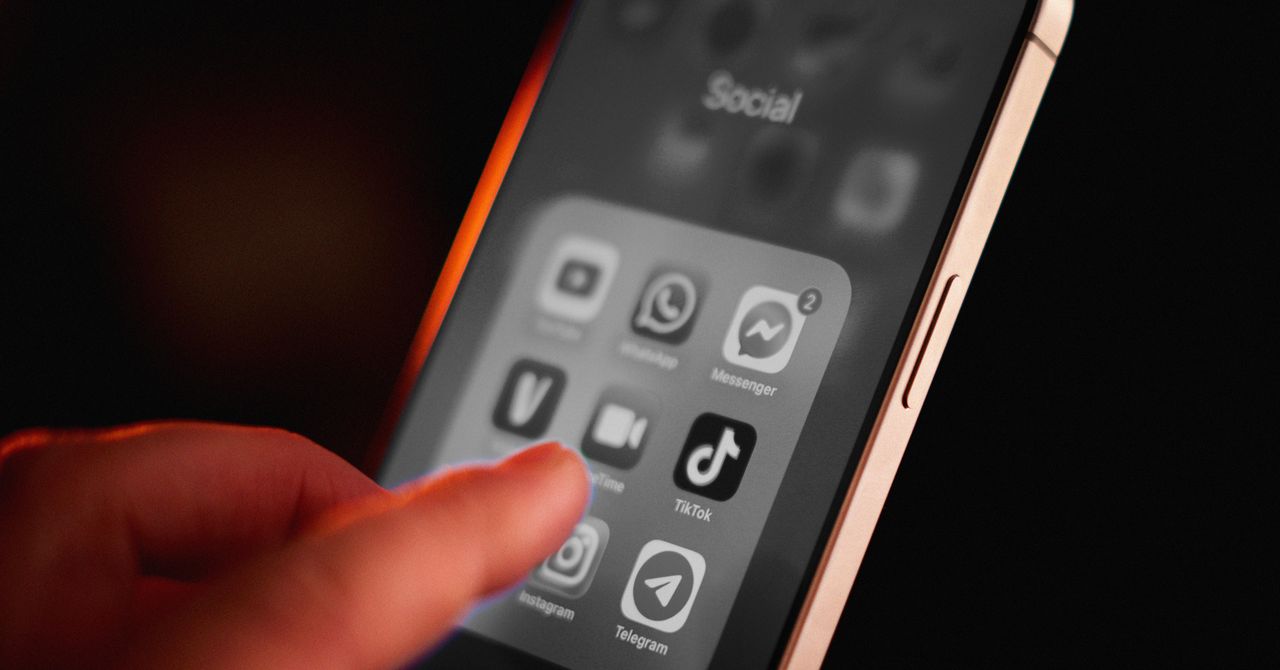
If you have an iPhone, try pushing its side button three times in a row. Just like magic, the screen should turn from color into black-and-white, or rather grayscale. (To do the same on an Android phone, you’ll have to dive into settings, then “accessibility,” “vision enhancements,” and “color correction.”) Why would you want that in the first place? As Harvard Kennedy School and Harvard Business School professor Arthur C. Brooks explains in the Big Think video above, “one of the ways that you can actually get less hooked by social media, or any screen-based technology, is by turning off the color.” When you get only black, white, and the shades of gray in between, “you will care less about your screen, and you will look at it less.”
This may ring true to those of us who remember purely monochromatic cellphones, and how little time we spent staring at them. But no matter your generation, Brooks has plenty of useful advice about how to break the dependency on your phone from which, as a twenty-first-century internet user, you almost certainly suffer.
“You notice when somebody is addicted to heroin, because it’s not that common for ordinary people,” he says. “You don’t notice when somebody’s addicted to their phone, because literally everybody is addicted to their phones.” Therefore, we could all benefit from turning off notifications, setting defined “tech times,” exercising without our devices, and going on multi-day meditation retreats — though we may have to work up to that last one.