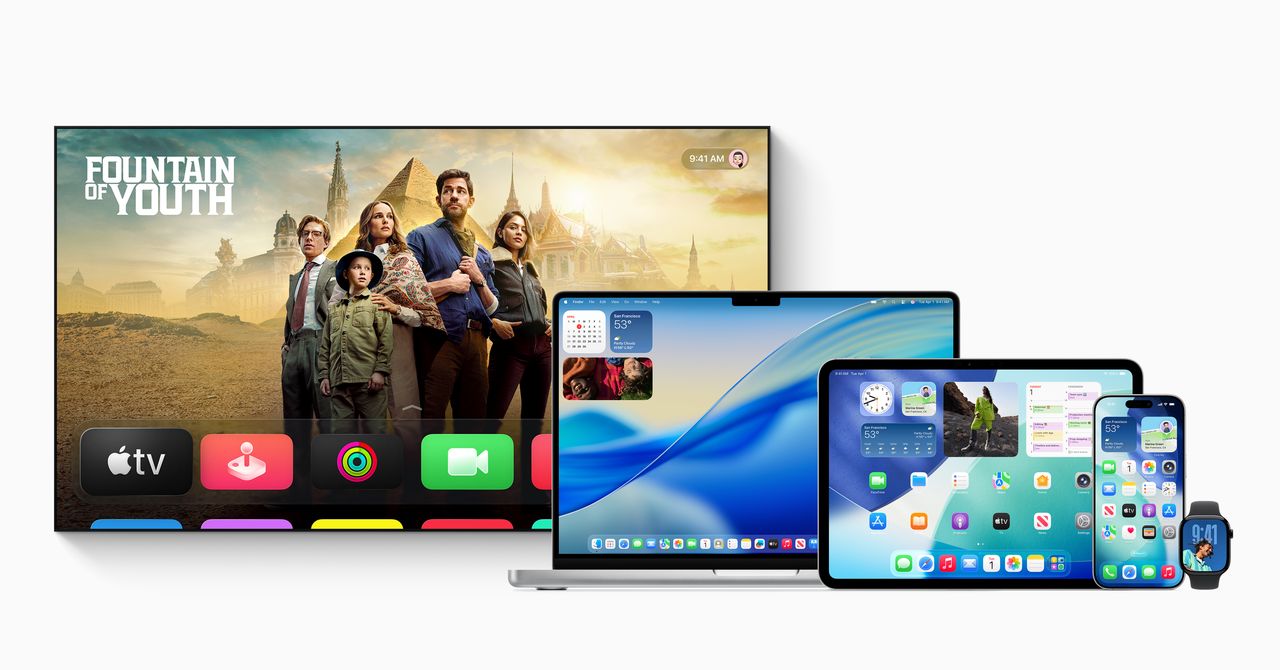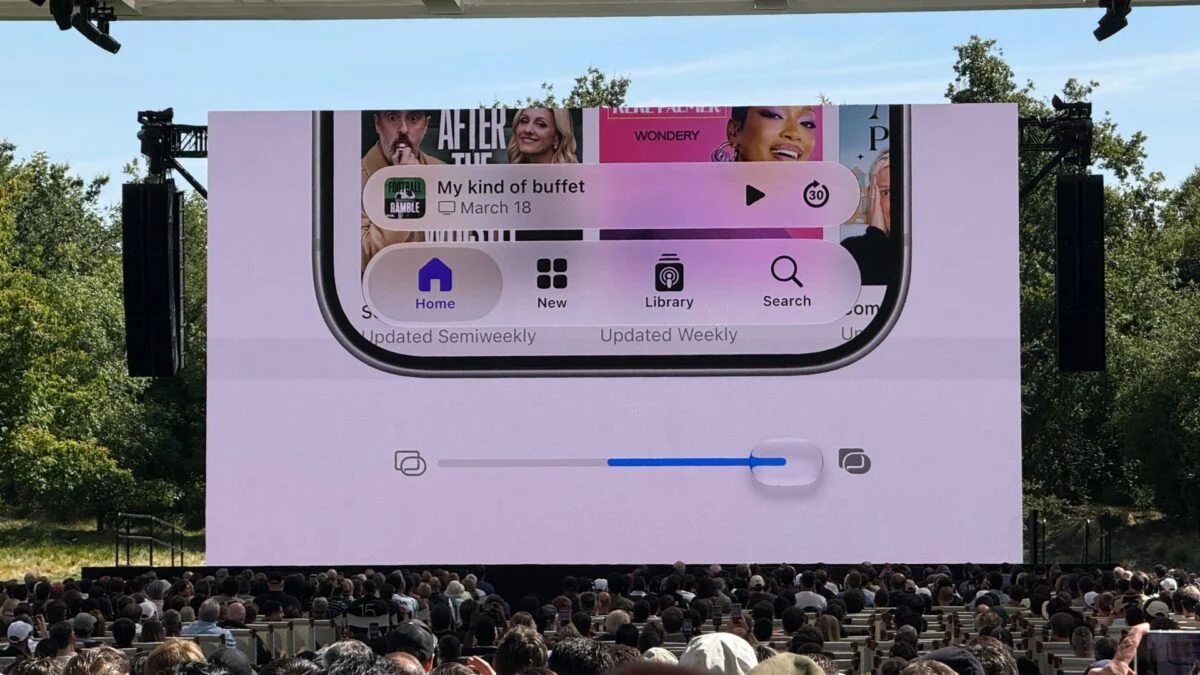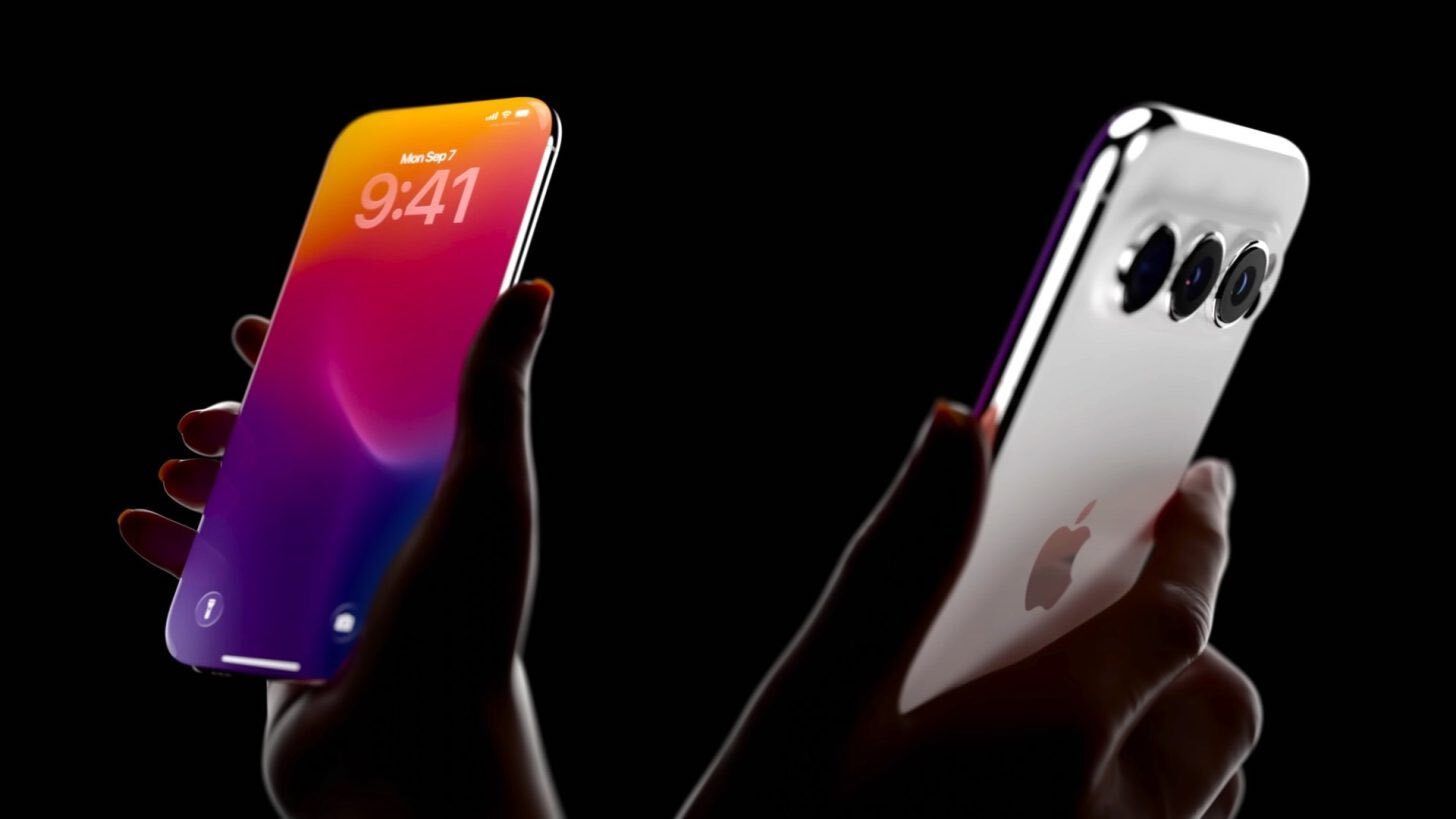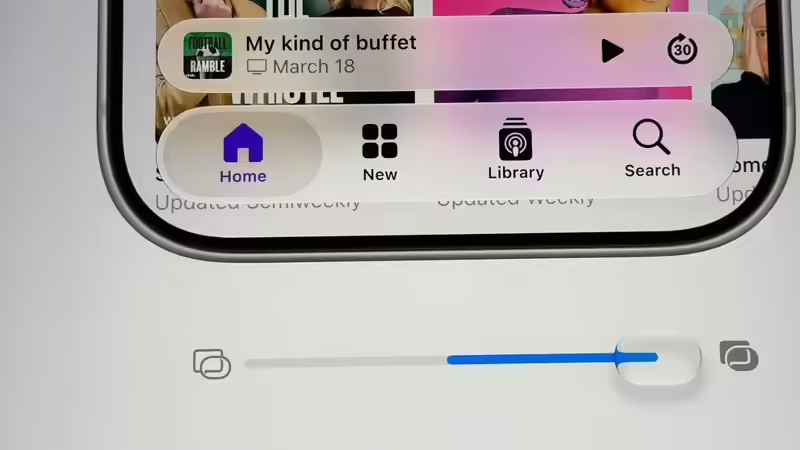
The newest iPhone operating system, iOS 26, might be the biggest update yet in a whole variety of ways, including a complete design and visual overhaul to make the entire interface feel as if you’re touching what Apple calls “Liquid Glass.” But among the many nifty features you’ll discover is an eye-catching feature that almost feels like a parlor trick: the ability to give any photo a 3D effect. In iOS 26, you can take almost any 2D photo you’ve captured with your phone and give it a 3D parallax effect, where it looks as if you can peek around the foreground of your image when you move your phone around. Apple calls it “Spatial Scenes.” It looks like a hologram, and it’s pretty cool.
This fall, you’ll likely find lots of family and friends experimenting with Spatial Scenes, especially since you can do it with almost any photo, on any recent iPhone (12 or later), and apply these 3D effects to your lock screen. But if you dig a bit beneath the surface of this update, you’ll see how this is a perfect example of how Apple envisions the iPhone as the gateway to a future where nearly every digital interaction is spatial and AR-friendly. AR, or augmented reality, is the underlying magic behind the company’s equally impressive and expensive Vision Pro headset, which lets you see and interact with digital elements in the real world.