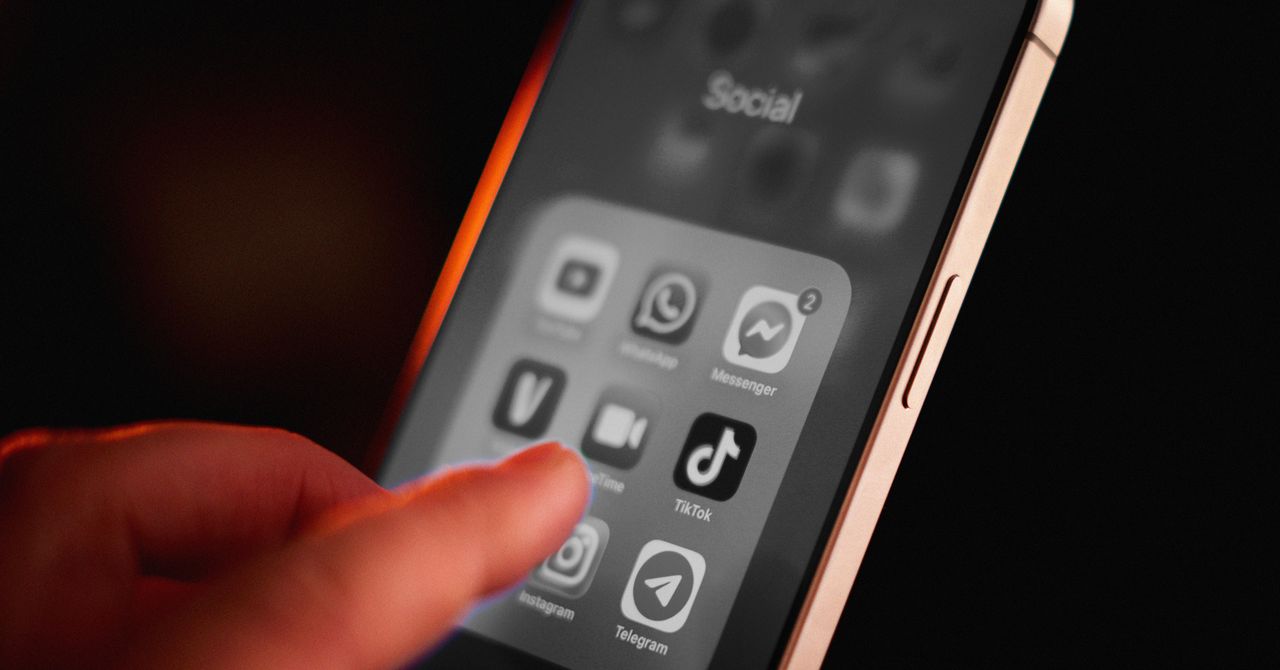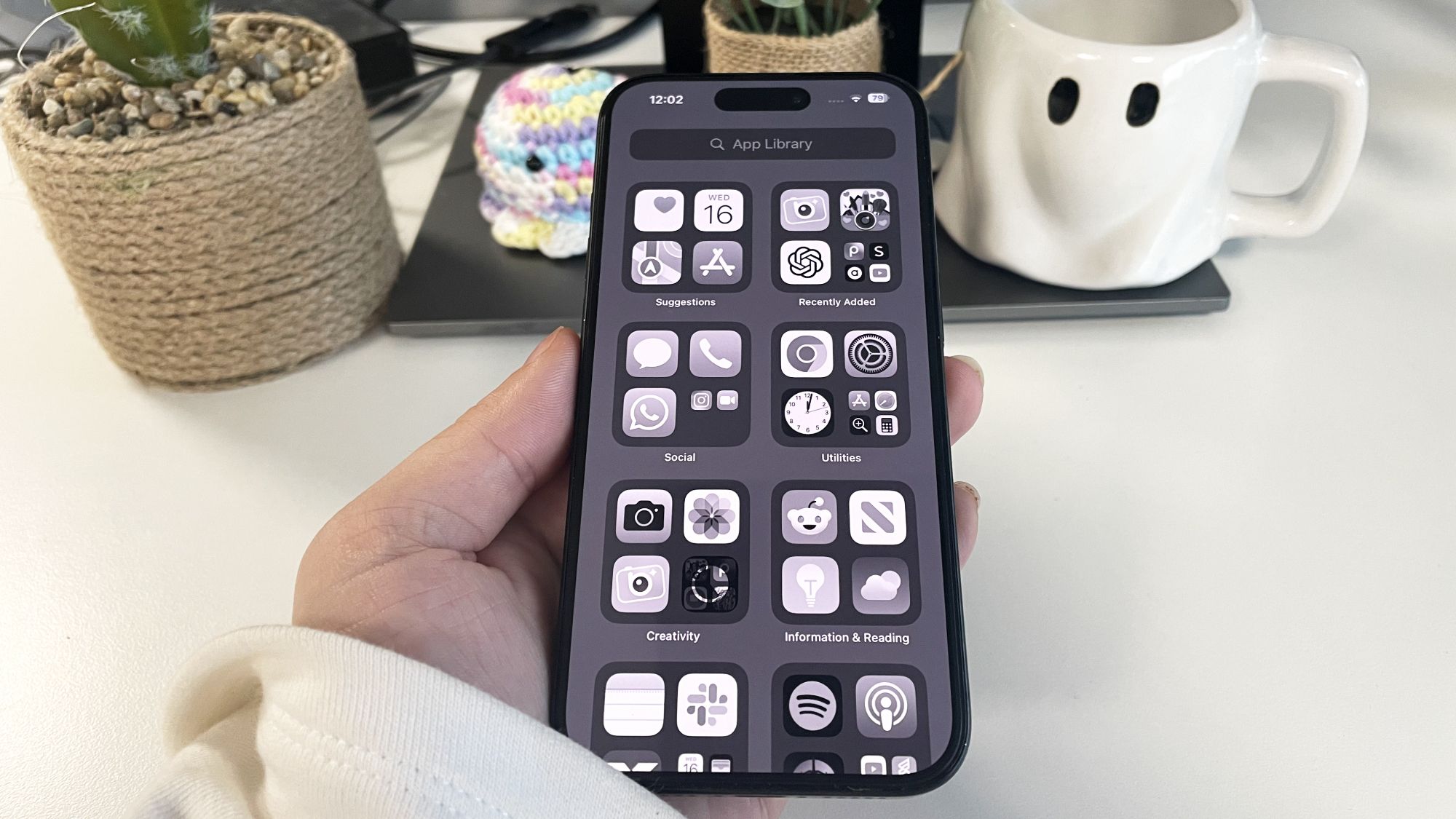
I thought turning my iPhone screen monochrome would be a straightforward, low-stakes experiment. A minor productivity tweak to trim maybe twenty minutes off my daily screen time. I was radically, foolishly wrong.What I expected to be a mild digital detox turned into two weeks of sensory deprivation, phantom-limb anxiety, and a genuine shock at how my brain relies on color, especially in the middle of summer.If you want to experience instant disorientation, and ultimately, a profound sense of digital freedom, flip your phone to grayscale on a blazing July afternoon. But consider yourself warned: the transition is an absolute shock to the system.Before you reach the quiet relief of a quieted mind, you have to survive the initial withdrawal of a world drained of its color.Summer cast in newsprint The first three days felt like a slow-motion collision between muscle memory and self-restraint, with my brain throwing a quiet, frantic temper tantrum every time my thumb touched the screen.Taking photos, in particular, degenerated into a bizarre act of blind faith. Standing on a packed pier, trying to capture the moment where the English coast looks like the Mediterranean, yielded nothing on my screen but a dull, slate gradient. It looked less like a seaside holiday and more like an archival photo of a Victorian industrial dock.Social media felt completely drained of its pull. We rarely notice how much platforms like Instagram rely on rich warmth and hyper-saturated color to trigger envy, hunger, or idle curiosity. In grayscale, the endless feed loses its hypnotic spell.Get instant access to breaking news, the hottest reviews, great deals and helpful tips.I'd open an app purely out of habit, stare at a flat gray wall of content for three seconds, realize my brain wasn't getting the cheap reward it wanted, and close it. Then I'd do it again two minutes later.They say insanity is doing the same thing over and over expecting a different result, and grayscale definitely caught me red-handed.The day 7 shift
I turned my iPhone screen completely gray for two weeks
I set my iPhone to grayscale for two weeks to break my phone addiction. Here is what happened, the rules to survive the switch, and why the habit stuck.
1,159 words~5 min read