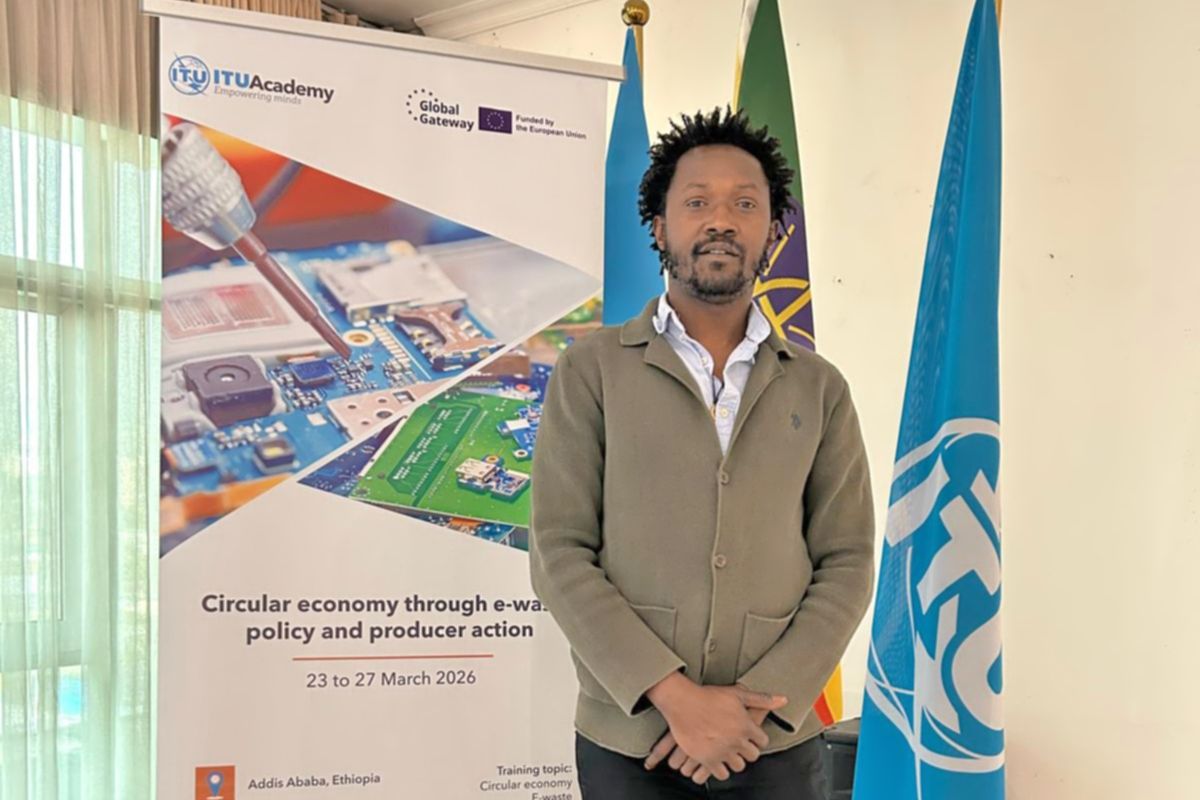
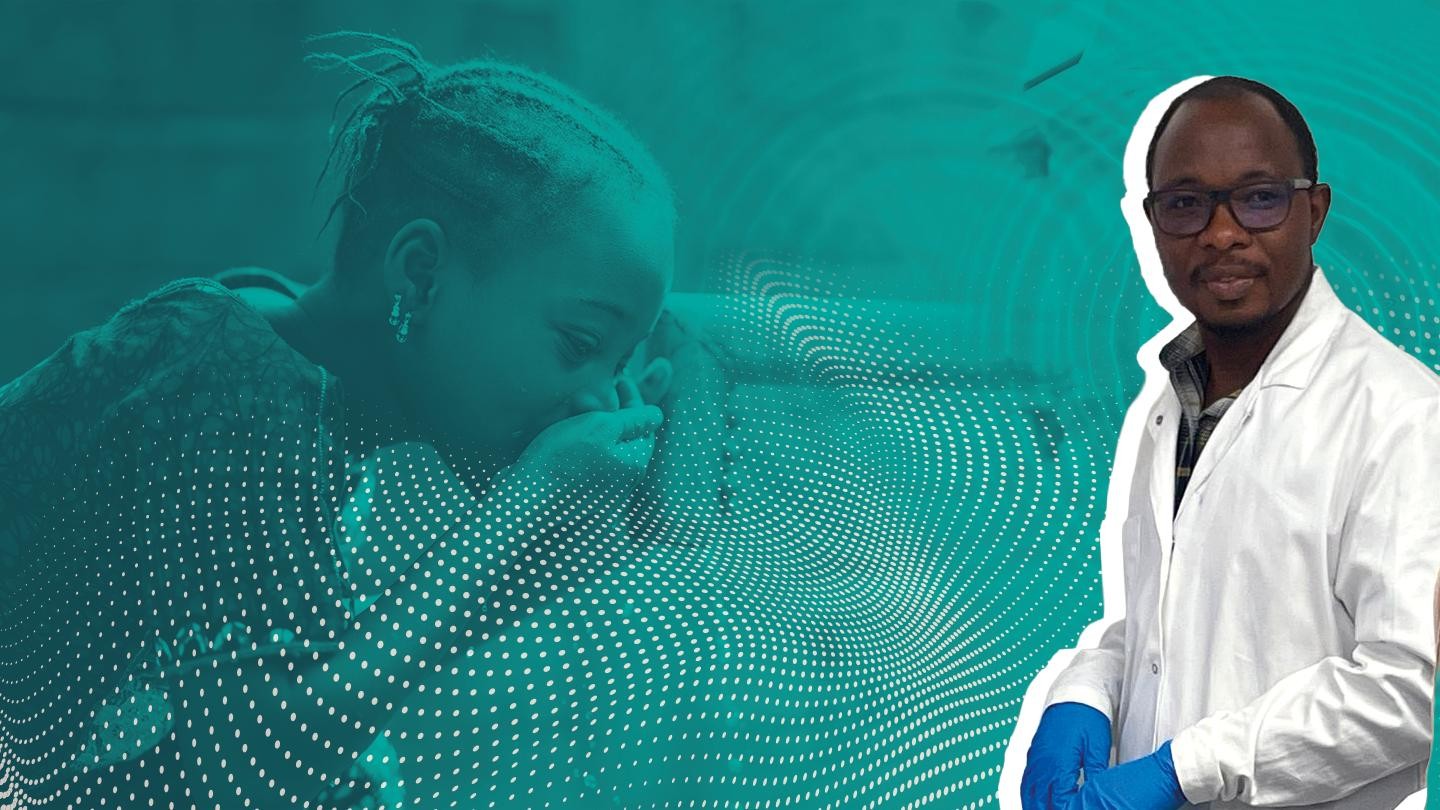
Joseph Jjagwe, a member of the 1st cohort of the ‘100 PhDs for Africa’ programme, published a new article in August. His research explores an innovative solution for removing lead and cadmium from drinking water by recycling industrial and agricultural waste.In many regions, the contamination of drinking water by heavy metals such as lead (Pb) and cadmium (Cd) poses a major public health challenge, even at very low concentrations. In his recent publication, Joseph Jjagwe proposes an approach based on the circular economy: transforming two locally available waste streams — iron oxide residues from the steel industry and rice husks — into a material capable of capturing these contaminants present in water.The results obtained are particularly promising. The nanocomposite developed removes more than 95 per cent of lead and nearly 94 per cent of cadmium under optimal laboratory conditions. Thanks to its magnetic properties, the material can also be easily recovered after treatment. Furthermore, it retains more than 80 per cent of its adsorption capacity after five regeneration cycles, opening up interesting prospects for sustainable and potentially affordable use.Tested on four real-world drinking water sources in Uganda, the solution met the World Health Organisation’s guidelines for lead in three out of four cases and for cadmium where applicable. This research thus illustrates how scientific expertise can help address concrete challenges in Africa, drawing on local resources and realities. It also demonstrates the ambition of the 100 PhDs for Africa initiative: to support a new generation of African researchers capable of generating knowledge and developing high-impact solutions for the continent.Funding100 PhDs for Africa is a programme stemming from the “Excellence in Africa” initiative developed by UM6P and the EXAF Centre (EPFL).
Waste transformed into a solution for drinking water
Joseph Jjagwe, a member of the 1st cohort of the ‘100 PhDs for Africa’ programme, published a new article in August. His research explores an innovative solution for removing lead and cadmium from drinking water by recycling industrial and agricultural waste.
280 words~1 min read