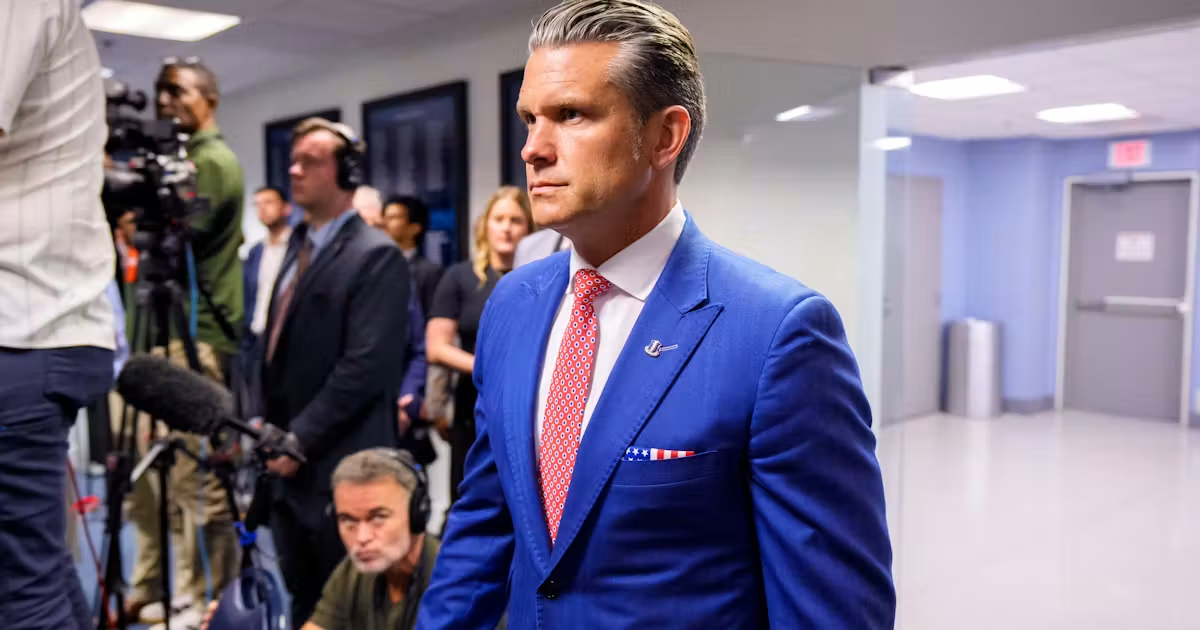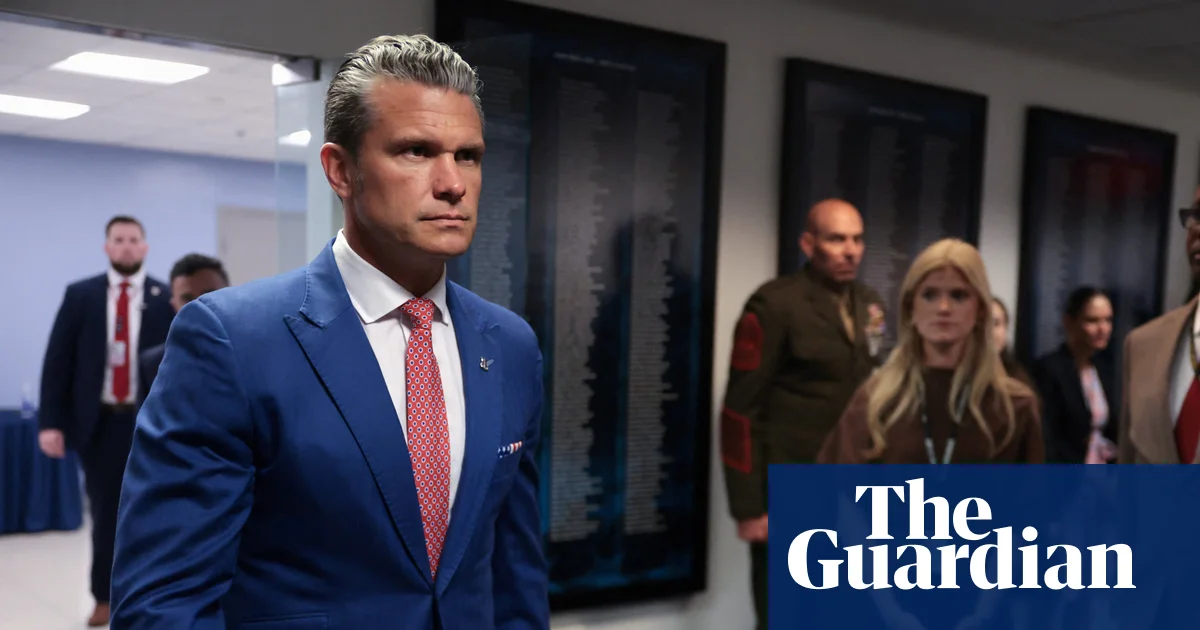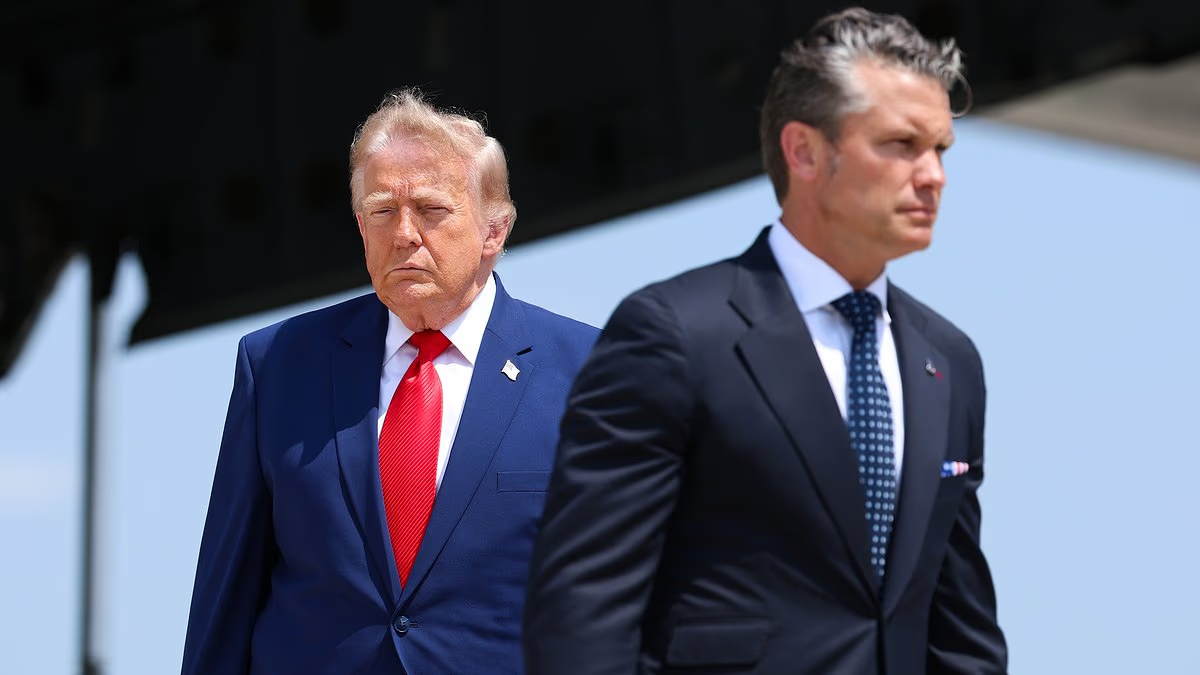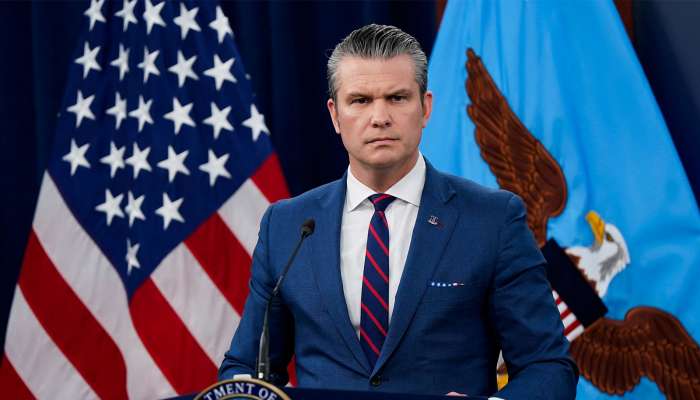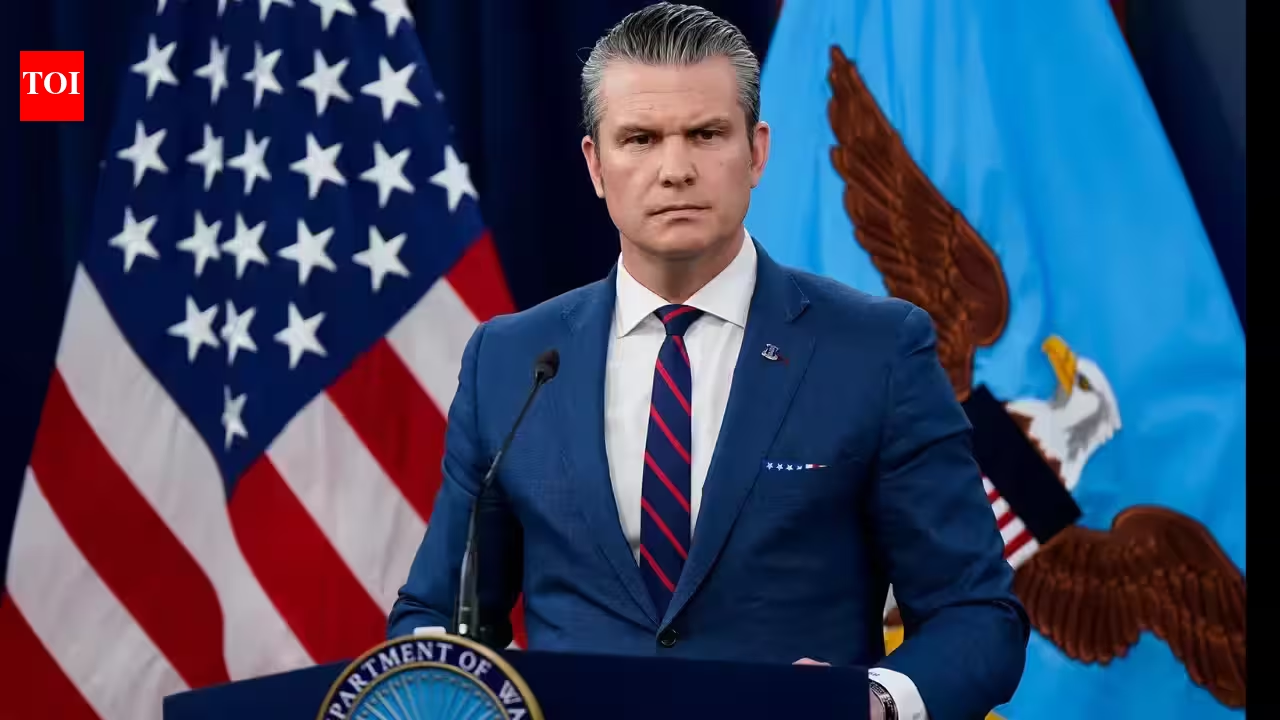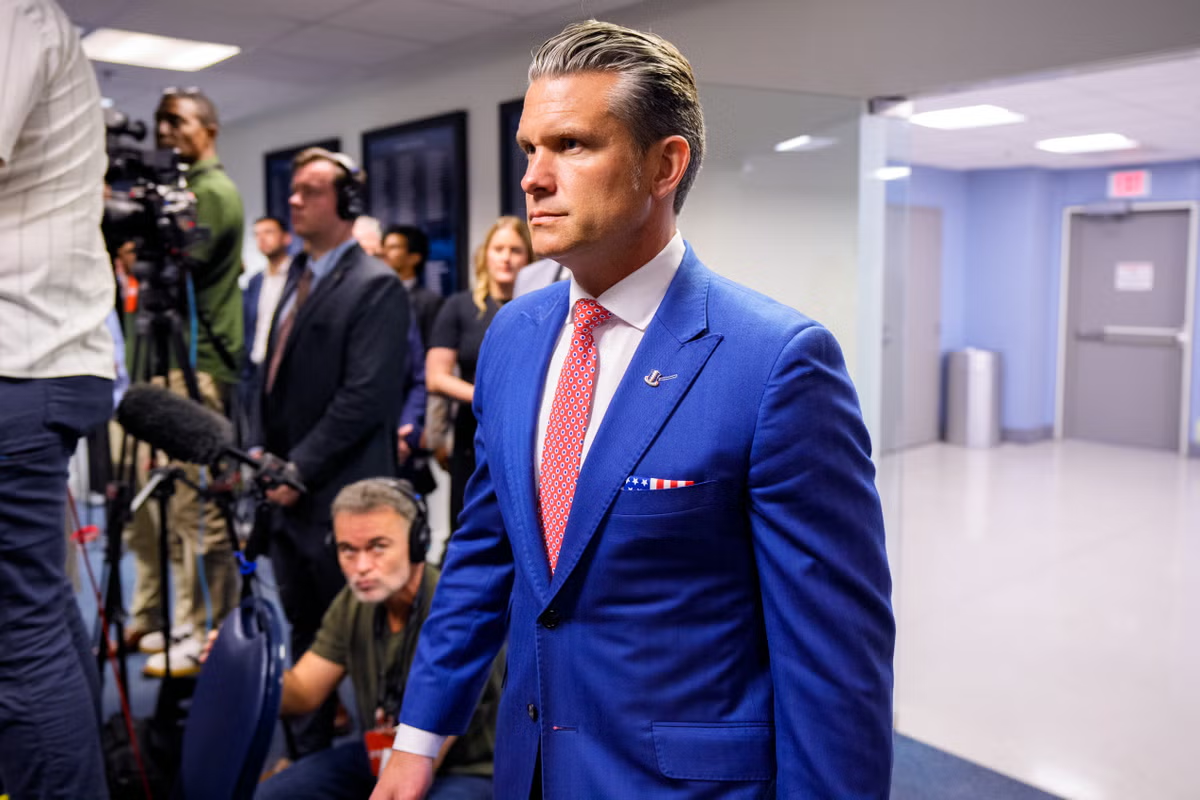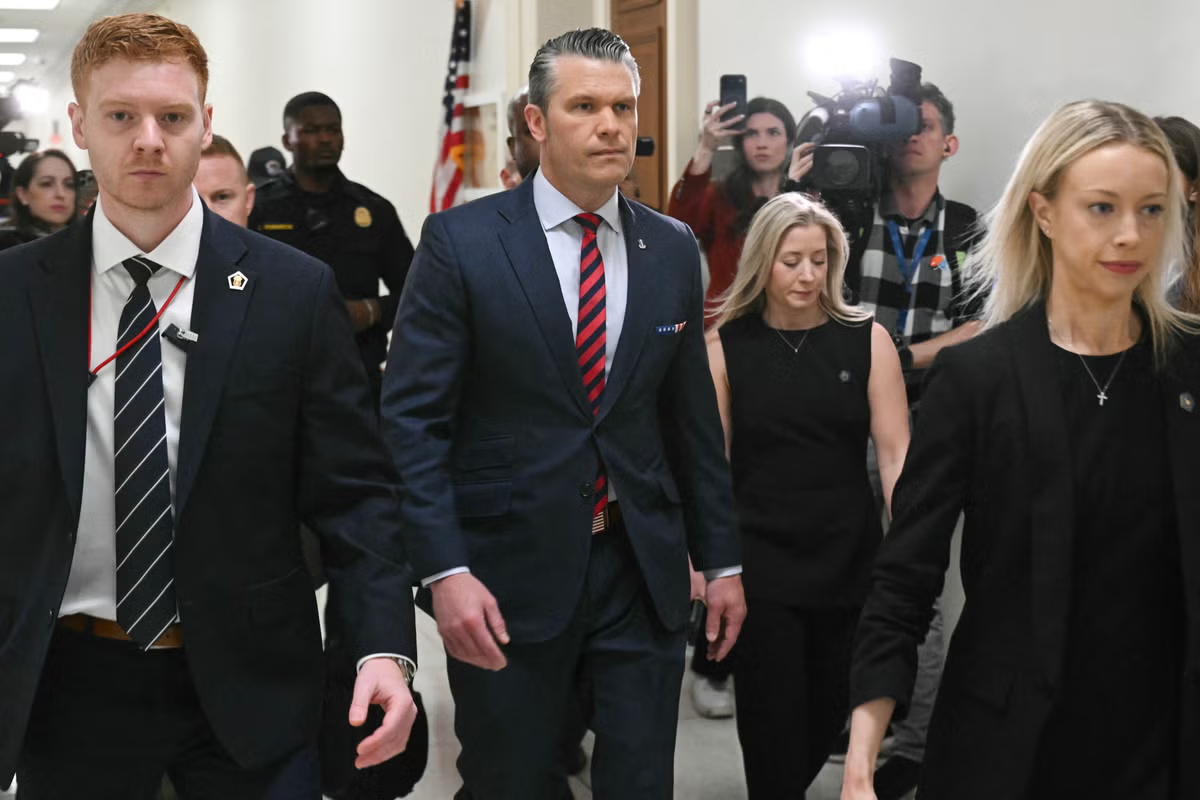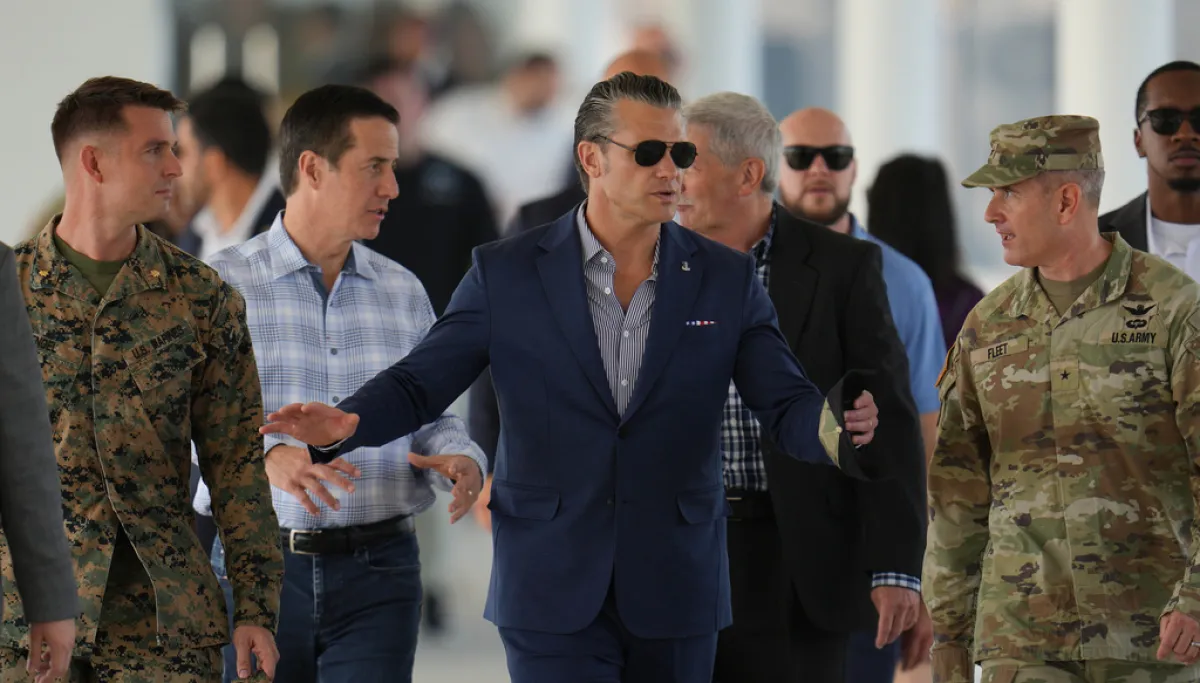
The Pentagon has pushed back publicly on reporting from over the weekend that multiple senior military leaders have advised War Secretary Pete Hegseth about the risks that would come with further prolonging the Iran war.These warnings from the heads of the Army, Navy, Air Force, and multiple four-star combatant commanders appeared inside the Aug. 14 edition of his Secretary of Defense Orders Book, according to the Washington Post. The SDOB is typically a bimonthly report that outlines the availability worldwide of U.S. military resources.The heads of U.S. European Command, U.S. Pacific Command, and U.S. Southern Command, along with the top Navy admiral, all gave a “non-concur” response to the outlined plan of keeping some troops deployed in the Middle East through September and others until next year. The response indicates they disagree with the order but will execute it anyway.
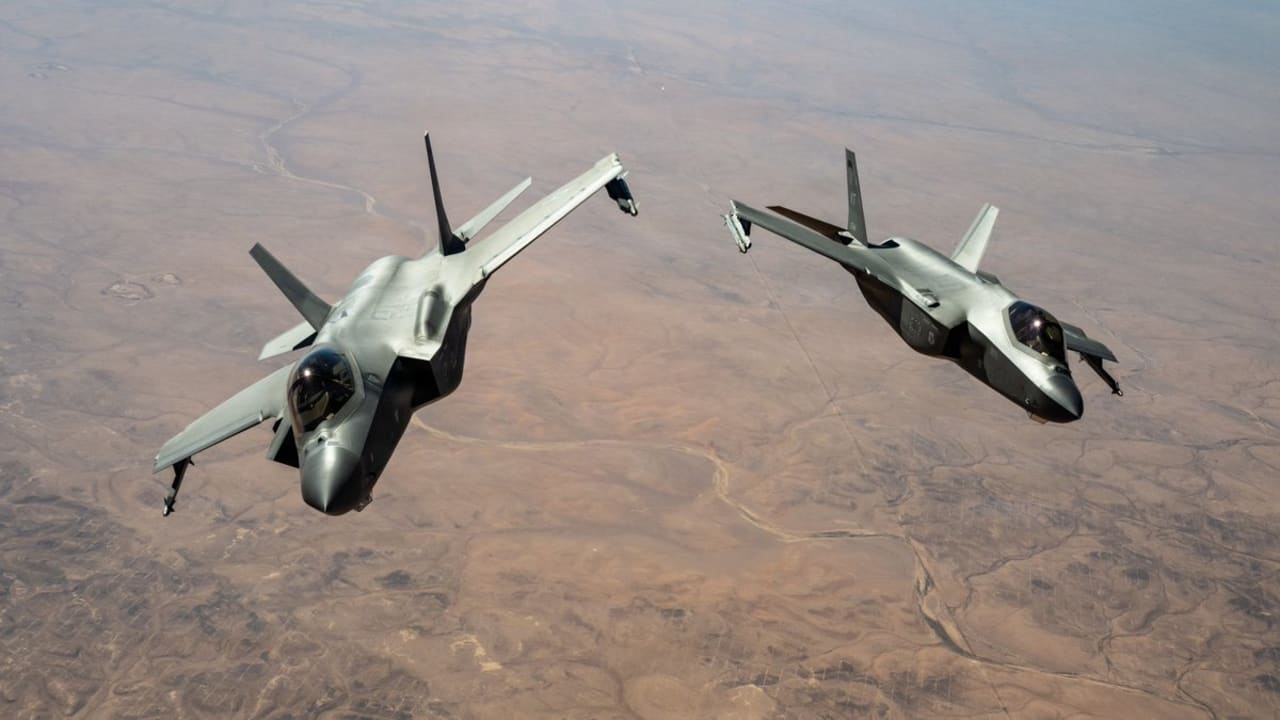
The military has pulled resources from those areas and deployed them to the Middle East for the war.Chief Pentagon spokesman Sean Parnell said that “much of what they’re publishing is inaccurate,” that non-concurs “are standard,” and that the secretary “sees them constantly.” He also claimed that “publishing highly classified assessments from the secretary’s order book is a crime,” though his comments are not aligned with the 1971 Supreme Court ruling in the Pentagon Papers case.THE DEPARTMENT OF WAR TARGETS THE FIRST AMENDMENT (AGAIN)“We are in great shape around the world,” Parnell said. “This story isn’t about readiness. It’s [Trump derangement syndrome] and [Pete derangement syndrome] — they hate President Trump and Secretary Hegseth more than they love America.”The U.S. military carried out limited strikes on Sunday for the first time in weeks. U.S. Central Command said it targeted Islamic Revolutionary Guard Corps minelaying forces that allegedly posed an imminent threat in the Strait of Hormuz. On Monday morning, President Donald Trump told Fox News, “We’re going to hit them hard. There will be a response.”The Navy has largely taken the brunt of the cost of the war, which has gone on for six months now. The continuation of the war, even without the bombing campaign, is still taxing the U.S. military presence in the region, which is approximately 50,000 strong.The USS Gerald Ford, the largest aircraft carrier in the world, broke the record earlier this year for the longest naval deployment since the end of the Vietnam War. The Ford was deployed in the SOUTHCOM area in the lead up to and during the raid against dictator Nicolas Maduro in Venezuela in January and was then in the Middle East for the start of the Iran war. More recently, the USS Abraham Lincoln, which is nearing the Ford’s record, is on its way back after a very difficult deployment in which they were a major part of U.S. combat operations against Iran.“I typically am not a big fan of extensions, and I push back hard on that, but the enemy gets a vote,” Adm. Daryl Caudle, the chief of Naval Operations, said during a recent event in Norfolk, Virginia, adding that extensions are “very challenging for our sailors.”The Pentagon has also expended significant numbers of U.S. offensive and defensive capabilities, which the department is working to replace through new agreements, though those could take years to implement and get them to warfighters on the front lines.Under Hegseth, the department has taken significant steps to try to reduce leaks from within the building. The implementation of policies ultimately resulted in nearly all credentialed Pentagon reporters, including from the Washington Examiner, handing in their credentials instead of agreeing to their conditions to maintain their reduced access inside the Pentagon.Several military commentators who are aligned with Hegseth’s vision for the department quickly criticized the Washington Post for publishing insights into the SDOB report, some of whom have quietly been on the department’s payroll, the outlet also reported over the weekend.The new reporting about their role within the department, which had previously been unreported, sheds new light on their commentary, which is largely aligned with Hegseth’s own viewpoints on the press, diversity and inclusion initiatives, and more.SIX-MONTH IRAN WAR PUTS PRESSURE ON THE PENTAGON’S PROCUREMENT TRANSFORMATION TO MEET THE ‘1939 MOMENT’The subject of former military members with big online followings has been in the news since another one of these influencers, Jennica Pounds, who goes by the pseudonym DataRepublican, accused Sarah Rogers, the undersecretary of state for public diplomacy, of trying to entrap her into publishing classified information, when in actuality, Rogers tried to give her information to publish as a journalist scoop.Since being sworn in to lead the Pentagon, Hegseth has attempted to shape reporting about it. The department imposed new restrictions on credentialed Pentagon reporters that ultimately resulted in nearly all of them handing back their credentials in response. He has fired staffers who were blamed for leaks to the media during his tenure as well.