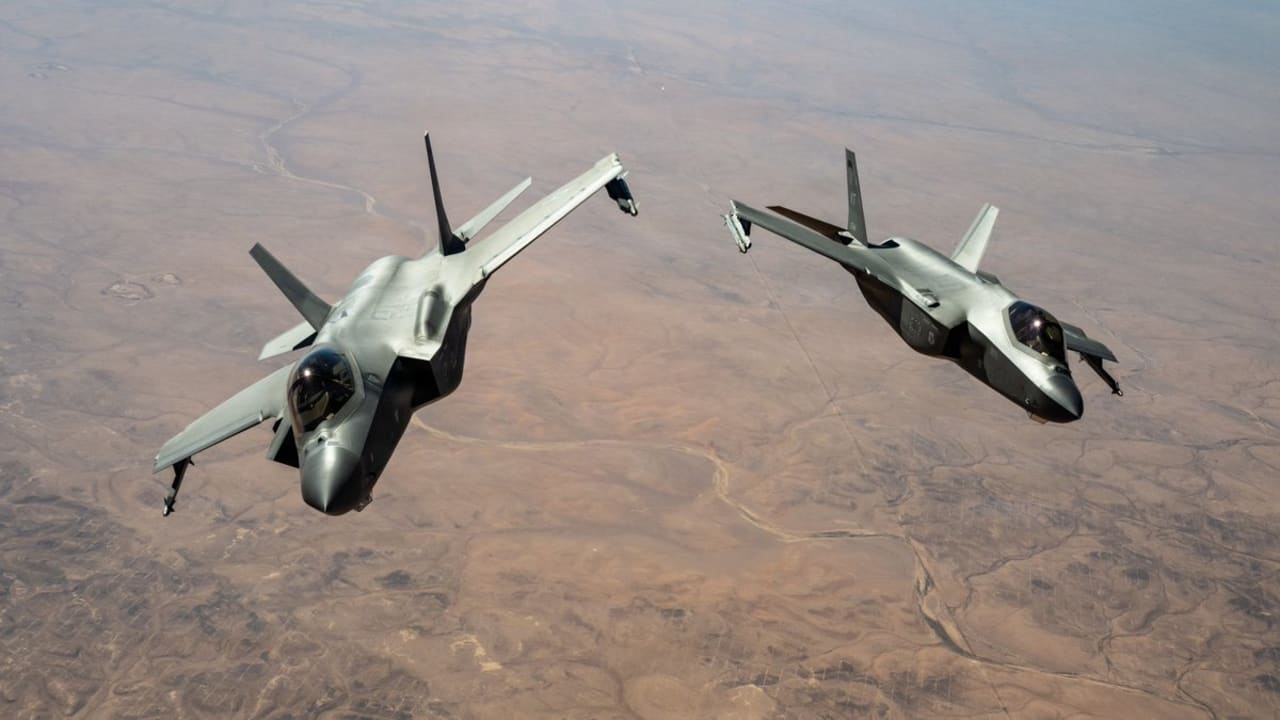
When the U.S. launched Operation Epic Fury on March 2, 2026, the mission came with an internal warning label. Senior military leaders, including Joint Chiefs of Staff Chairman Gen. Dan Caine, advised Defense Secretary Pete Hegseth that turning a targeted strike campaign into a prolonged war risked consequences that would stretch far beyond the Middle East.
A classified Pentagon assessment concluded that large-scale, sustained operations against Iran threatened to weaken U.S. military readiness globally, raising particular alarm about America’s ability to respond to a potential conflict with China.
What the Pentagon told Hegseth
Gen. Caine’s warnings centered on three specific vulnerabilities: U.S. and allied casualties, the rapid depletion of air-defense munitions, and the broader degradation of global force posture.
On the munitions question, the concern was concrete. Pentagon assessments indicated that stocks of critical air-defense interceptors were sufficient to sustain roughly two weeks of high-intensity combat, a remarkably thin margin for a conflict with no defined end date.