The SKA Project: Just the latest chapter in a story thousands of years old
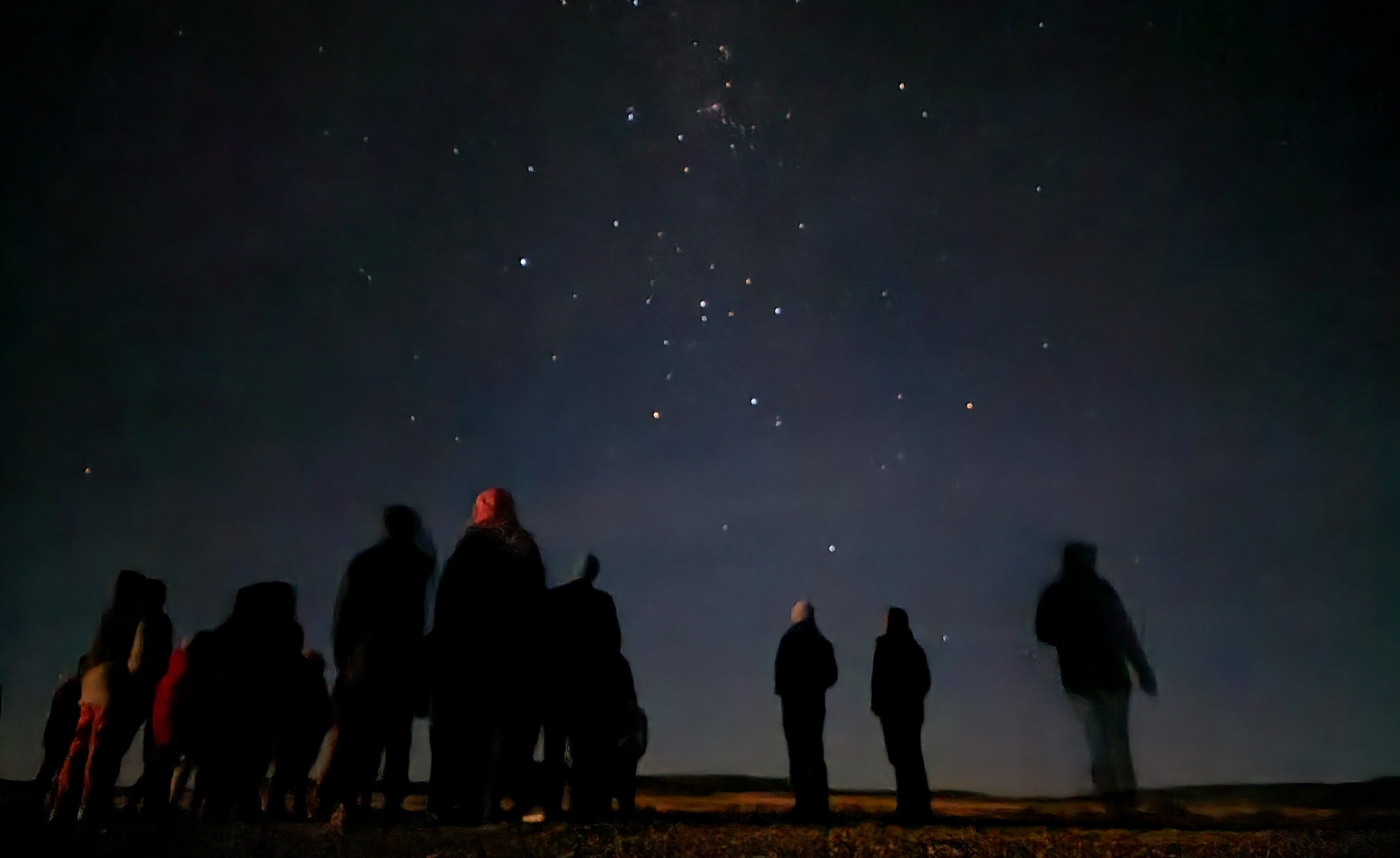
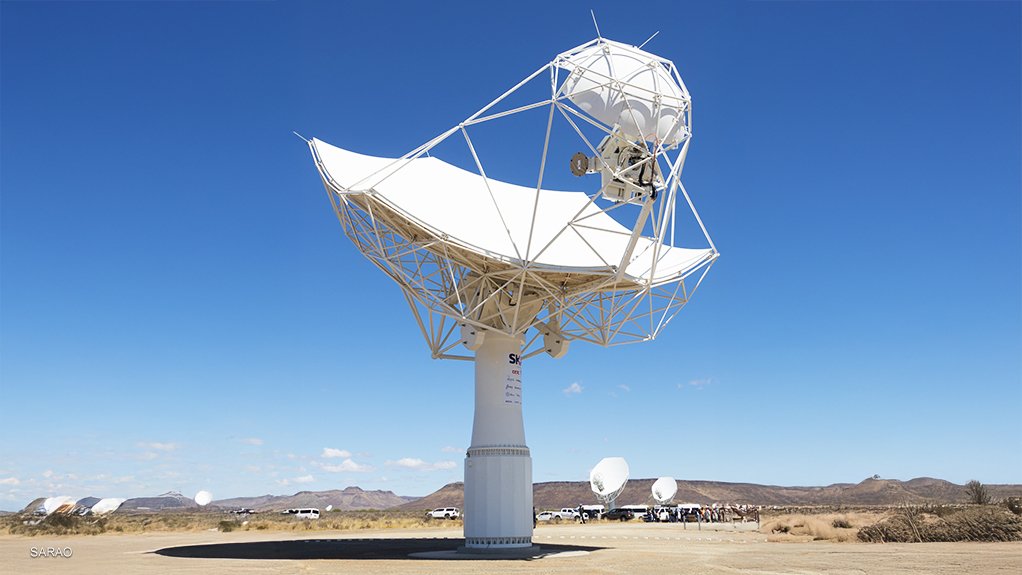
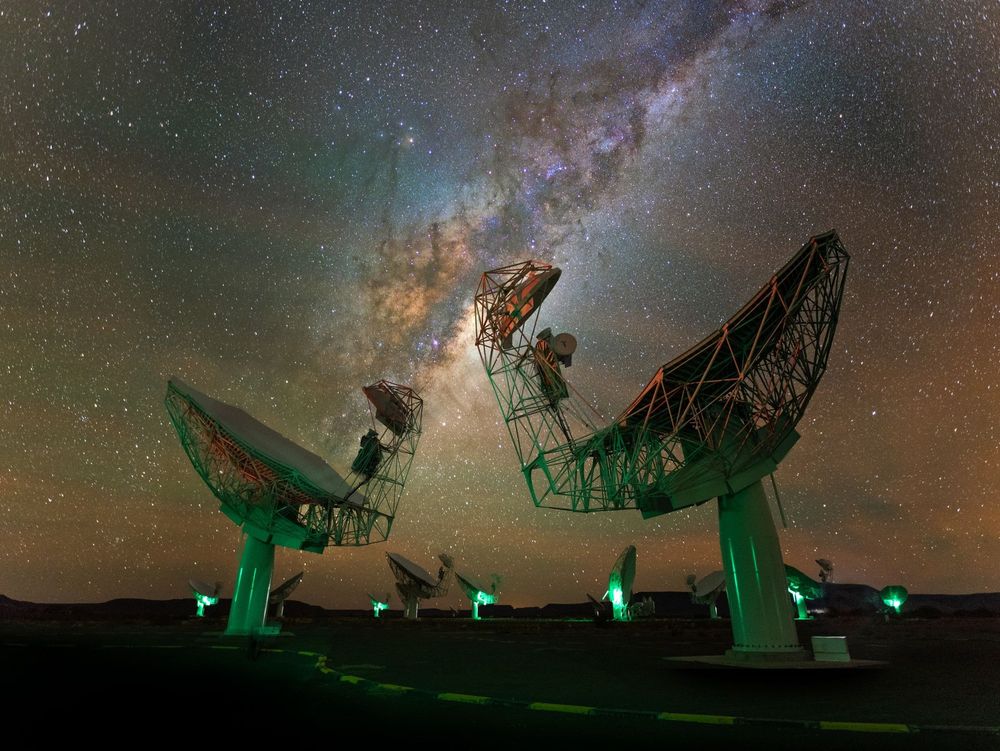
Humans have been observing the sky for thousands of years. Our ancestors were undoubtedly fascinated by it, but observing the heavens also had practical uses: it helped people measure time, both over the course of the day and through the changing seasons, and became especially important with the spread of agriculture. What we now see as scientific frontiers, such as cosmology and astrophysics, are in fact only the latest chapter in an evolving history of observing and interpreting the sky. This is one of the points to emerge from a recent practice insight published in the Journal of Science Communication (JCOM). In the study, South African researcher Anton Binneman reflects on around ten years of meetings with elders and knowledge holders from Indigenous communities descended from the San. The work developed in the context of the construction of MeerKAT and the development of SKA-Mid, two telescopes in the South African Karoo, and as part of the environmental and social impact assessment required for these projects. The research highlights that Indigenous and traditional knowledge is not frozen in time, as is sometimes wrongly assumed, but continuously incorporates elements of the contemporary world, including scientific research.
Humans have been observing the sky for thousands of years. Our ancestors were undoubtedly fascinated by it, but observing the heavens also had practical uses: it helped people measure time, both over the course of the day and through the changing seasons, and became especially important with the spread of agriculture. What we now see as scientific frontiers, such as cosmology and astrophysics, are in fact only the latest chapter in an evolving history of observing and interpreting the sky. This is one of the points to emerge from a recent practice insight published in the Journal of Science Communication (JCOM). In the study, South African researcher Anton Binneman reflects on around ten years of meetings with elders and knowledge holders from Indigenous communities descended from the San. The work developed in the context of the construction of MeerKAT and the development of SKA-Mid, two telescopes in the South African Karoo, and as part of the environmental and social impact assessment required for these projects. The research highlights that Indigenous and traditional knowledge is not frozen in time, as is sometimes wrongly assumed, but continuously incorporates elements of the contemporary world, including scientific research.