How AI Helps Us Explore the Universe
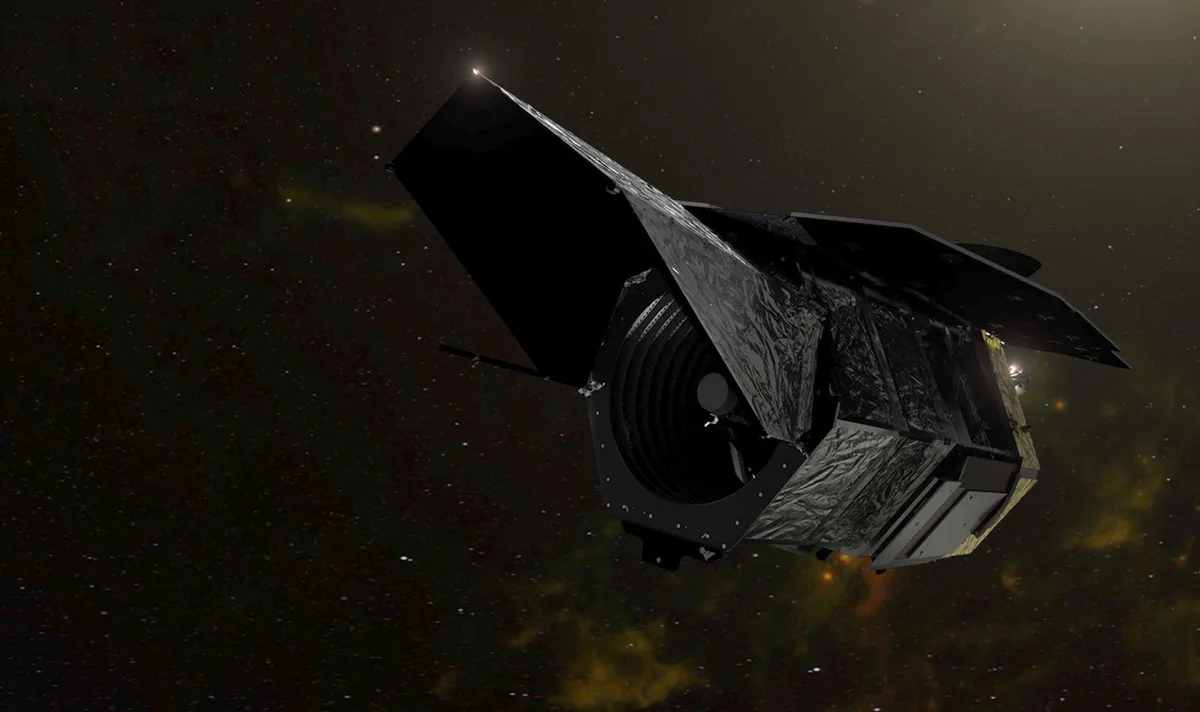
Modern telescopes and space missions generate more data in a single night than a team of human astronomers could review in a lifetime. The Vera C. Rubin Observatory in Chile, for instance, is expected to produce up to seven million alerts every night once it reaches full operational cadence, each one flagging something in the sky that changed since the last image. No group of humans can look at that stream and make sense of it in real time. Machine learning can, and increasingly does.
This is the quiet story behind most recent breakthroughs in astronomy: it is not just bigger telescopes, but bigger telescopes paired with models that can filter, classify, reconstruct, and predict faster than any manual pipeline. Here is a tour of where AI is actually doing that work, and why it matters to anyone who writes code.
The Data Problem Comes First
Space science has quietly become a big data problem. The Rubin Observatory's ten-year Legacy Survey of Space and Time will produce roughly 60 petabytes of raw imagery and catalog around 20 billion galaxies and a similar number of stars. Every image the telescope takes is compared, pixel by pixel, against previous images of the same patch of sky, and any meaningful difference (a moving asteroid, a brightening supernova, a flaring galactic nucleus) triggers an alert within about two minutes of the exposure being taken.