This Spring Astronomy Day, here’s a look at how AI and GPUs are helping astronomers work through unprecedented volumes of cosmic data.
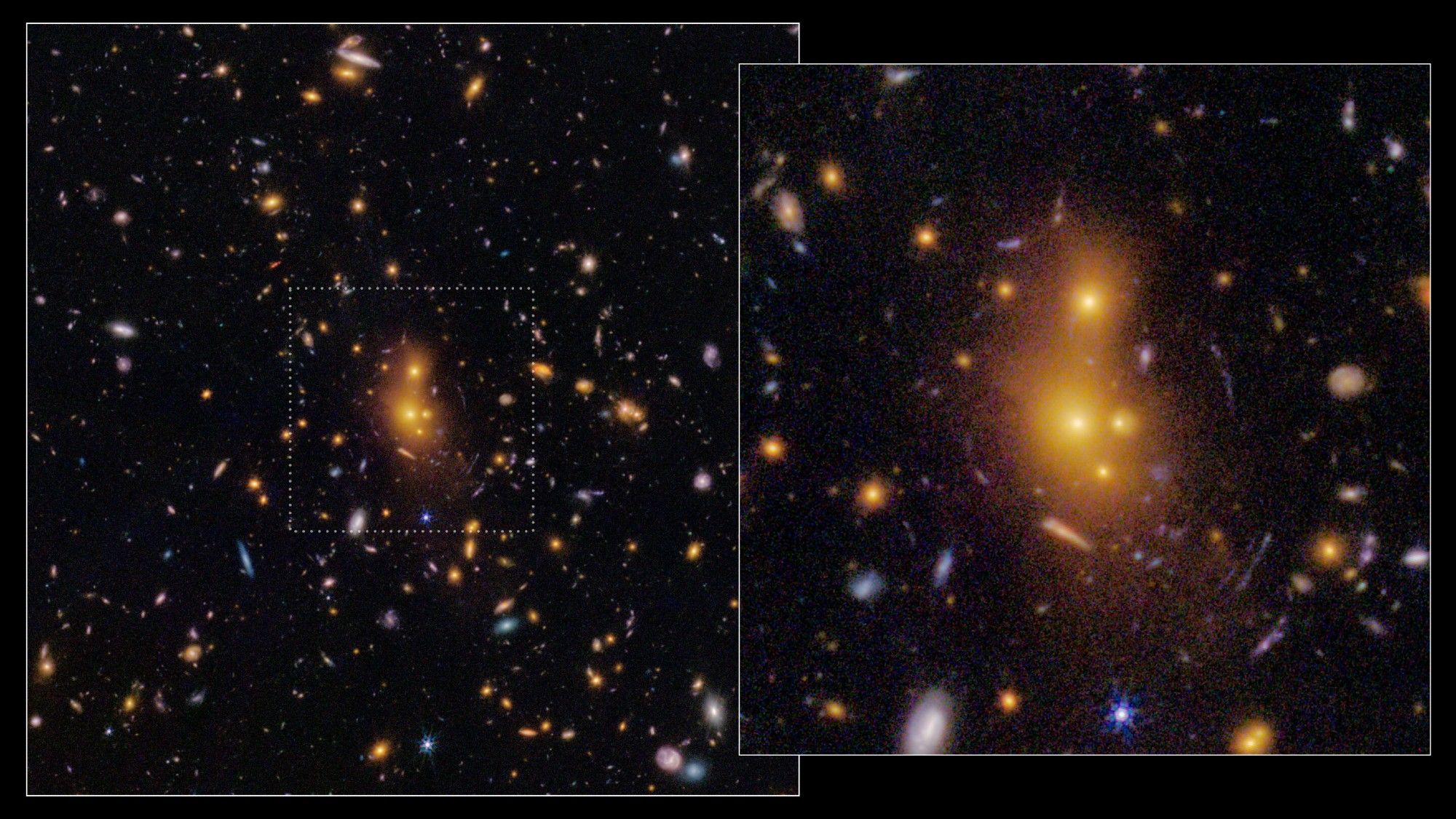
There are more galaxies in the universe than anyone ever expected. Unfortunately, they all showed up at once.
When the first images from the James Webb Space Telescope (JWST) began returning data in 2022, Brant Robertson and his colleagues did what astronomers have always done: They stared at the sky and tried to understand what they were seeing. This time, the sky arrived as terabytes.
“There were galaxies everywhere,” Robertson recalled. “So many, and so far away, that we were genuinely shocked.”
Robertson is a professor of astronomy and astrophysics at the University of California, Santa Cruz, where he leads a team studying how the earliest galaxies formed after the Big Bang.