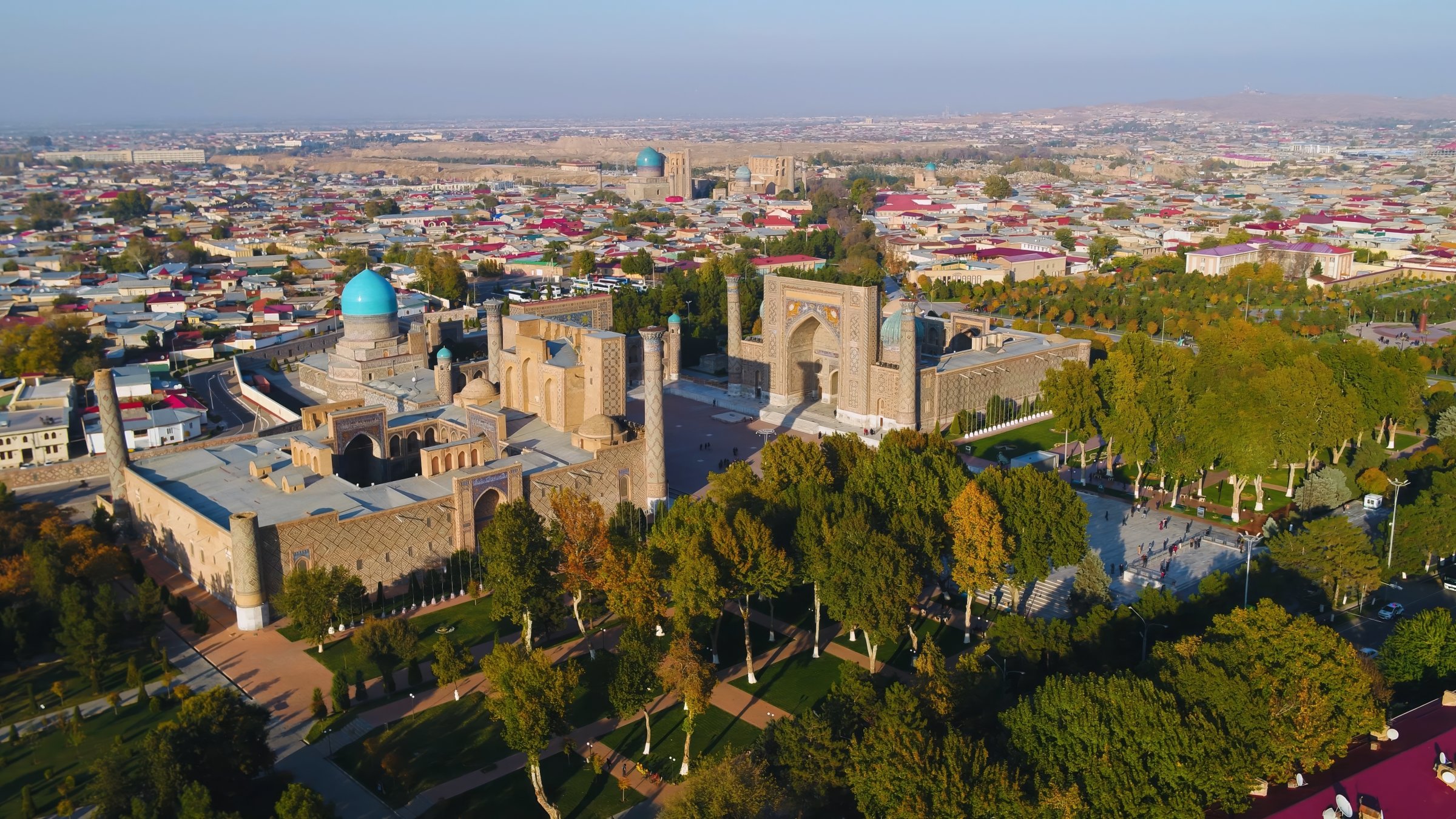
Astronomy occupies a distinctive place in the intellectual tradition of the Islamic world. In particular, the historic mathematics and astronomy schools of Maragha and Samarkand played a pivotal role in the development of Islamic thought. During this period, significant transformations occurred in the way the relationship between astronomy and metaphysics was understood. At the same time, astronomy had acquired such a strong institutional foundation and intellectual authority within the Islamic scholarly tradition that it could no longer be ignored. Consequently, although theologians objected to the metaphysical interpretations advanced by astronomers, they could not reject the computational power and practical utility of astronomy altogether.
In other words, regardless of whether astronomy was regarded as a discipline capable of making ontological claims about reality, it was increasingly acknowledged as a mathematical science that successfully described and predicted celestial phenomena. Therefore, understanding the various approaches developed to define the relationship between astronomy, physics and metaphysics, as well as tracing how these approaches evolved over time, is of considerable importance. In this column, these intellectual approaches and the major turning points in their development will be examined on the basis of F. Jamil Ragep's article, "Freeing Astronomy from Philosophy: An Aspect of Islamic Influence on Science."