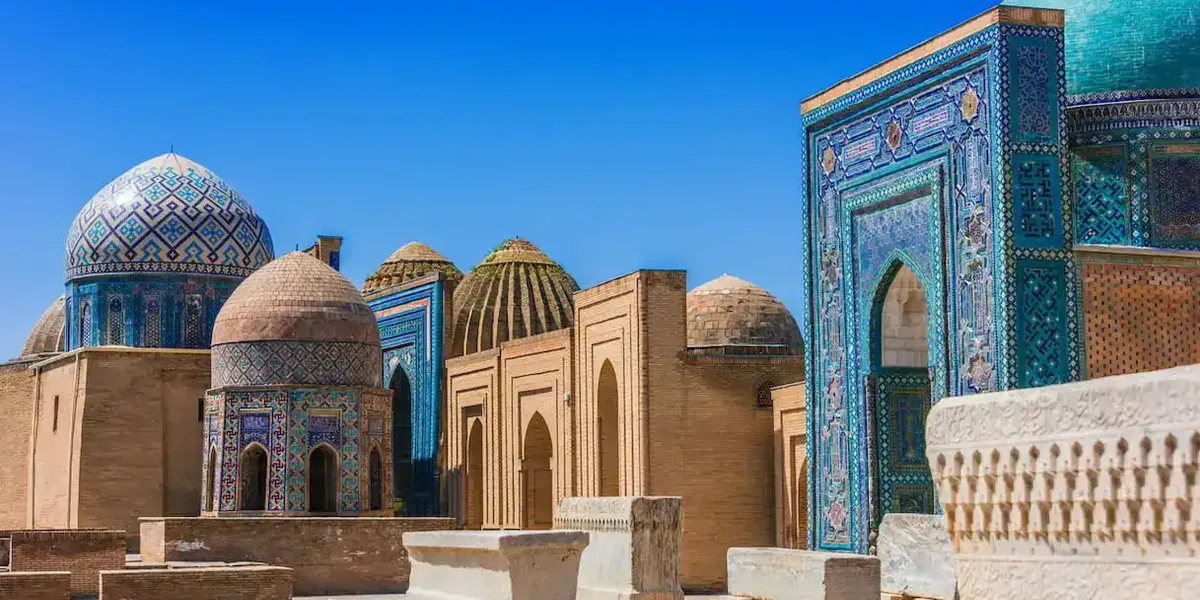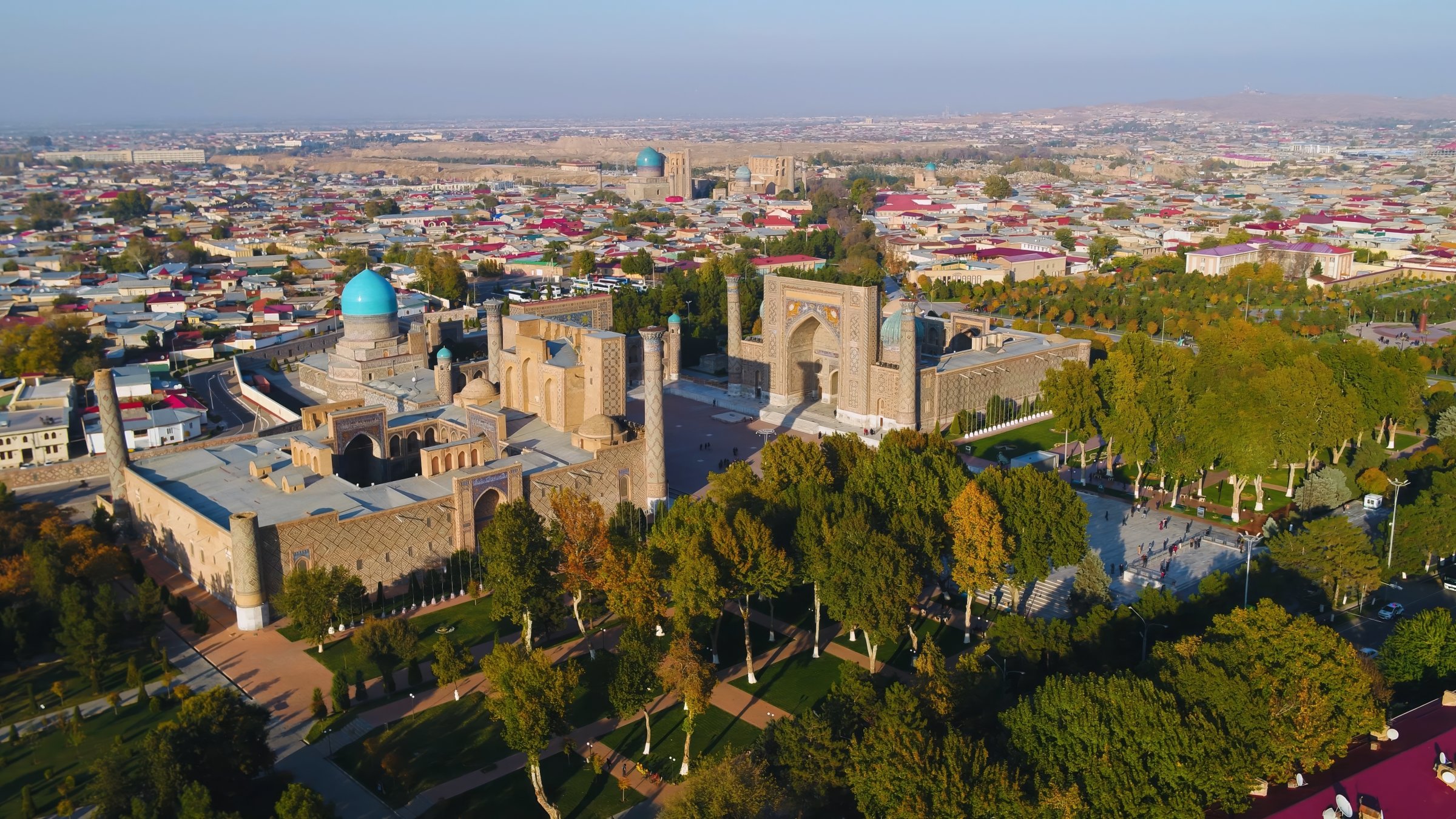
In his Turkish-language book whose title could be translated as "Deep Structure: The Conceptual Framework of the History of Islamic-Turkish Philosophy and Science," prominent Turkish scholar Ihsan Fazlıoğlu devotes the substantial first section of the book to "the Samarkand School of Mathematics and Astronomy," a 15th-century scientific center in modern Uzbekistan. He provides a comprehensive analysis of the intellectual continuity established across different regions through the network of scholarly centers that both influenced and were influenced by this school, demonstrating that such continuity transcended changing political structures. Particularly significant is the fact that the regions of Transoxiana and Khorasan already contained numerous madrassas during the 10th century – approximately 165 years before the establishment of the Niẓamiyya madrassas.
This early institutional infrastructure is essential for understanding both the development of intellectual production in the region and the channels through which its scholarly legacy spread to other parts of the Islamic world. From the late 14th century until the beginning of the 16th century, this region constituted the most productive center of scientific and intellectual activity in the Islamic world. Moreover, while inheriting the legacy of the Maragha School of Mathematics and Astronomy, founded in 1259, particularly through the mathematical-philosophical tradition of Nasir al-Din al-Tusi and Qutb al-Din al-Shirazi, it also absorbed the philosophical heritage of Ibn Sina (commonly known in the West as Avicenna) and the theological legacy of Fakhr al-Din al-Razi.