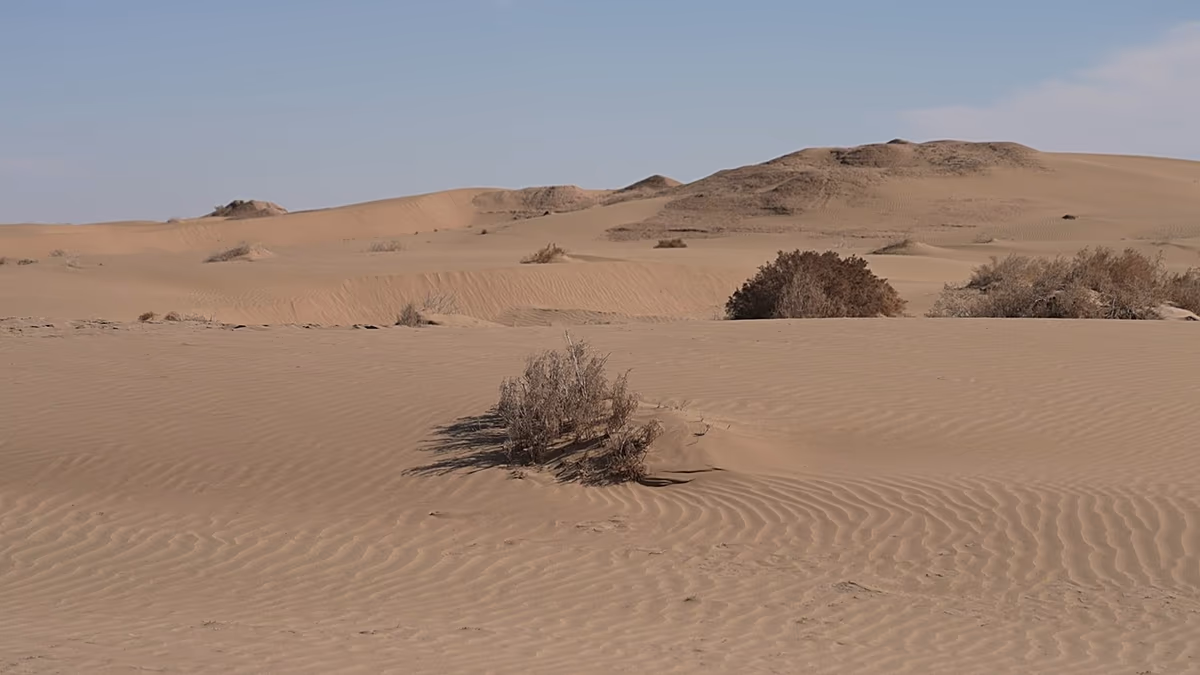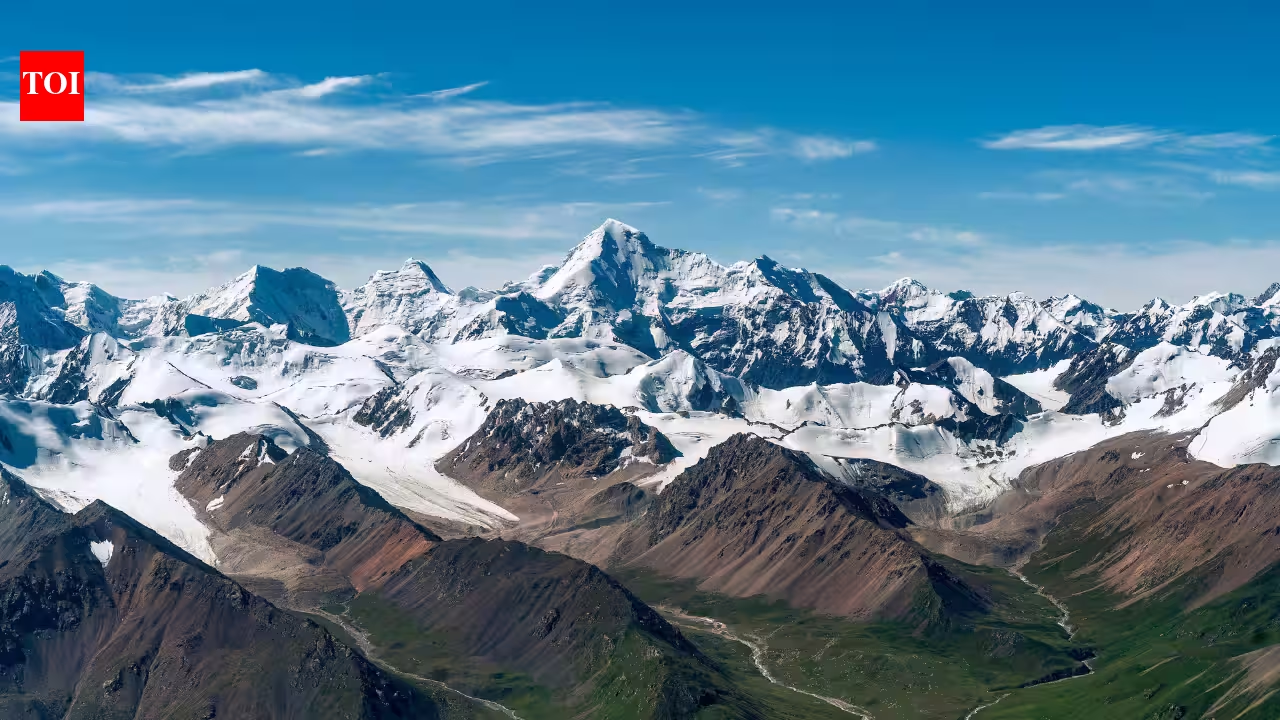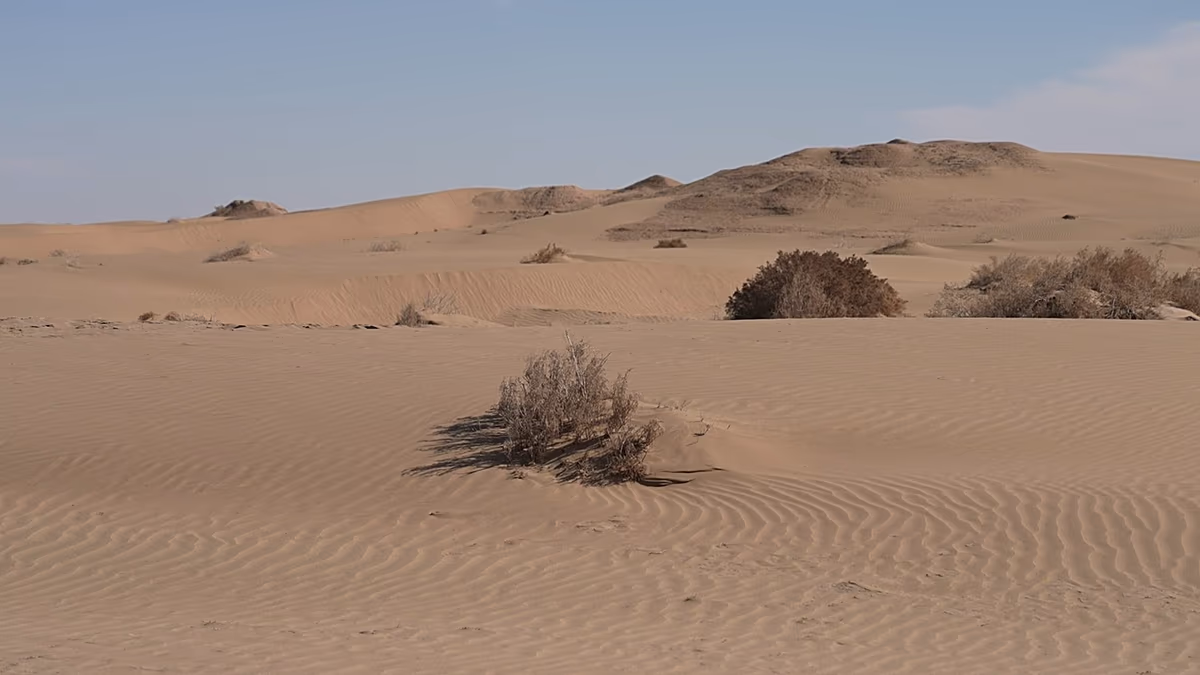
Much of Uzbekistan is covered by arid and semi-arid landscapes. From the vast Kyzylkum Desert in the northwest to the semi-deserts surrounding Termez, these regions have influenced where people settled, how they travelled and how communities adapted to Central Asia's most challenging environments.
Although often associated with open landscapes and extreme climates, Uzbekistan's deserts also contain ancient cities, sacred monuments and settlements that continue to reflect the long relationship between people and their surroundings. From the archaeological sites of Karakalpakstan to the reclaimed lands of Jizzakh and the semi-desert of Surkhandarya, each landscape tells a different part of that story.
Ancient cities beneath the sands of Karakalpakstan
Hidden within the desert plains of Karakalpakstan, Akchakhan Kala was once part of ancient Khorezm. Archaeologists have identified defensive walls, ceremonial buildings and a palace-temple complex dating back more than two thousand years, providing new insight into one of Central Asia's earliest urban centres.
The site covers 56 hectares and has been the focus of international excavations since the 1990s. Researchers from Uzbekistan have worked alongside Australian and, more recently, Chinese archaeologists to uncover the city's layout and preserve its archaeological remains.