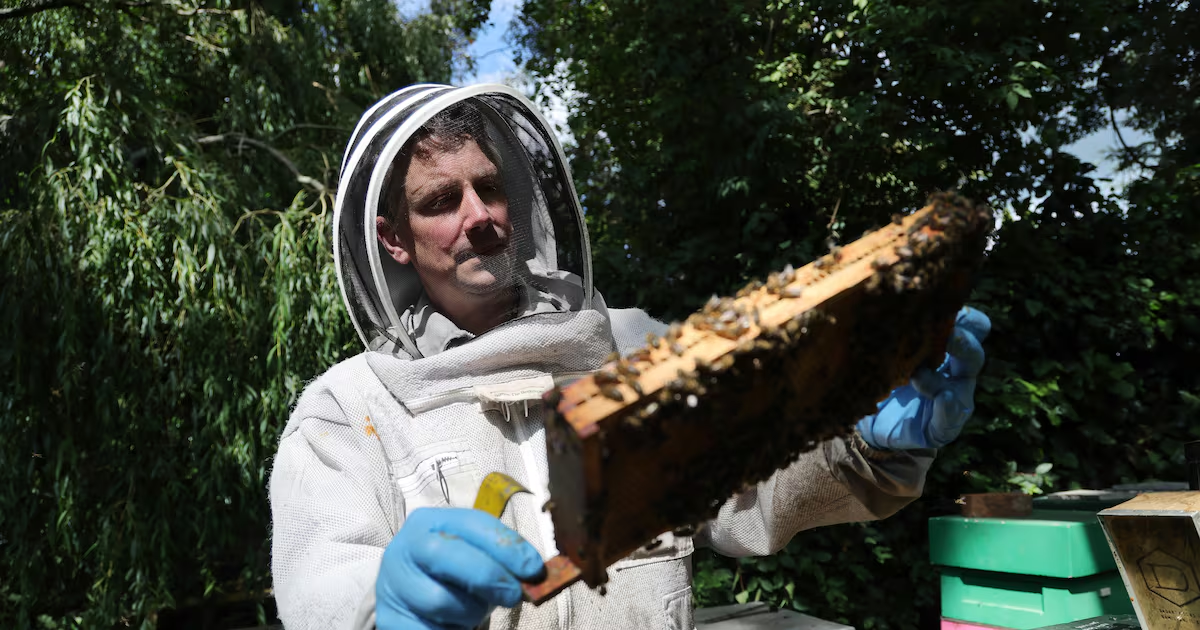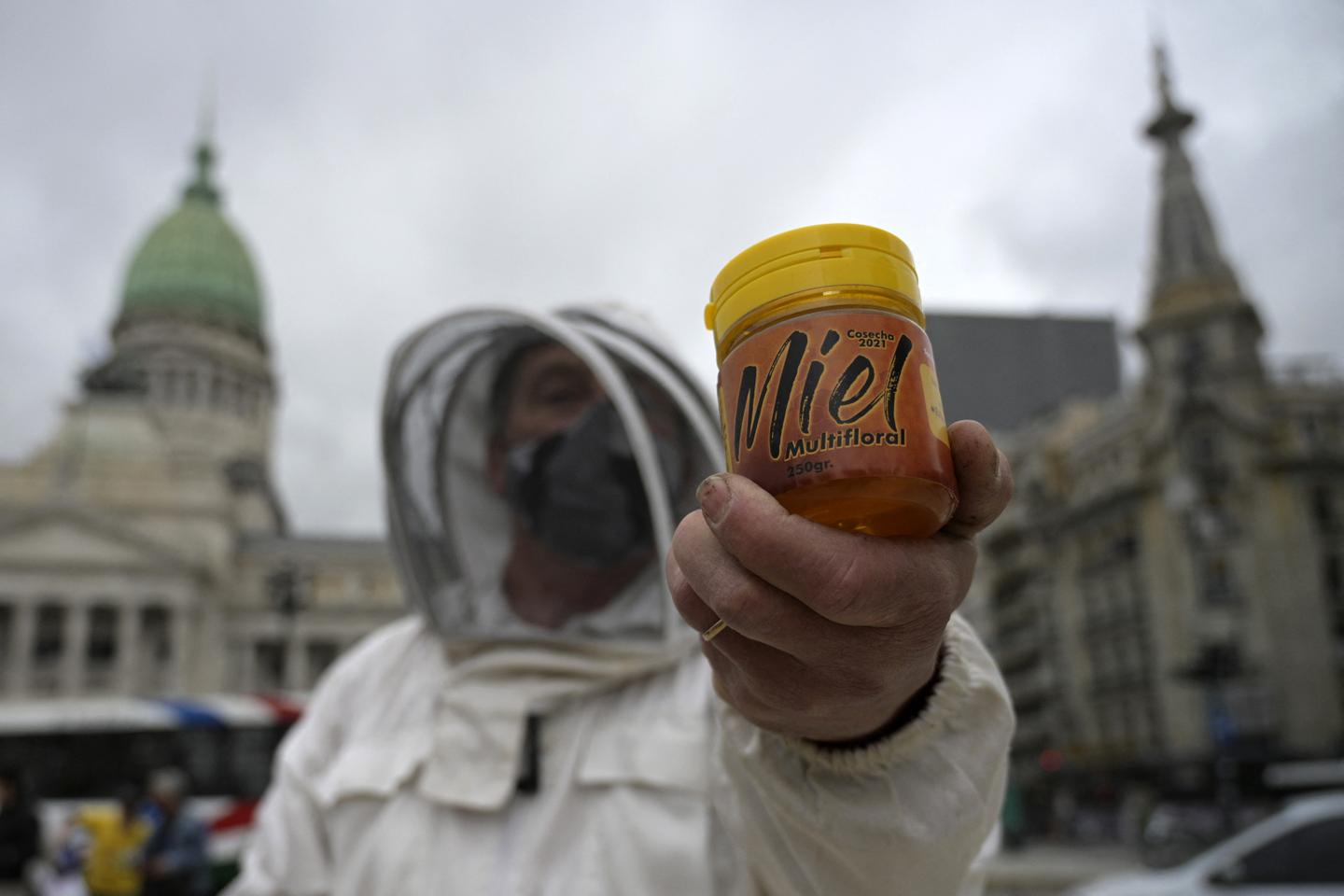
Consumers are currently learning that, despite reassuringly Irish brand names, much of the honey they have been buying for years was never near an Irish hive. New EU rules require blended honey to name every country of origin and the share each contributes, rather than the vague old formula of “a blend of EU and non-EU honeys”.The results are striking. Boyne Valley’s Pure and Natural blend turns out to be 71 per cent Chinese, 21 per cent Spanish and 8 per cent Argentinian. Healy’s, a Cork brand built on a beekeeping family name, sells honey that is 90 per cent Chinese. This is not so much a scandal as a reflection of market reality: Ireland produces only 2.5 per cent of the honey it consumes.Honey is not the only product to have sown confusion over the years. Lyons Tea, Cully and Sully soups and HB ice cream have all, at various points, been assumed to be more Irish than they actually were.It should go without saying that a modicum of common sense is required from consumers. Nobody buying Irish breakfast tea should imagine the leaves were picked on plantations in Cork. But there is little doubt that producers have been content to attach Irish-sounding names to goods assembled from ingredients sourced far away.There is genuine scope for confusion. The Bord Bia Quality Mark covers only fresh produce such as meat and vegetables. Love Irish Food and Guaranteed Irish operate independently, apply their own criteria and can permit non-Irish ingredients in certain cases. None of the three necessarily means what a hurried shopper might think.There have also been clearer cases of misdirection. In 2019, the meat in “slow-cooked chicken made in Co Wicklow” was found to be from Brazil. Earlier this year, one supermarket chain apologised after mislabelling Spanish tomatoes as Irish. The new honey rules may in time be extended to jams and fruit juices. In the meantime, Irish beekeepers, and by extension Irish bees, can finally be properly recognised for all the hard work they do.
The Irish Times view on food labels: Irish bees get their due
Honey is not the only product to have sown confusion over the years
337 words~2 min read