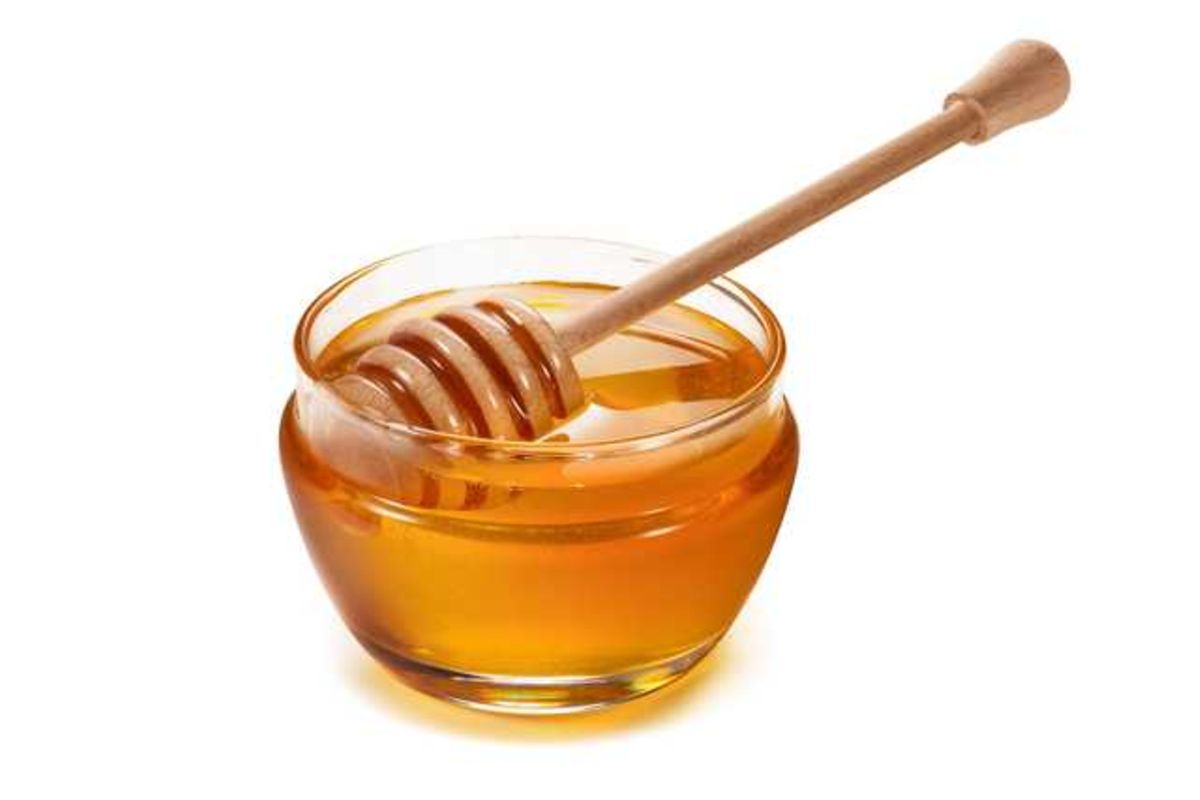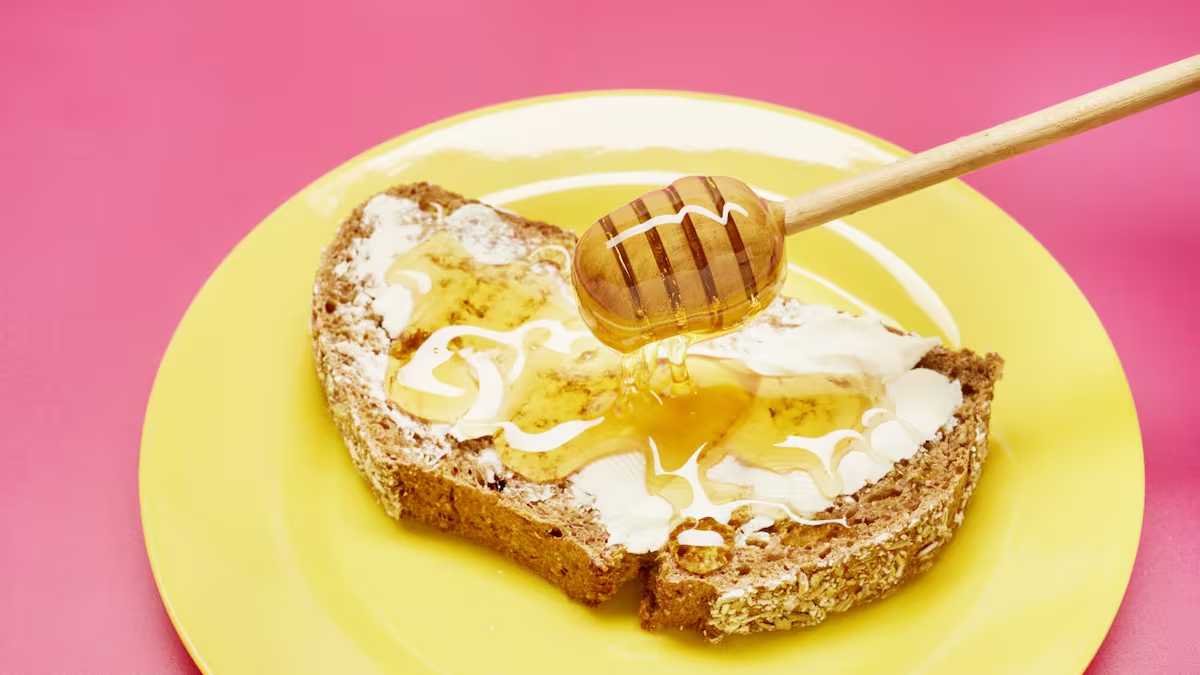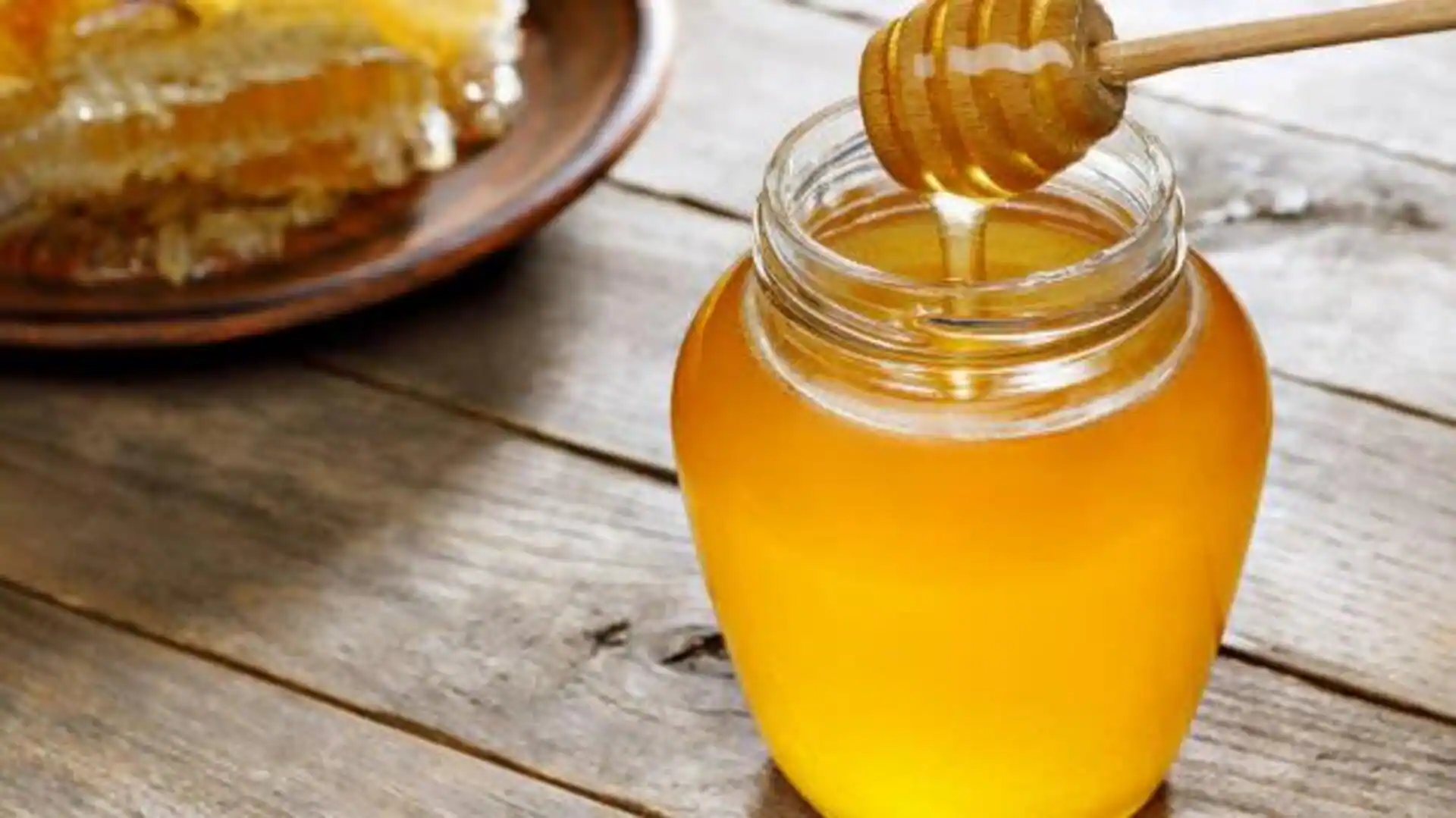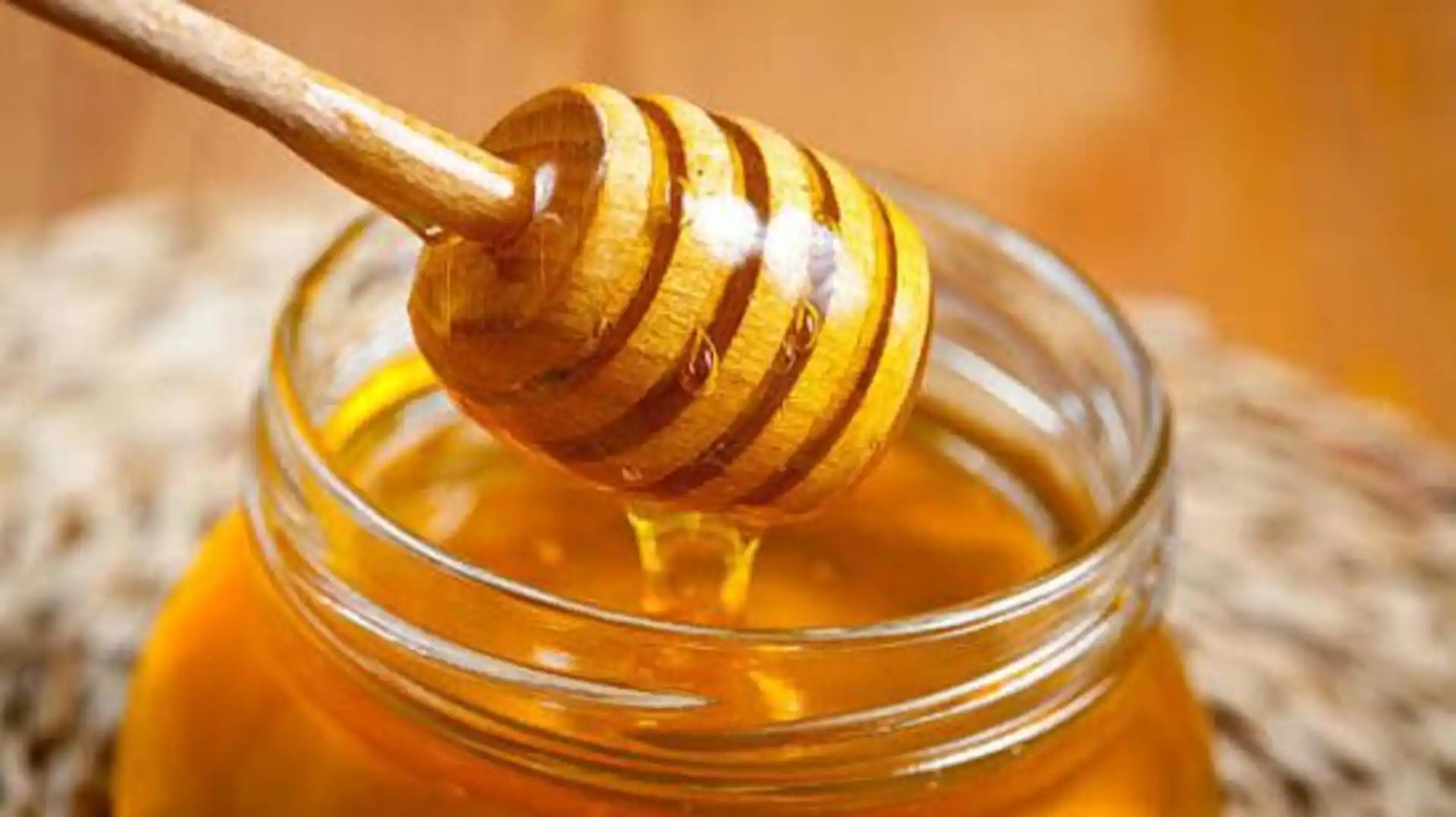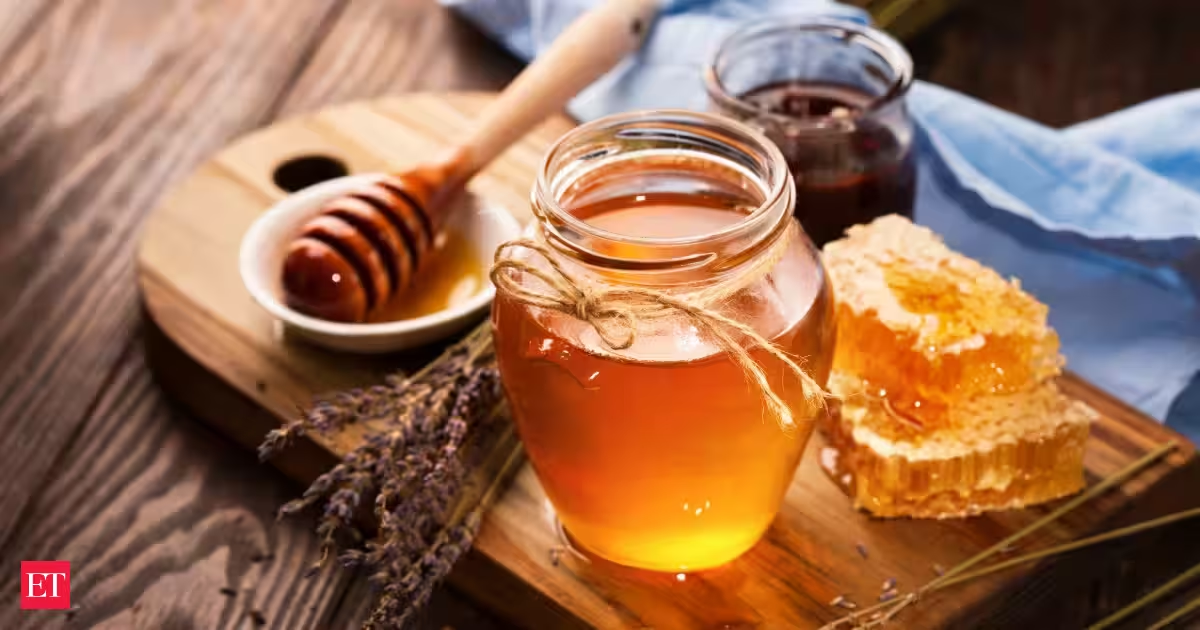
When you open a jar of honey, you may expect pure, natural honey made by bees collecting nectar from flowers and plants. However, commercially available honey can sometimes be mixed with other sweeteners or syrups, making it important to understand the difference between real honey and adulterated honey.Knowing the basic characteristics of genuine honey can help you make more informed choices when buying and using it.How to Identify Real Honey Through Its TextureOne of the features people often observe when checking honey is its consistency and texture. Genuine honey generally has a thick, dense texture and does not flow as quickly as watery syrups.Real HoneyReal Honey: Exhibits a dense, heavy, and thick honey texture. When poured from a spoon, it flows in a slow, continuous stream without splashing, forming distinct ribbon-like layers that settle briefly before folding into the rest of the liquid.Fake or Adulterated HoneyFake Honey: Possesses a thin, watery consistency that drips rapidly like table syrup and breaks apart easily when poured.Why Honey Texture Can VaryThe texture of honey can naturally differ depending on factors such as floral source, temperature, moisture content and processing. Therefore, consistency alone cannot conclusively prove whether honey is genuine or adulterated.How to Check Raw Honey Purity at Home 1. Water Test for HoneyHow to Do ItFill a clear glass with room-temperature water. Add a spoonful of honey to the glass without stirring.Real Honey ResultTraditional home-test claims suggest that pure honey stays relatively dense, sinks to the bottom and remains together rather than immediately mixing with the water.Fake Honey ResultHoney mixed with water or thinner syrups may disperse more quickly and make the water appear cloudy.Note: The water test is not a reliable scientific method for confirming honey purity. Genuine honey can also dissolve in water depending on its moisture content and temperature.2. Thumb or Finger TestHow to Do ItPlace a small drop of room-temperature honey on your thumb or index finger.Real Honey ResultThicker honey may hold its shape for longer and form a small bead on the skin instead of spreading immediately.Fake Honey ResultThinner honey may spread or run more quickly across your finger.Note: Honey consistency can vary naturally, so this test alone cannot determine whether honey is genuine.3. Paper Towel TestHow to Do ItPlace a drop of honey on a piece of kitchen paper towel or blotting paper and observe it for a minute or two.Real Honey ResultHoney with lower moisture content may remain on the surface of the paper instead of quickly soaking through.Fake Honey ResultHoney that contains more water may spread into the paper and leave a noticeable wet patch.Note: Moisture levels vary between different types of genuine honey, so this test should not be treated as proof of adulteration.4. Bread Spread TestHow to Do ItSpread a spoonful of honey over a slice of plain fresh bread and observe how the bread changes after a few minutes.Real Honey ResultThicker honey may sit on the surface of the bread and make it slightly firmer as it spreads.Fake Honey ResultHoney with higher moisture content may absorb into the bread more quickly, making the surface softer or damp.Can These Home Tests Confirm Pure Honey?These tests can help you observe differences in honey's texture, thickness and moisture, but none can reliably confirm whether honey is pure or adulterated. The composition of genuine honey naturally varies, and laboratory testing is a more dependable way to identify adulteration.
Real honey vs fake honey: 4 easy home tests to check honey purity, texture, moisture and more
True honey boasts a rich and viscous nature that flows at a leisurely pace. You can initially gauge its quality with simple home tests like the thumb and water tests, which assess its consistency and response to water or skin. However, these techniques fall short of conclusively verifying purity. For accurate results, laboratory testing stands as the most dependable approach to identify any adulteration.
562 words~3 min read