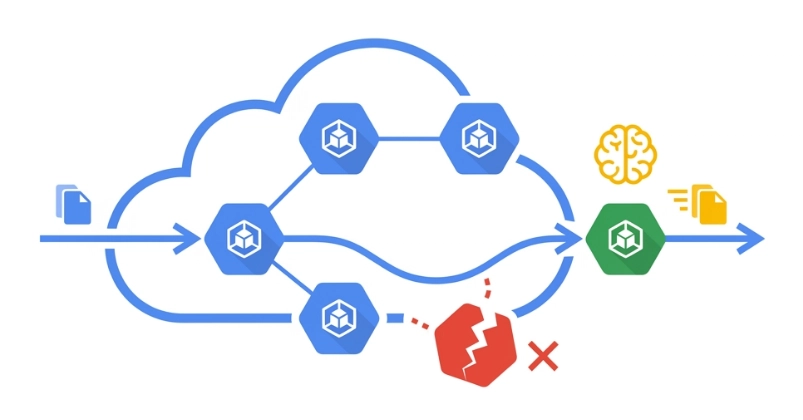
In Kubernetes, few status messages are as familiar as CrashLoopBackOff. When a container exits unexpectedly, the kubelet steps in to prevent the failing process from overwhelming the host node. To achieve this, it applies an exponential backoff delay before each restart attempt. While this defensive mechanism protects node stability, its rigid default parameters create friction for modern workloads.
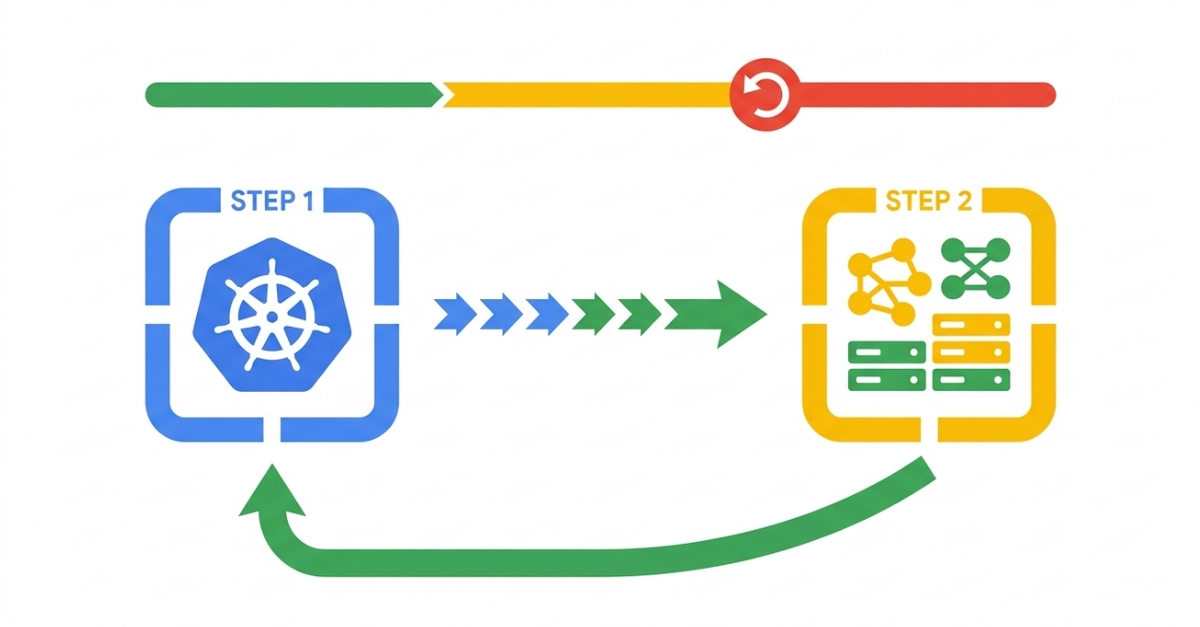
The default Kubernetes restart logic starts at a 10-second delay and doubles after each failure (10s, 20s, 40s, 80s, 160s) until reaching a 5-minute (300-second) ceiling. In fast-moving development environments, distributed AI/ML training runs, and architectures with critical sidecars, waiting up to five minutes for a container to retry stalls entire pipelines.
To solve this operational bottleneck, the GKE team launched the General Availability of tunable CrashLoopBackOff. By exposing crashLoopBackOff.maxContainerRestartPeriod through the GKE NodeSystemConfig API and Custom Compute Classes (CCC), platform teams can now securely reduce restart delays down to 1 second.
In this article, I will explain why fixed restart delays impact modern workloads, how GKE enables native tuning without privileged host workarounds, and how to configure and monitor this capability.