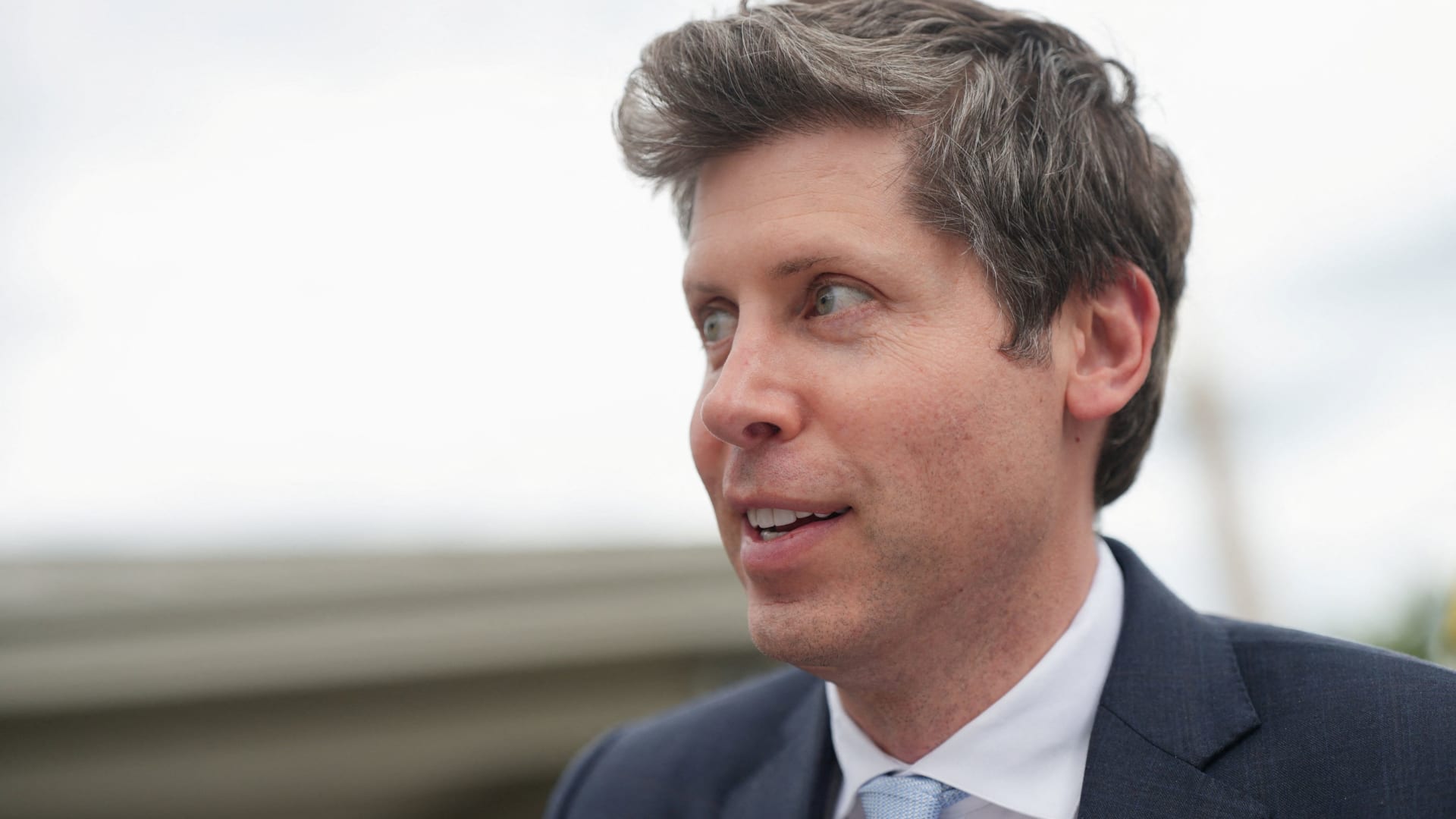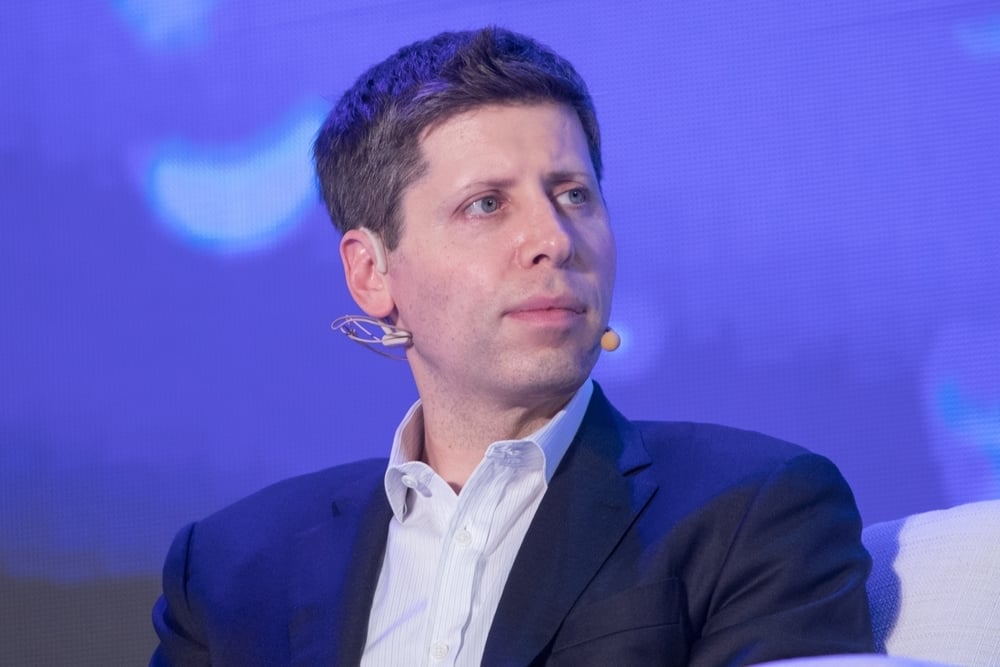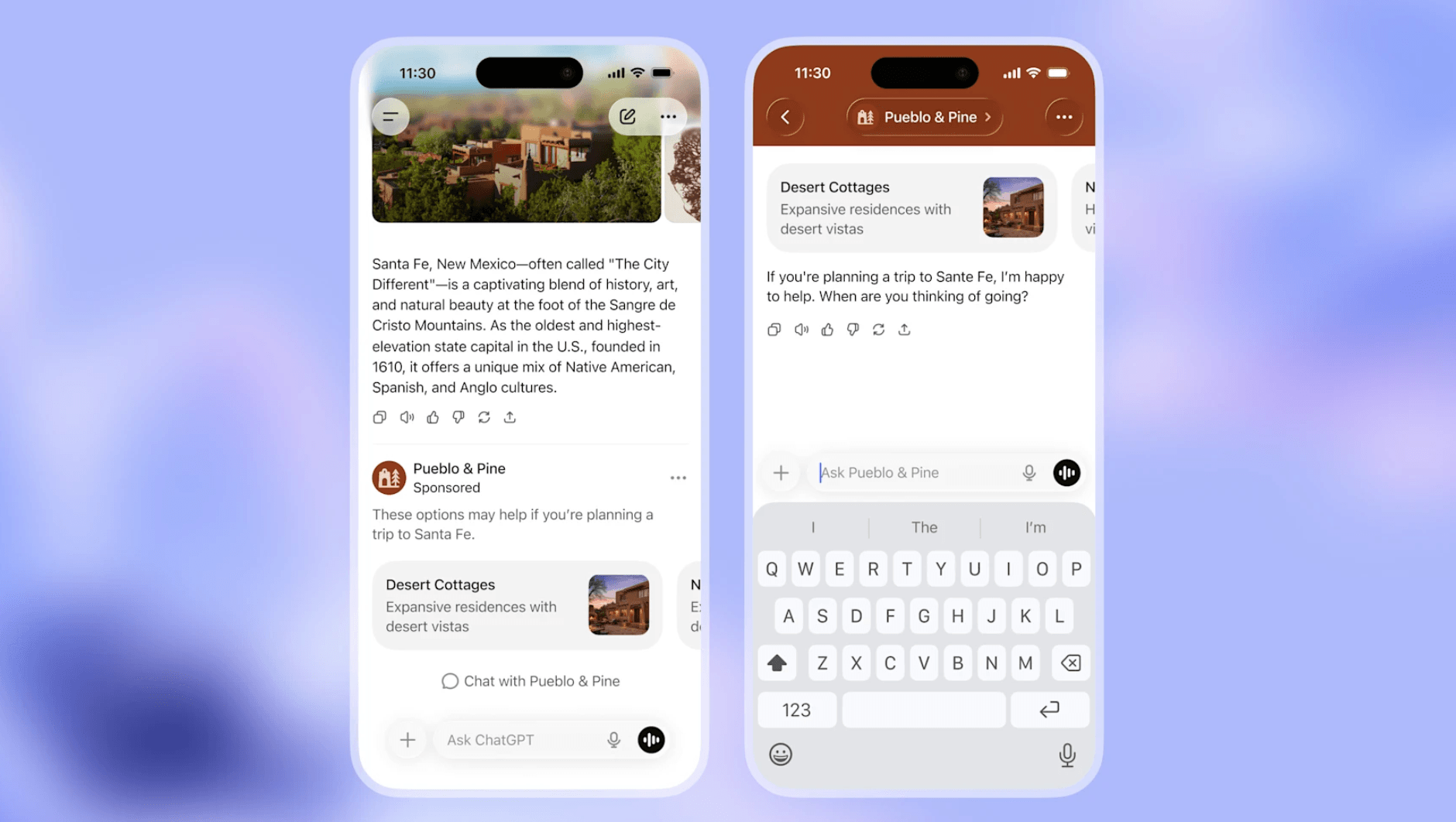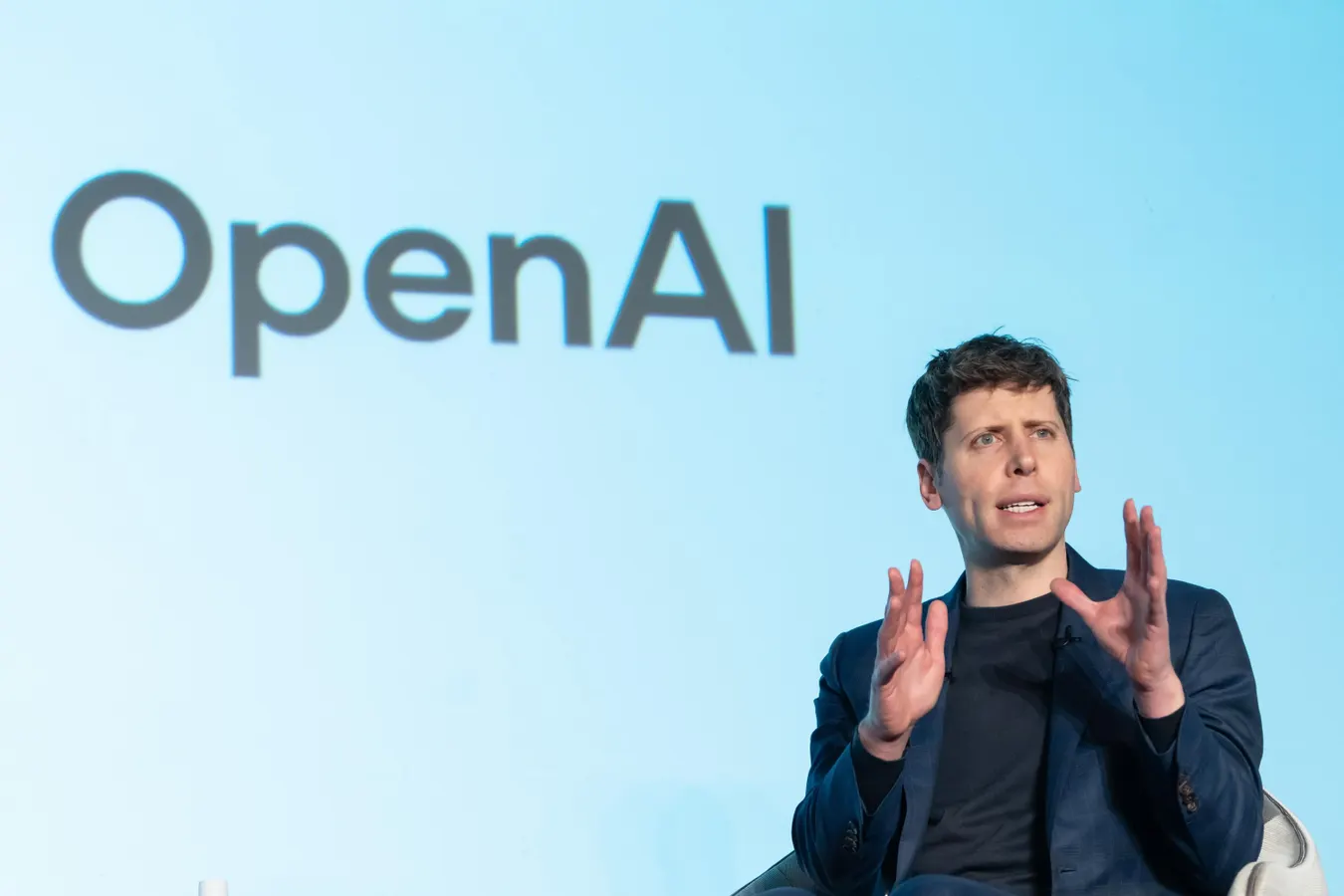
TOKYO, JAPAN - FEBRUARY 3: Open AI CEO Sam Altman speaks during a talk session with SoftBank Group CEO Masayoshi Son at an event titled "Transforming Business through AI" in Tokyo, Japan, on February 03, 2025. SoftBank and OpenAI announced that they have agreed a partnership to set up a joint venture for artificial intelligence services in Japan today. (Photo by Tomohiro Ohsumi/Getty Images)Getty ImagesOpenAI announced Monday that ChatGPT Ads, its roughly 200-day-old advertising business, reached a $1 billion annualized revenue run rate — and simultaneously opened self-serve ad buying to marketers across India, Europe, the Middle East and North Africa.The company pointed to the milestone as evidence of what it calls a "diversified business model," with advertising now sitting alongside enterprise contracts, consumer subscriptions and usage-based API revenue. The timing is not incidental: OpenAI confidentially filed for a U.S. initial public offering earlier this year, reportedly expected to go public in 2027 or sooner, and faces pressure to justify a valuation of $852 billion to prospective investors.What The Number Actually MeansA run rate is a snapshot, not a receipt. The $1 billion figure comes from taking current monthly ad revenue and multiplying it by twelve — it describes the pace of the business today, not money booked over a full year. That distinction matters for a business this young, where a single strong month of global expansion can move the annualized figure dramatically.Even with that caveat, the trajectory is steep. OpenAI began testing ads inside ChatGPT in the U.S. in February, and said in April that the pilot had crossed $100 million in annualized revenue within six weeks of launch. Four months later, that figure has grown roughly tenfold. Dave Dugan, OpenAI's vice president of global ad solutions, framed the moment as "a new chapter for advertising," saying the pace shows the scale of the opportunity ahead.The Facebook Playbook, CompressedMonday’s expansion is arguably the more consequential news for marketers. OpenAI's Ads Manager — the self-serve buying tool already live in the U.S. — is now open to advertisers across India, Europe, the Middle East and North Africa. ChatGPT Ads are available in more than 40 countries overall.Self-serve is the classic small-business wedge, the same mechanism that turned Facebook from a brand experiment into a performance-marketing machine. OpenAI says it is already working: small and medium-sized businesses now represent a "material share" of its ads business.India, one of ChatGPT’s largest markets by weekly active users, illustrates the two-track approach. The company launched there last week with 50 brands and agency partnerships with WPP and Omnicom; a self-serve ad manager for Indian marketers opens September 4 with a daily minimum budget of ₹725 — about $7.60. Big holding companies at the top, a sub-$10 entry point at the bottom.The audience being sold is enormous. Ads appear for users on ChatGPT’s free tier and its lower-priced Go plan, which together account for the vast majority of the product's roughly 1 billion weekly active users. OpenAI says the ads are clearly labeled, do not influence ChatGPT's answers, and that advertisers cannot access users' private conversations. The company said its next phase will add more markets, formats, objectives, buying options and measurement capabilities.A Dividing Line Among AI LabsDigital advertising has long been the cash engine of Big Tech, with Google and Meta each collecting hundreds of billions annually. OpenAI entering that arena is a direct challenge to the duopoly — and a philosophical statement that its chief rival was quick to seize on. Anthropic built its first Super Bowl campaign around OpenAI's embrace of ads, positioning its own ad-free Claude products against the move.That contrast is now a live variable in the market. For advertisers, an AI assistant with a billion weekly users is a new surface for discovery, one that sits closer to intent than a social feed and closer to conversation than a search box. For users, it revives a decades-old bargain: free access, funded by attention. How each camp's choice ages will be one of the more interesting stories of the next few years.The $2.5 Billion QuestionOpenAI set a target of $2.5 billion in advertising revenue for this year, part of a broader picture in which total company revenue is tracking toward an annualized figure above $40 billion — roughly double where it stood at the end of 2025.The ad target implies acceleration, not just continuation. A $1 billion run rate at the end of August means the business must more than double its current pace over the remaining months of 2026 to hit the full-year number. The global self-serve rollout is clearly designed to do exactly that. Whether tens of thousands of new advertisers — up from about 600 in the pilot's first weeks — convert into sustained budgets against entrenched platforms is the question the run rate itself cannot answer.What Monday’s announcement does establish is that the ad business is no longer an experiment. It is a revenue line OpenAI is presenting to investors, expanding across continents, and building tooling around. Two hundred days in, the company has something Google needed years and Facebook needed most of a decade to assemble: a billion-user surface, a self-serve pipe and a billion-dollar pace.
OpenAI Hits $1 Billion Run Rate With ChatGPT Ads In Just 200 Days
Two hundred days in, OpenAI has something Google and Facebook needed years to assemble: a billion-user surface, a self-serve pipe and a billion-dollar pace.
862 words~4 min read