Greece's MInistry of National Defense
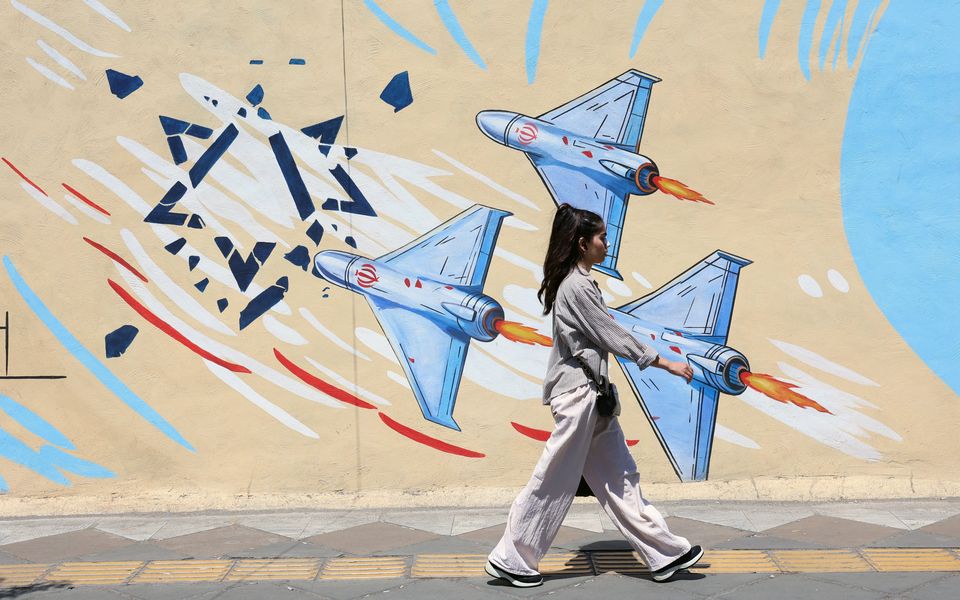
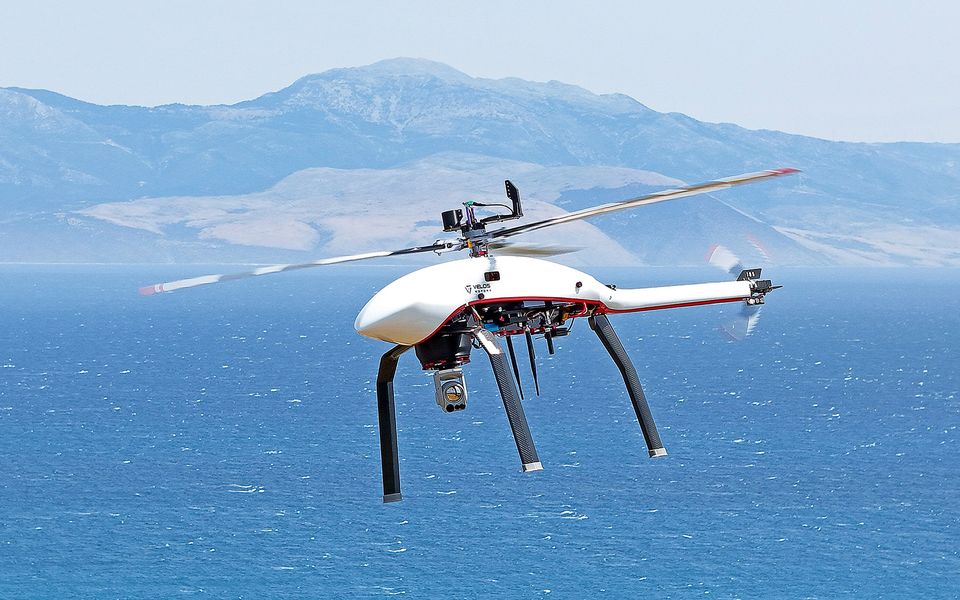
The way wars are fought has changed dramatically over the past two or three years. The war in Ukraine, and then the war in Iran were a wake-up call for everyone. Bureaucrats and generals realized that large formations and complex structures are no longer necessary; in this new environment, 40 or 50 well-trained soldiers operating drones can secure a massive area.
The Americans realized how far they’d fallen behind in developing new technologies, but also how unprotected their bases in the Persian Gulf were from Iranian attacks, either with ballistic missiles or cheap unmanned aerial vehicles. The Russians, for their part, are paying a hefty price for years of inaction rooted in outdated doctrines. Turkey, however, unexpectedly found itself thrust into the limelight, playing an important role in this new era. The Indians became aware of this in the field when Pakistan drew on Turkish expertise and drone technology during their brief conflict.
Greece is taking slow but steady and bold steps toward redesigning its armed forces and defense arsenal. It will very likely be in an excellent position in 2030. But this requires a methodical approach and less fanfare, persistence in overcoming bureaucratic resistance and entrenched interests and mindsets. Our political system abandoned our armed forces to the mercy of political calculations and patronage, and didn’t invest a single euro in research or the development and production of defense equipment and technologies, despite having the necessary talent.