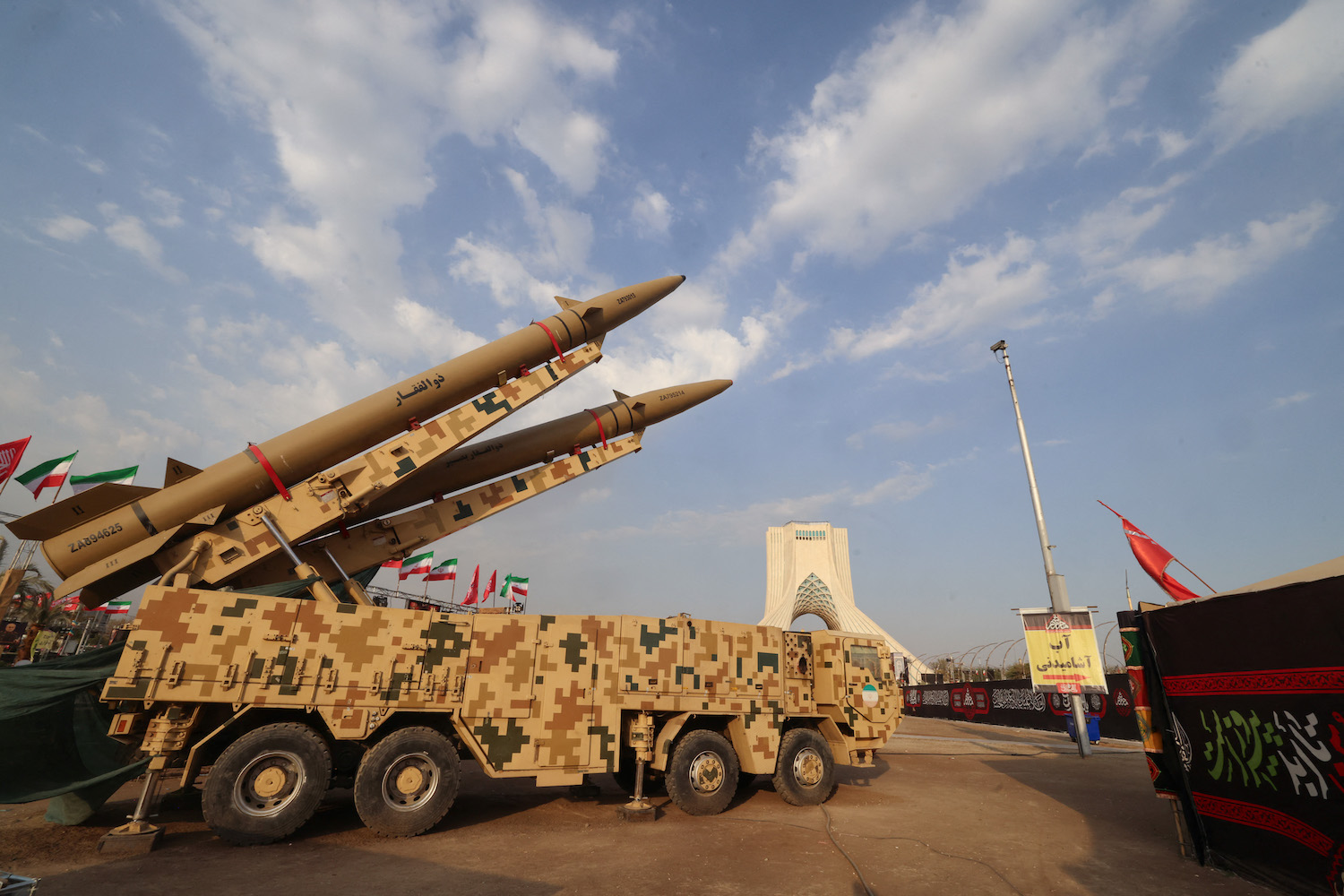
An Iranian girl walks past an anti-Israeli mural on a street in Tehran, Iran, 08 June 2026. [Abedin Taherkenareh/EPA]
The crisis in the Middle East and, mainly, the war in Ukraine have prompted a reassessment of defense and foreign policy in most countries. Yet it is remarkable that even the biggest military apparatus on the planet, the United States, has yet to comprehensively integrate artificial intelligence into its defense programs.
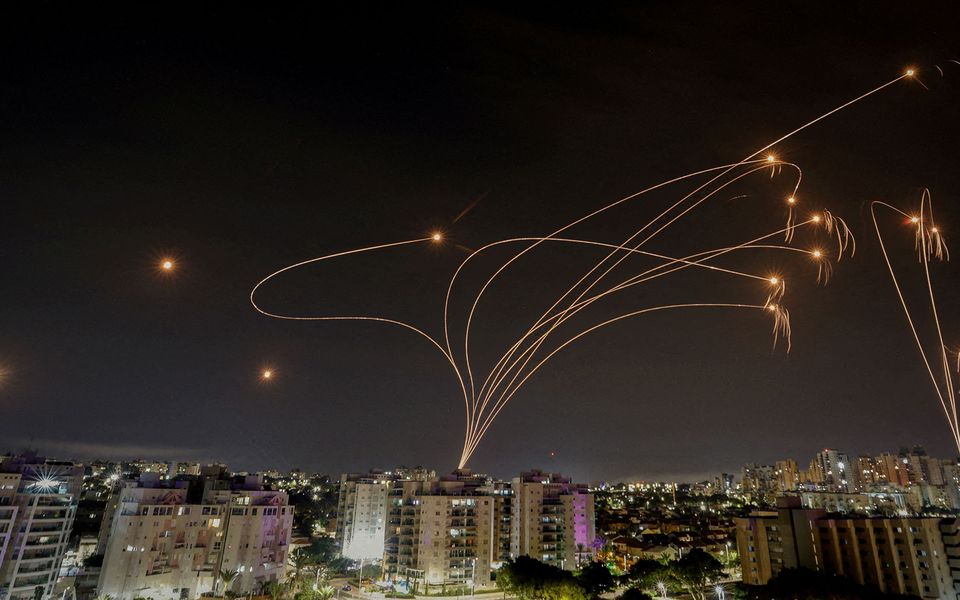
Equally telling of the relative obsolescence of the American defense industry is the shortages in stockpiles that were observed quite quickly during the 37 days of operations against Iran, even if material was used at an exceptionally high rate. These shortages included expensive missiles, air-defense interceptors and various types of ammunition. Replenishing these stockpiles is going to take years. As Mark F. Cancian recently noted, “The United States has many munitions with adequate inventories, but some critical ground-attack and missile-defense munitions were short before the war and are even shorter now.”
Successive US administrations are also coming under criticism for the defense industry’s failure to develop lower-cost weapons systems such as attack drones, thereby missing an opportunity to draw on the expertise and battlefield innovations developed by the Ukrainians. A typical example of such failings is the inability to reach the goal of manufacturing 2,000 Patriot interceptors per year – output is roughly at 600. There have also been difficulties in securing industrial partnerships with third countries, while the US naval shipbuilding sector has, for the past decade, produced only about 1.2 nuclear-powered submarines per year, instead of two as planned.