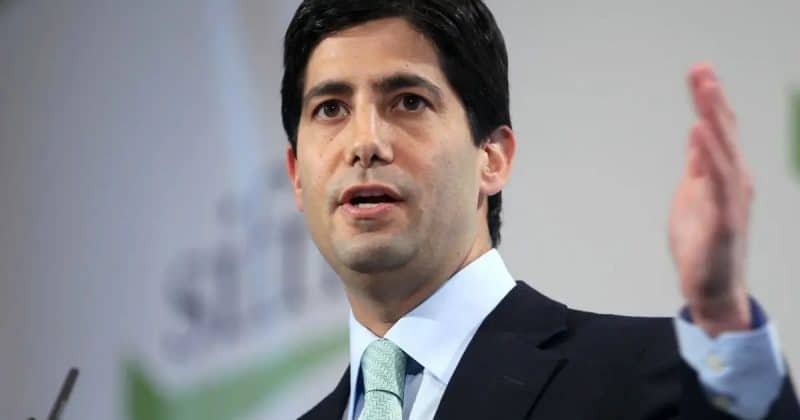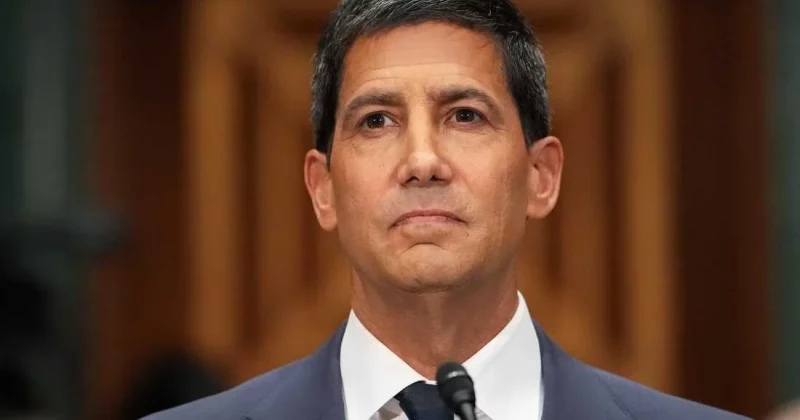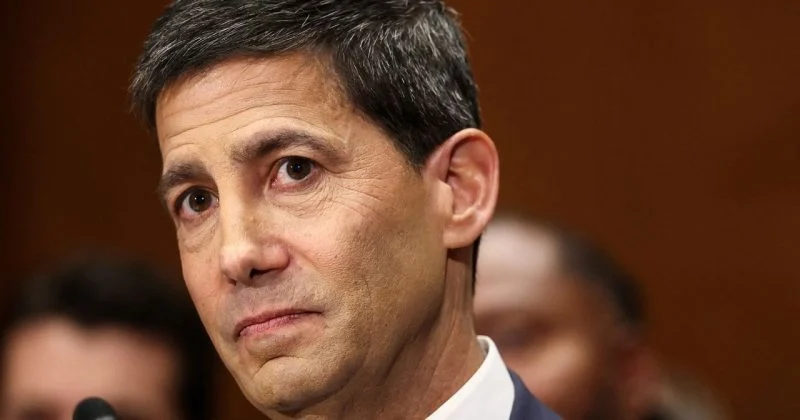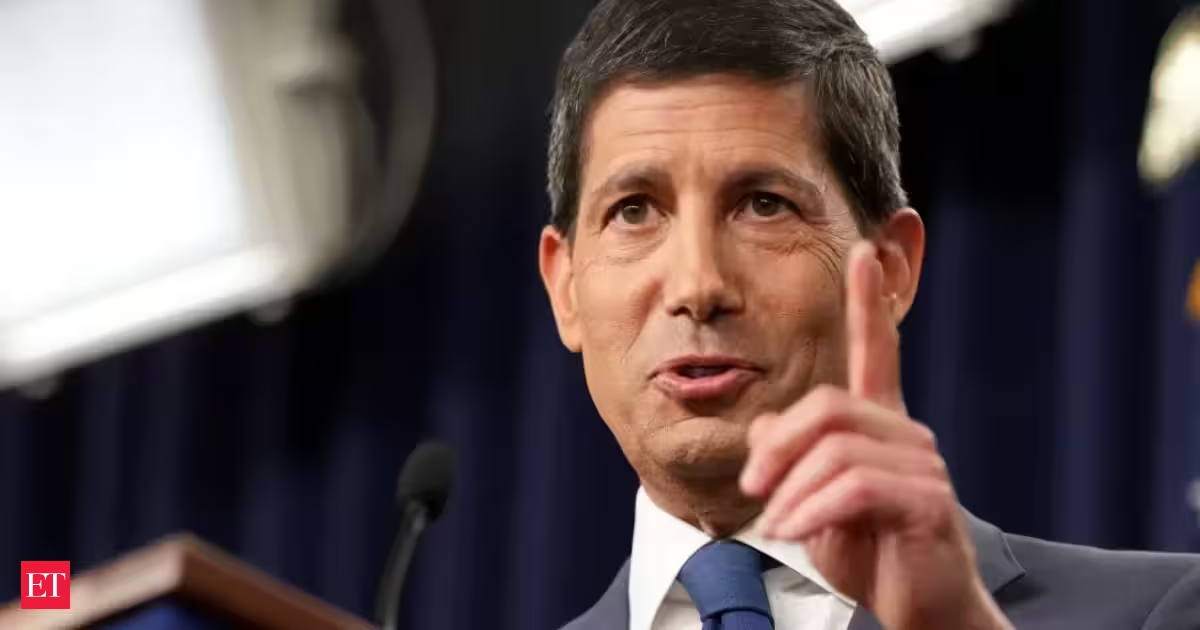
Kevin Warsh has a simple message for anyone who spent the last decade parsing every comma in Federal Reserve statements: get used to less.
Since taking over as Fed Chair in May 2026, Warsh has compressed the central bank’s policy communication to its bare essentials. His first FOMC statement in June clocked in at roughly 132 words, down from 341 in April. At his inaugural meeting, Warsh omitted his own interest rate projection from the Summary of Economic Projections, a pointed rejection of the dot plot system he’s criticized for years. Then, on August 28, he formalized the whole philosophy during his Jackson Hole symposium address, advocating for what he calls a “quieter Fed” that enhances policymaking flexibility and accountability.
What a quieter Fed actually looks like
Warsh’s argument is straightforward: when you telegraph every move in advance, you box yourself in. The Fed becomes hostage to its own prior statements rather than responding to real-time economic data. By speaking less and signaling less, the central bank regains the ability to act on incoming information without contradicting its previous guidance.
Warsh’s approach represents a deliberate return to pre-2008 norms, when the Fed communicated less frequently. The trend toward greater transparency accelerated significantly with Ben Bernanke during the post-2008 financial crisis, where systematic forward guidance and regular press conferences became common, continuing under Janet Yellen and Jerome Powell with quarterly projections and more frequent disclosures.