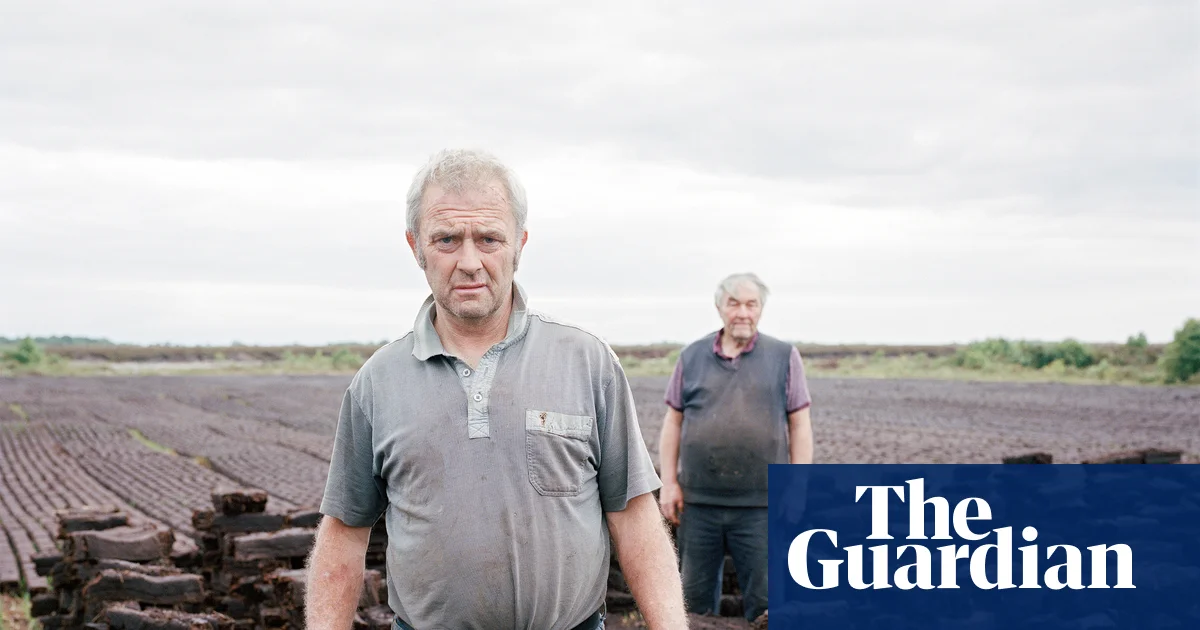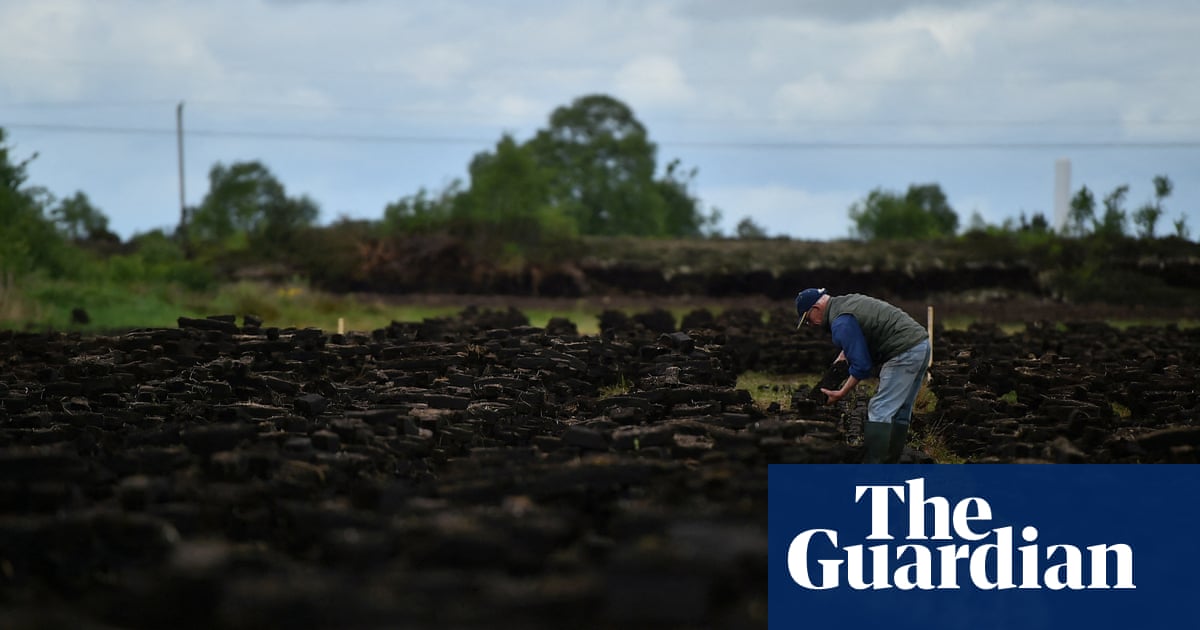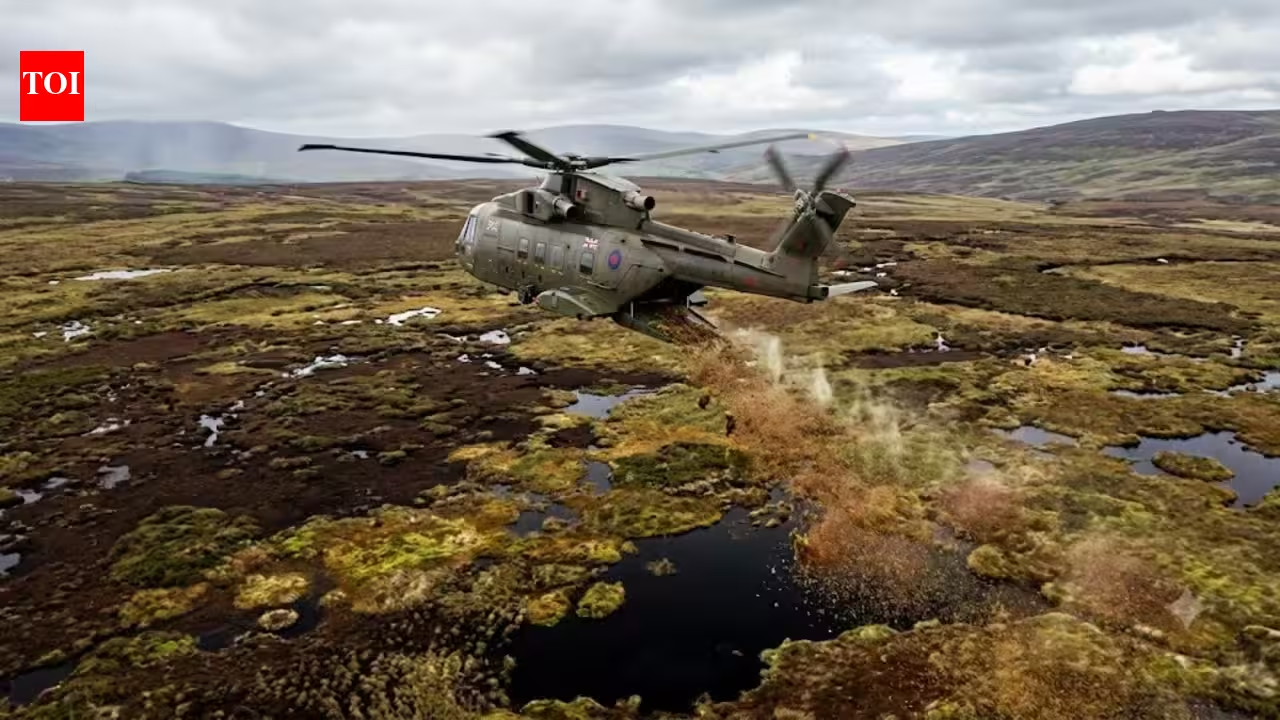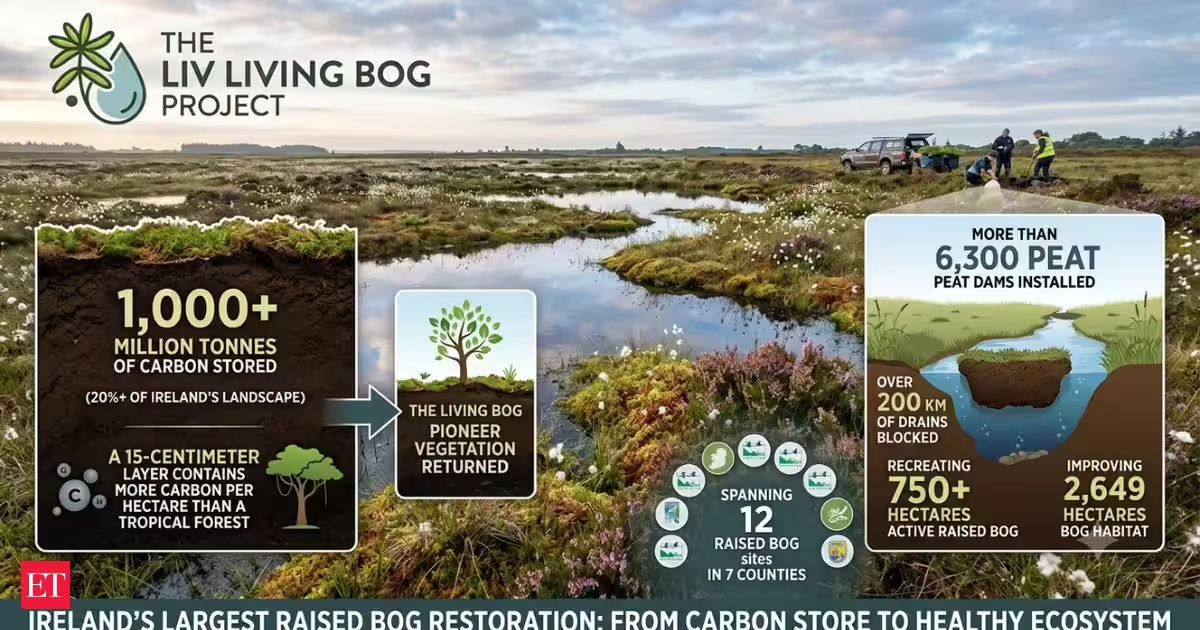
In 2016, The Living Bog Project began what was described as Ireland's largest raised bog restoration project, with plans to recreate more than 750 hectares of active raised bog and improve 2,649 hectares of bog habitat.The project used peat dams to block drains that were taking water away from the bogs and reported the return of pioneer raised bog vegetation and species as restoration work progressed.The effort followed more than 200 years of peat exploitation across Ireland's midlands, where raised bogs had been used as a source of cheap fuel.Ireland's peatlands hold vast amounts of carbonIt is estimated that a 15-centimeter layer of peat contains more carbon per hectare than a tropical forest.Peat covers more than 20% of Ireland's landscape and is estimated to store more than 1,000 million tonnes of carbon.MORE STORIES FOR YOU✕« Back to recommendation storiesI don't want to see these stories becauseThey are not relevant to meThey disrupt the reading flowOthersSUBMITMore than 200 years ago, the Irish midlands had over 800,000 acres of intact raised bogs. Since then, exploitation for cheap fuel has depleted many of these areas.Today, approximately 8% is considered suitable for restoration or conservation, while less than 1% is active, living bog that is still capable of growing.A project spanning 12 raised bog sitesThe five-year project worked across 12 Raised Bog Special Areas of Conservation and Natura 2000 sites in seven counties in Ireland's Midlands.It received €4.6 million from the EU LIFE14 Programme for Environment and Climate Action under its Nature and Biodiversity funding, while the Government provided €5.4 million.More than 6,300 peat dams were installedA key part of the restoration involved plans to use more than 12,000 peat dams to block almost 200 kilometres of drains.More than 6,300 peat dams had been installed at the time of the update.EU funding also helped the project completely restore the eco-hydrological functions of six of the 12 raised bogs, according to Ronan Casey, Public Awareness Manager of The Living Bog Project.At the time of the update, restoration work was ongoing at two other sites, while work was beginning at the final four.Pioneer vegetation returned to the bogsThe project reported the return of pioneer raised bog vegetation and species as restoration work progressed.The work across the 12 sites focused on restoring and improving raised bog habitat that had been affected by peat exploitation.
In 2016, the Living Bog Project began restoring 750 hectares of Ireland’s raised bogs. 10 years later, over 6,300 peat dams have helped bring pioneer bog vegetation back
Discover the transformative impact of The Living Bog Project as it restores over 750 hectares of raised bogs in Ireland, revealing the return of vital peat vegetation and ecosystem health through innovative peat dam technology.
387 words~2 min read