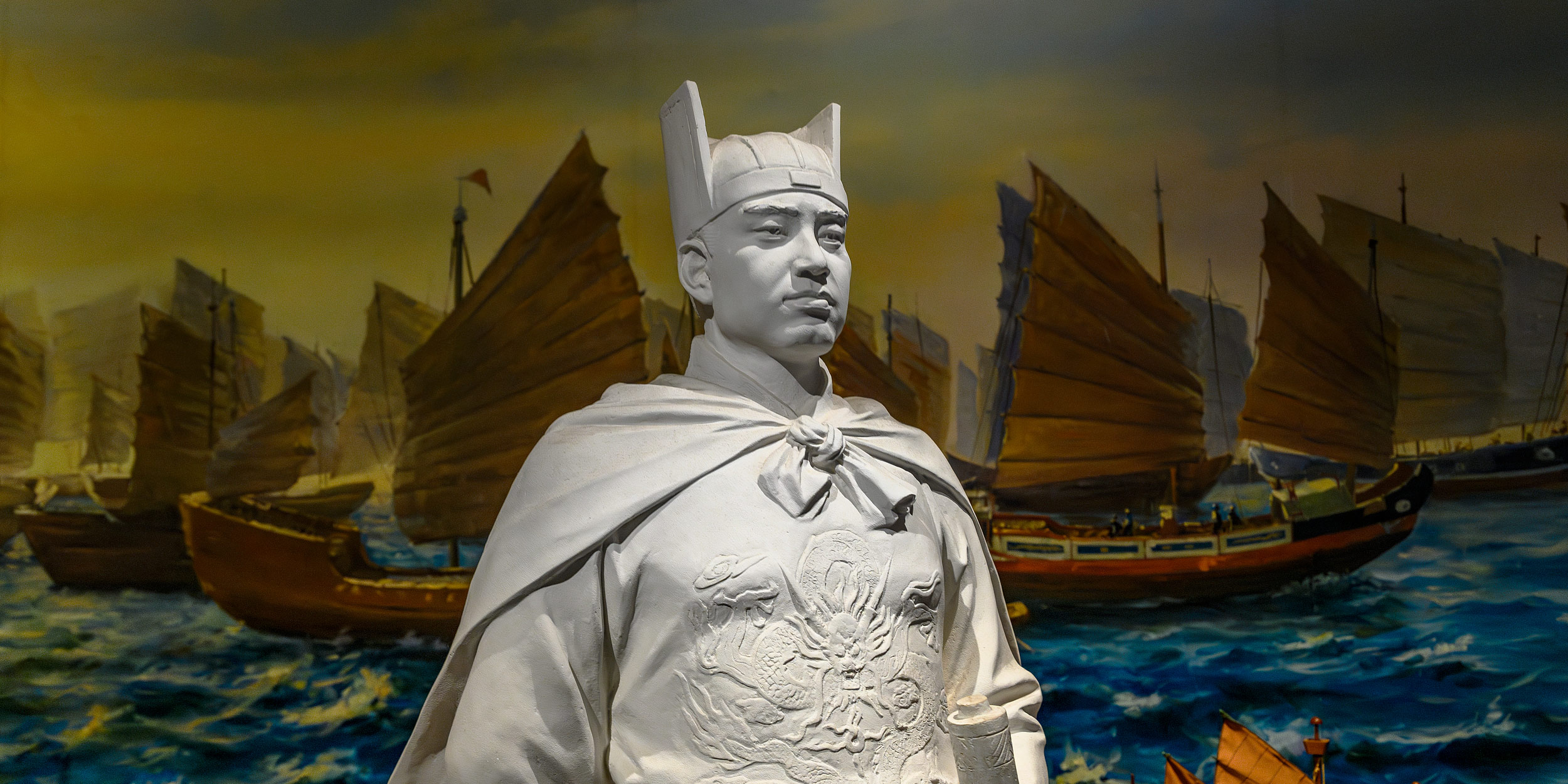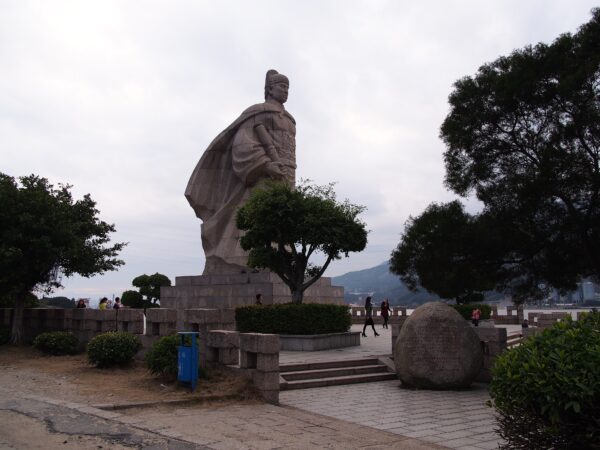
The Ming Dynasty navigator Zheng He is often closely associated with Xi Jinping’s Belt and Road narrative. But the historical figure has been used as a diplomatic tool for decades, long before Xi launched the Belt and Road Initiative (BRI).
Zheng He entered the diplomatic storytelling of the People’s Republic of China within a decade of its founding. Under Hu Jintao and Wen Jiabao he became part of a broader historical argument about China’s rise, a role that remained prominent during the first years of Xi’s presidency.
Much attention has been paid to why Beijing revived Zheng He. But few have noticed how mentions of Zheng He changed: Since 2018, China’s top leaders have increasingly moved away from using him to argue that a stronger China would not become a conquering power.
As early as the late Qing period, Chinese nationalists recast Zheng He as evidence that China had once possessed global reach. During the Republican era he entered Chinese history textbooks and became a domestic symbol of national capacity. Around the time of the Bandung Conference, Beijing began recoding him for diplomacy. Zheng He was increasingly presented as a powerful but anti-colonial emissary of Afro-Asian friendship, particularly in China’s relations with newly independent African states.