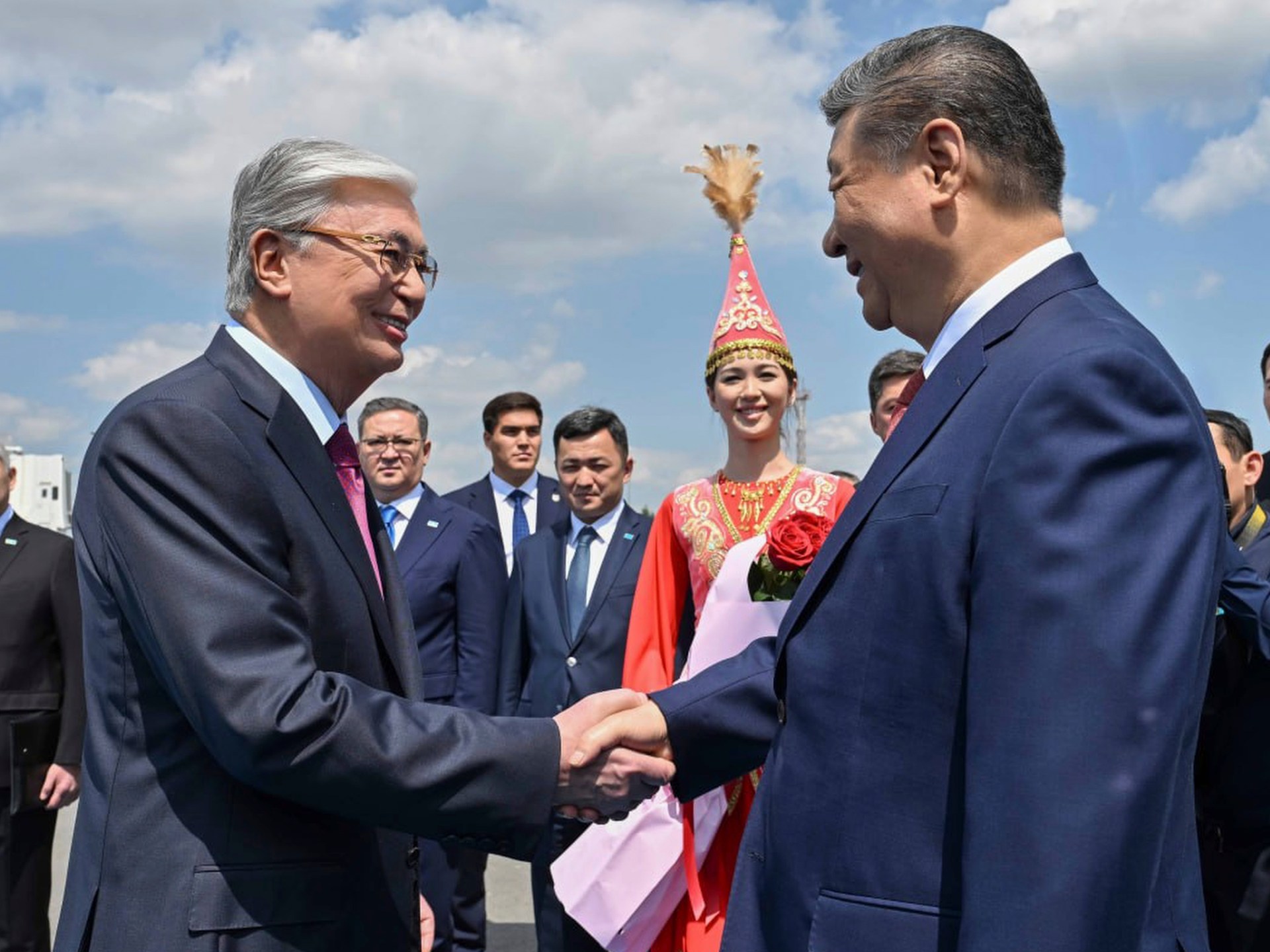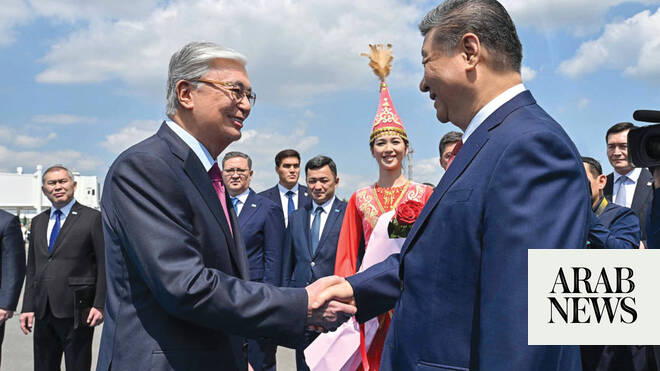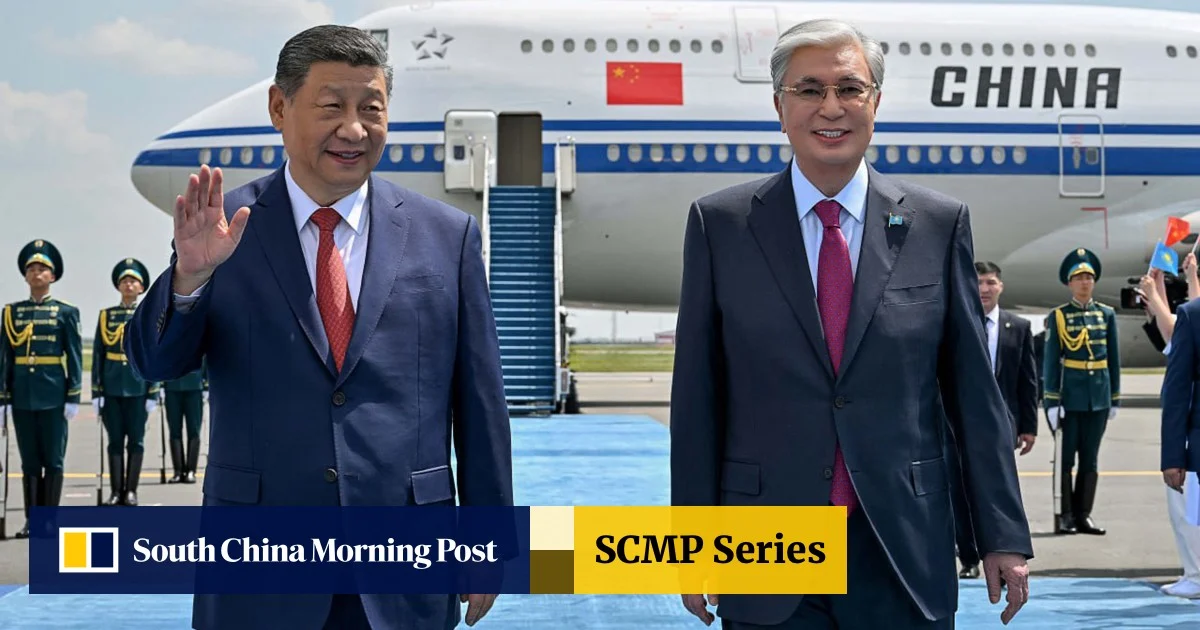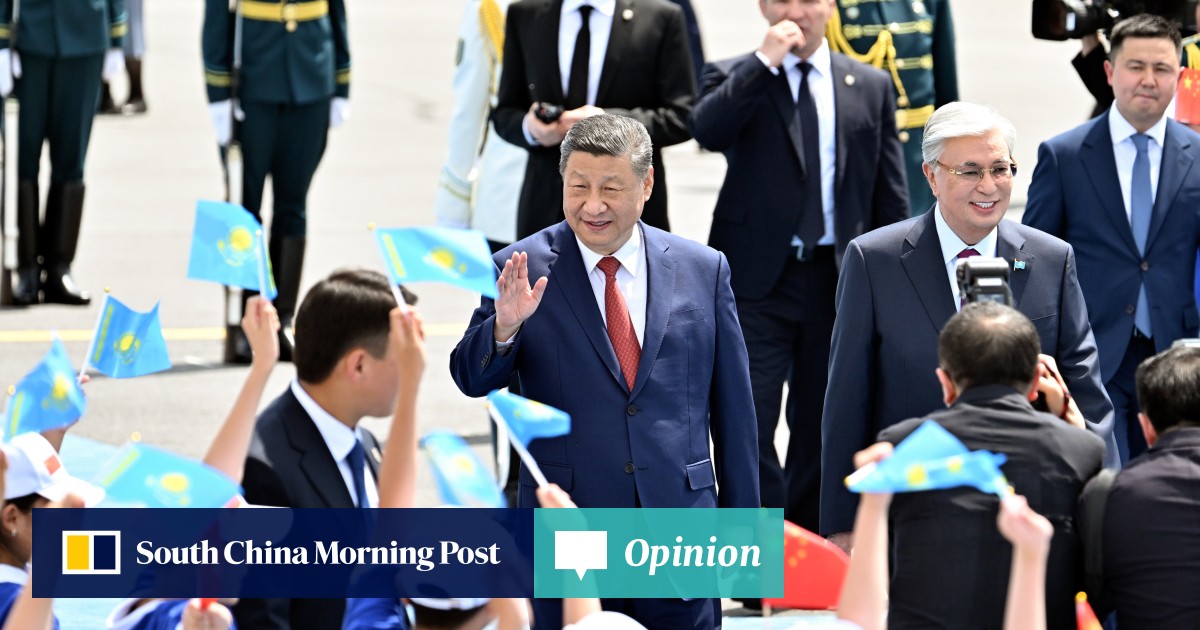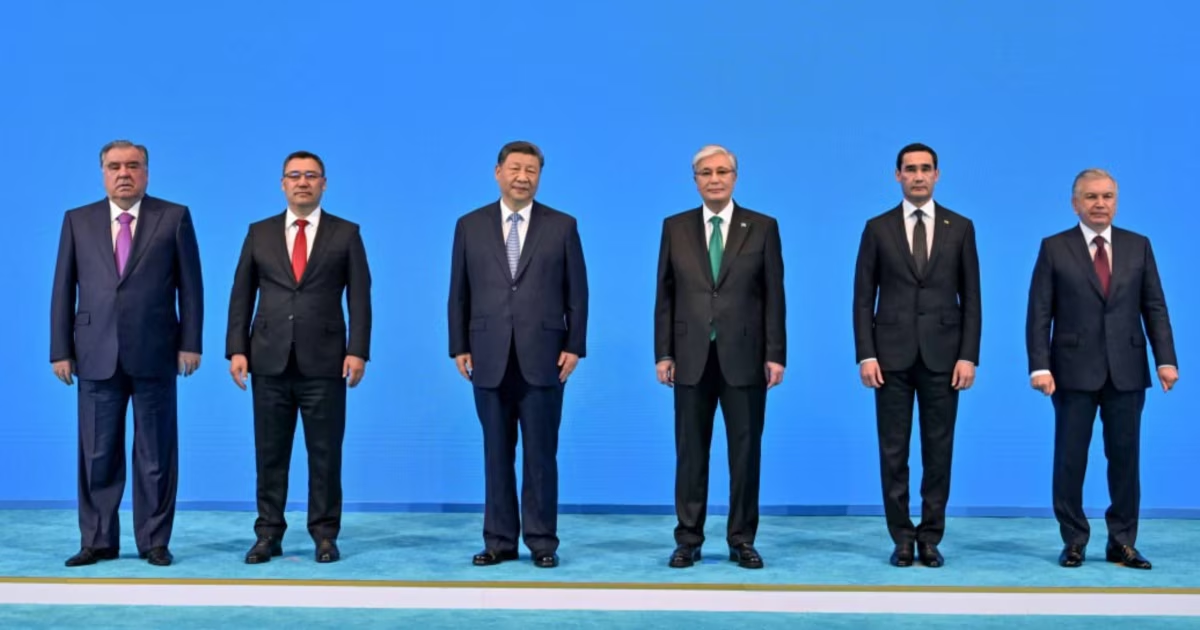
When Xi Jinping was appointed general-secretary of the Chinese Communist Party in late 2012 and later as president in 2013, China was emerging as an important trade partner for Central Asia with unclear ambitions toward a region traditionally under the influence of Russia.But data compiled by RFE/RL shows how Xi's tenure as China's leader has led to a wave of wide-ranging diplomatic engagement that has helped transform Beijing's role from influential neighbor into Central Asia's most consequential economic partner -- a relationship that could reshape the future of the region.RFE/RL's findings show that Xi has made 15 visits to Central Asia since 2013, the most by any Chinese leader."Under Xi Jinping, Central Asia has shifted from being viewed primarily as a buffer region on China's border to becoming a core strategic corridor linking China to Eurasia, the Middle East, and Europe," Bradley Jardine, managing director of the Oxus Society for Central Asian Affairs and co-author of the book Backlash: China's Struggle for Influence in Central Asia, told RFE/RL. "Xi sees Central Asia as strategically indispensable."
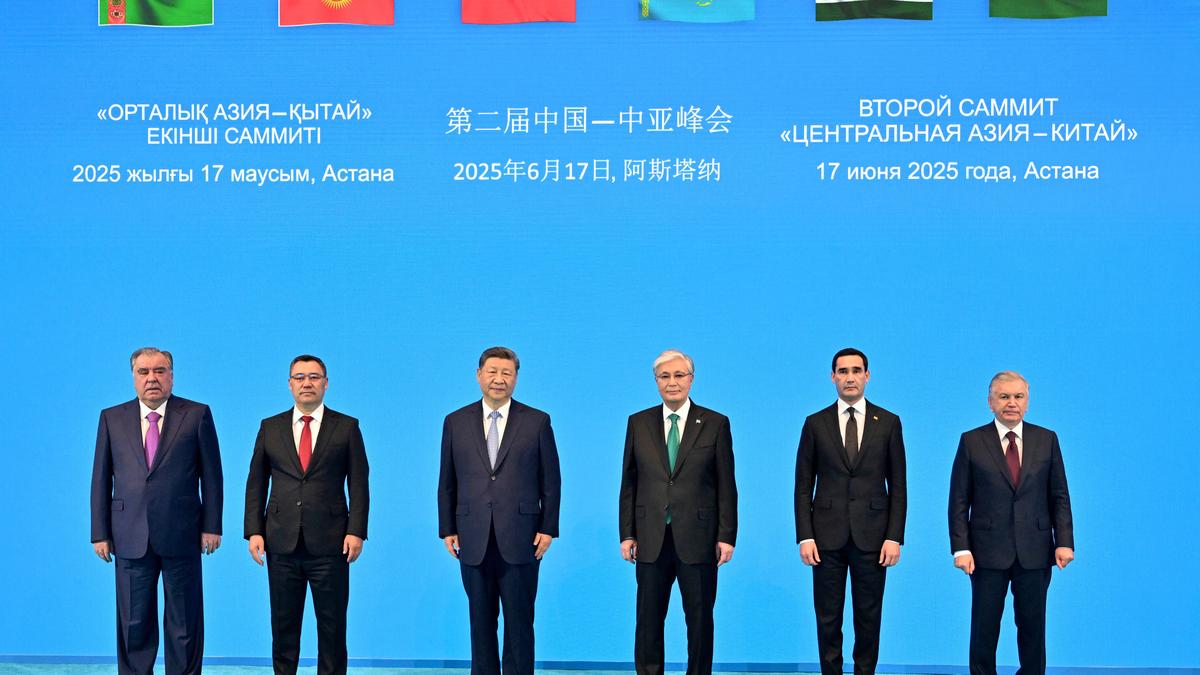
This period has also coincided with 34 bilateral visits over 13 years from the presidents of Kazakhstan, Kyrgyzstan, Tajikistan, Turkmenistan, and Uzbekistan to China.Kazakhstan and Kyrgyzstan lead the count at eight visits each, followed closely by Tajikistan at seven. On top of that, China and Central Asia have engaged through annual summits like the Shanghai Cooperation Organization (SCO) and the China-Central Asia Summit, which launched in 2023 as the first official gathering between Beijing and the region that didn't also include Russia.Over the course of the Xi era, top-level engagement has been steady, but at times uneven. China's leader didn't leave the country and only held virtual and phone meetings from 2020 to 2022 due to the COVID-19 pandemic. He broke his international isolation in September 2022 with a state visit to Kazakhstan followed by the SCO summit held that year in Uzbekistan.