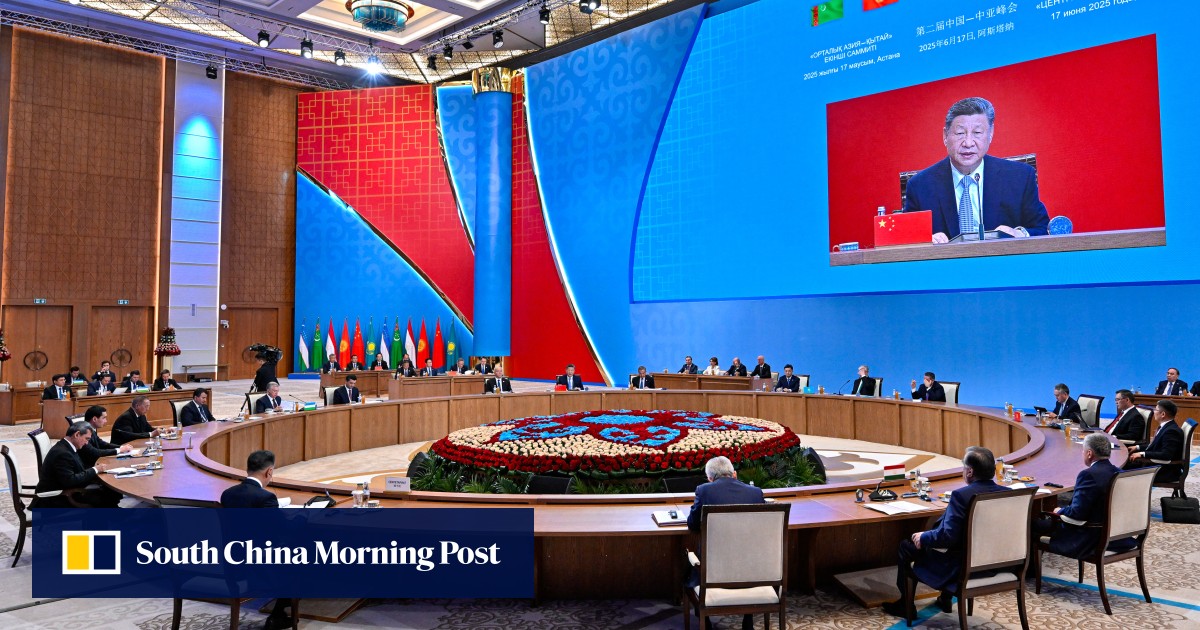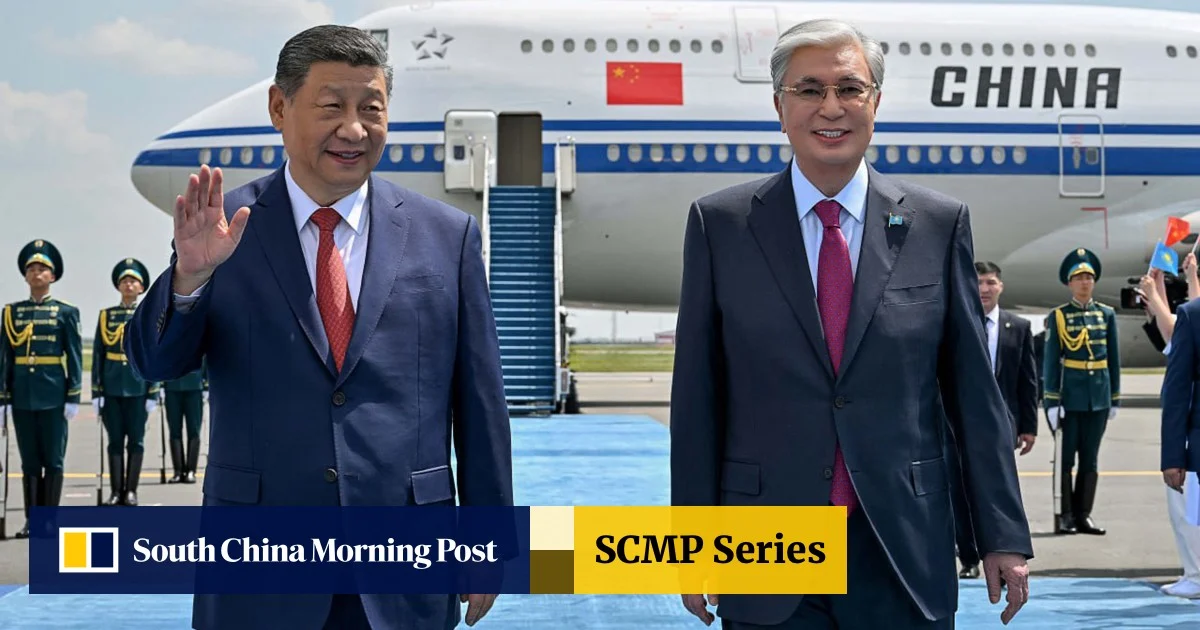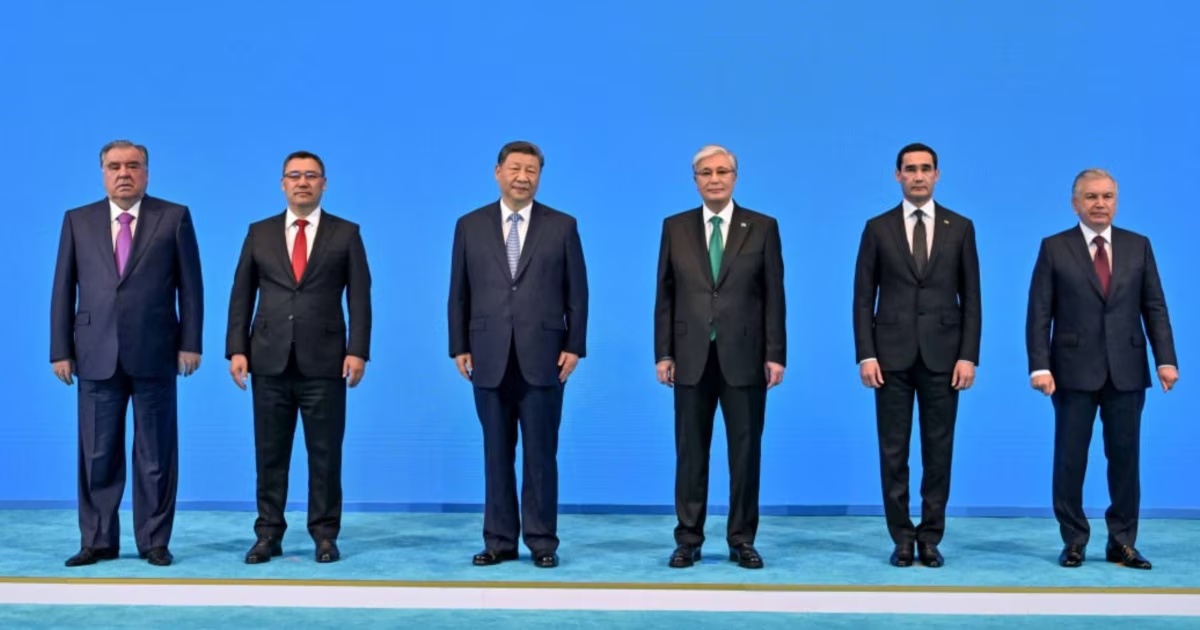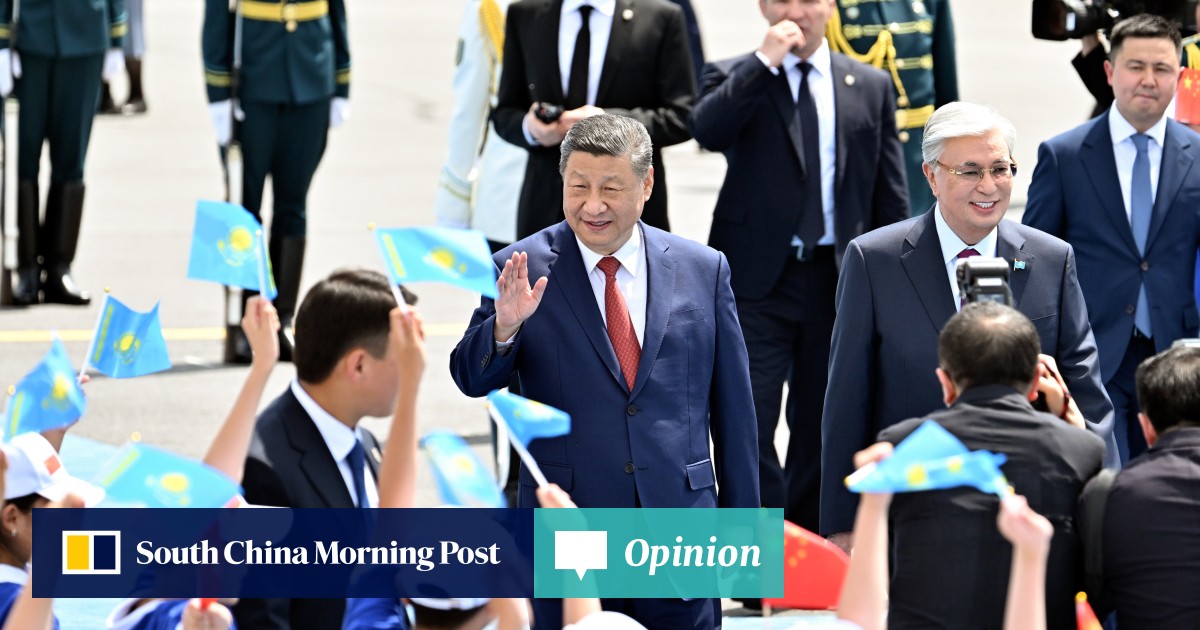
Boosted by proximity and broad policy objectives, Beijing is slowly gaining the upper hand in the region over Moscow and the European Union
In 2024, China’s overall turnover with Central Asia reached US$94.8 billion, dwarfing the EU’s trade volume with the region which, Uzbek President Shavkat Mirziyoyev told Euro News, is around €54 billion (US$62.1 billion).
Beijing is also ahead of New Delhi, another actor that aims to expand relations with Central Asia, particularly in the field of security. But even though China has a significant advantage over its competitors, it is unlikely to become the most dominant actor in the region.
Although Central Asian states undoubtedly want to strengthen economic ties with Beijing, most, if not all of them, continue to pursue what is known as a “multi-vector” foreign policy. In other words, their objective is to maintain a balance between all the major foreign powers operating in Central Asia, seeking to avoid falling into anyone’s geopolitical orbit.
Fully aware of the importance of Central Asia, Chinese Lieutenant General Liu Yazhou, in his influential 2010 essay “On Advance Towards the West,” argued that mainland China’s future lies in consolidating its western frontier – particularly in the Xinjiang Uygur autonomous region and with Central Asia – rather than focusing solely on maritime ambitions.