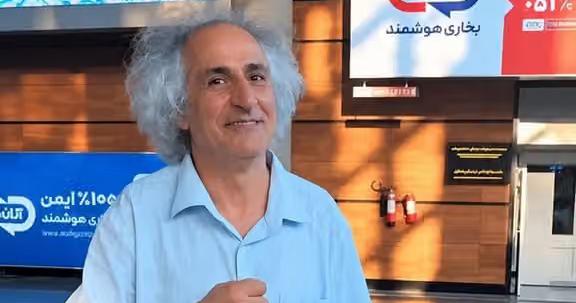
The return of Mohsen Namjoo to Iran has, in just a matter of days, become a focal point of intense debate on social media, drawing reactions from figures across the political and cultural spectrum. Beyond Namjoo’s individual case, however, a broader pattern is emerging: following two wars, a wave of state violence, and a severe crisis of legitimacy for the Islamic Republic, Tehran appears to be introducing curated lists of exiled figures who are selectively granted permission to return. Indications suggest Iran may be on the cusp of a wider wave of repatriated exiles.
Yet Namjoo, a high-profile celebrity who was previously convicted in the Islamic Republic’s judicial system and stands accused of sexual violence in the court of public opinion, has raised serious questions with his return. Does his homecoming, along with the potential return of others, signal an institutional shift within the Islamic Republic? Or is it a calculated regime strategy designed to instrumentalize these figures, ultimately laying a trap for them?
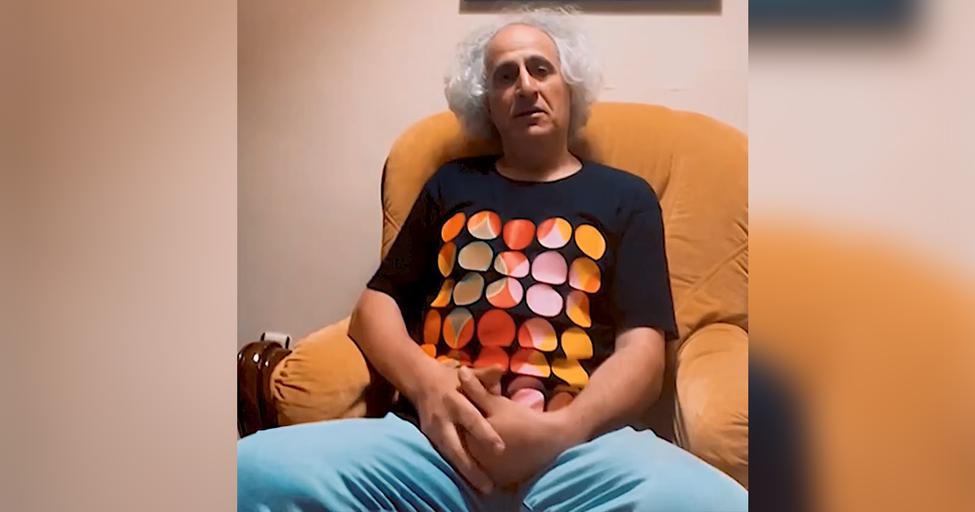
While numerous social media users and prominent public figures have criticized his return, and indeed the concept of returning at all, with opinions ranging from conditional approval to outright accusations of “collaboration with the regime,” Namjoo himself released a video labeling his critics “mercenaries.”