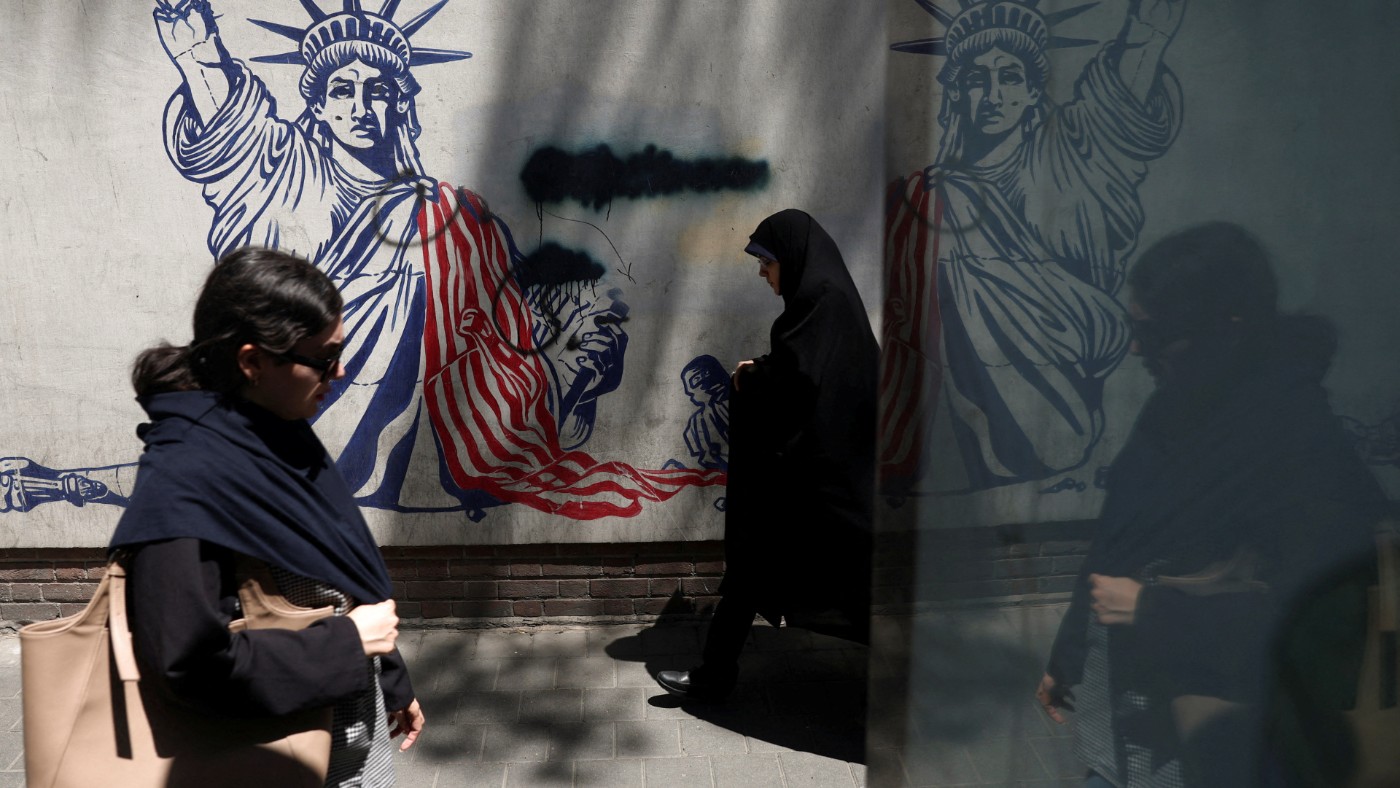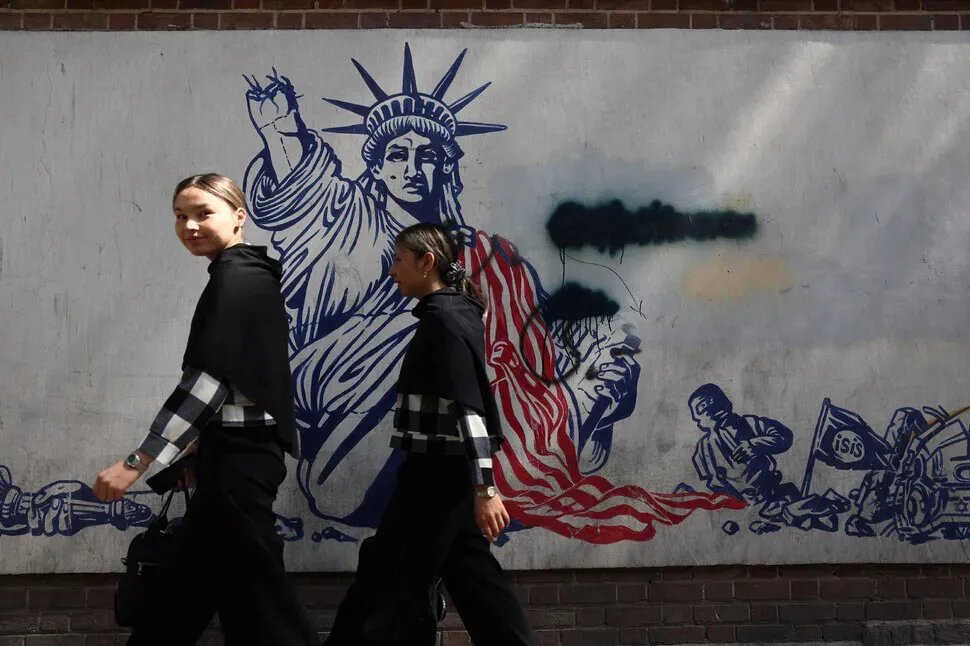
Women walk past an anti-American mural in Tehran, Iran, on June 30, 2026. (WANA/Reuters/Yonhap)
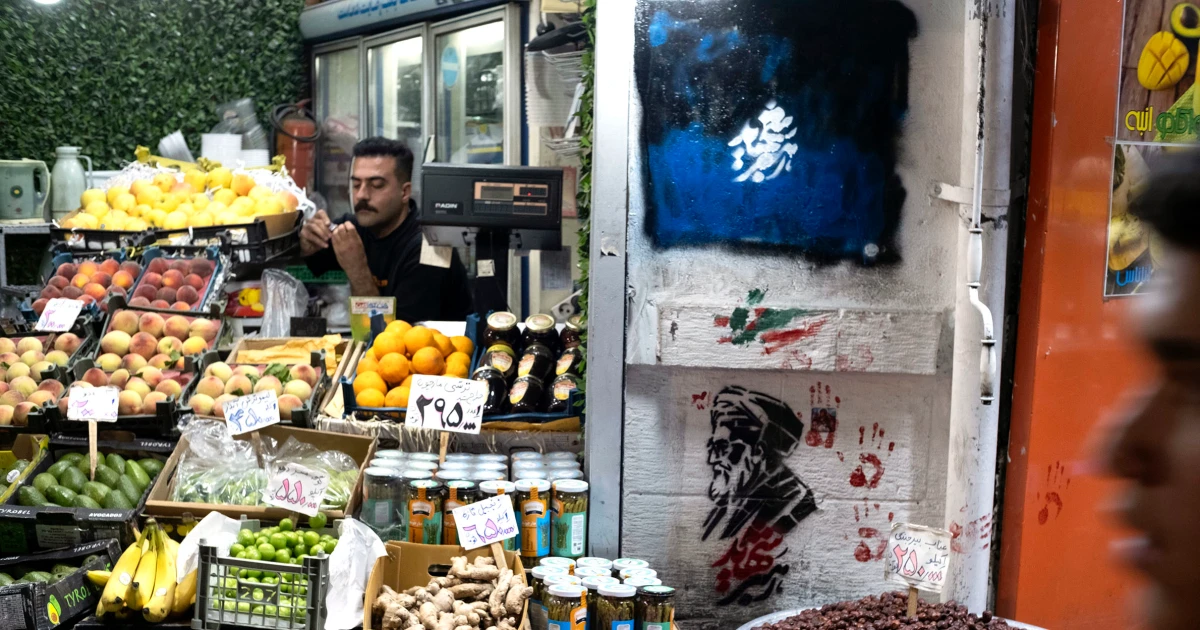
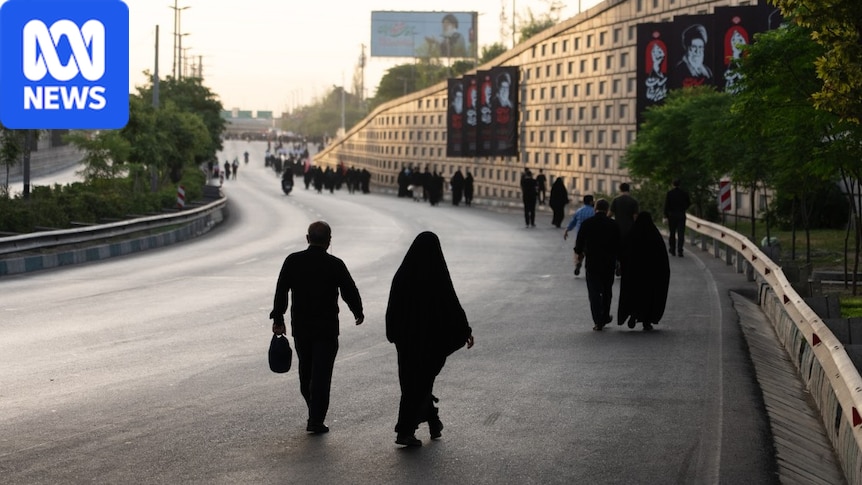
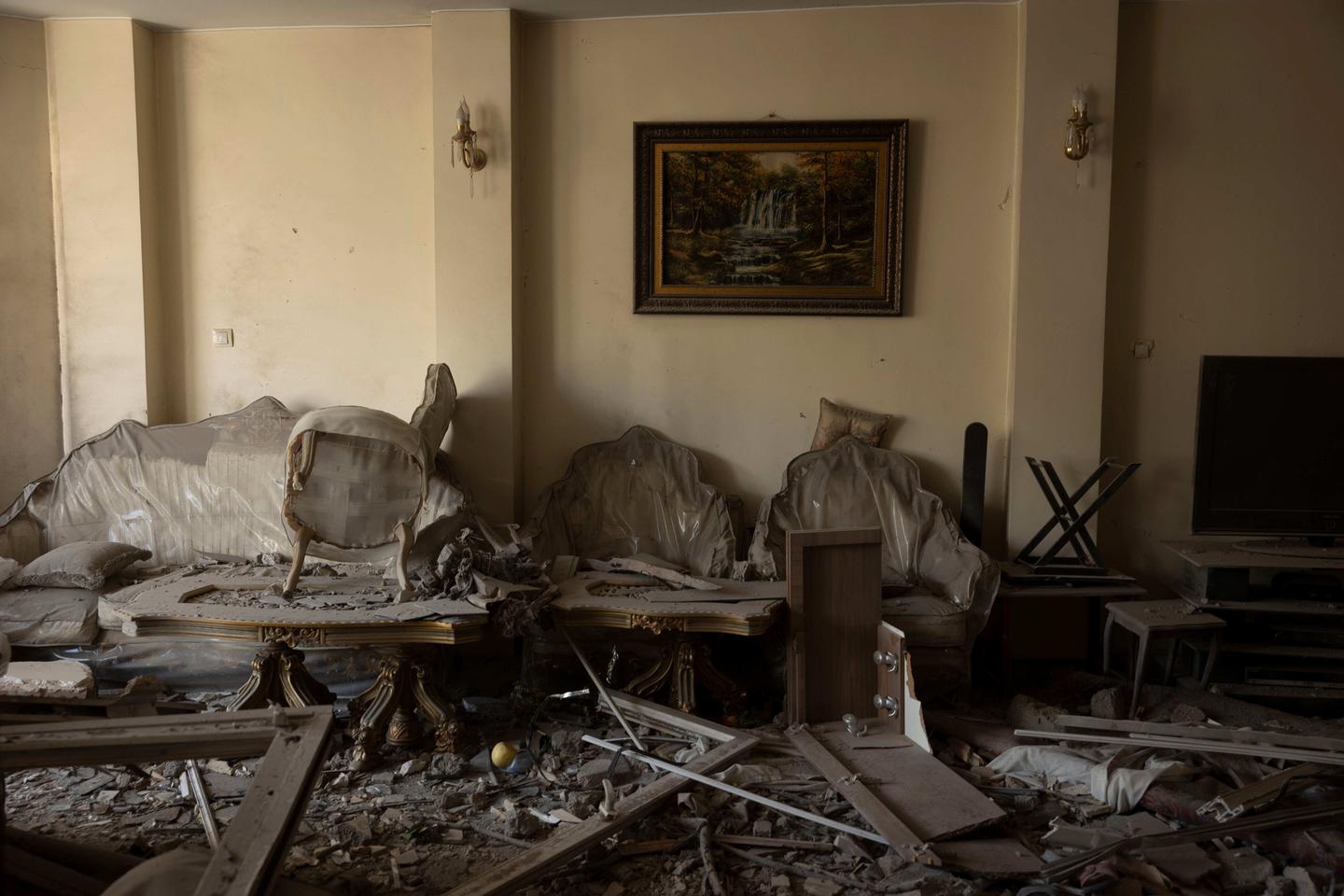
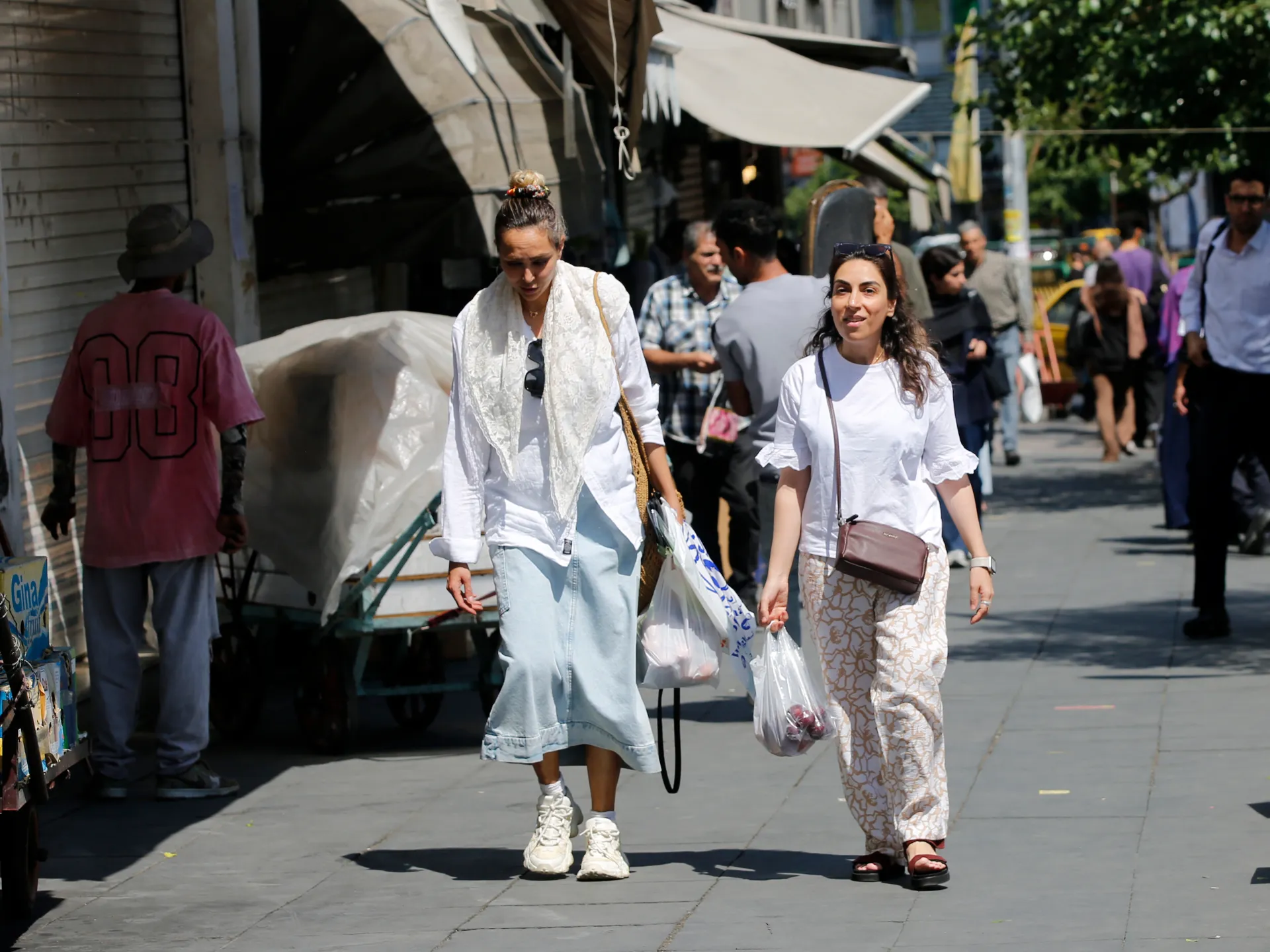
When 31-year-old Jeong Si-hun, a Korean doctoral student at the University of Tehran, returned to Iran on June 20 for the first time in 101 days, he was struck by how the airport was bustling with people, even at 3 am. Imam Khomeini International Airport was overflowing with people setting off on trips abroad after travel plans had been put on hold due to the war, and people returning to Iran after Iran and the US signed a deal to stop their war. “It was almost impossible to believe that this country had been actively participating in war until very recently,” Jeong told the Hankyoreh during a telephone interview on Monday. Jeong, who left Iran on March 12, a little more than a week after the US and Israel initiated a war with Iran, returned to complete his PhD program after receiving permission from the Korean Foreign Ministry. He did not notice the tell-tale signs of war, such as the wrecked remains of buildings, on his way from the airport to his home in Tehran, or on his way to his school. The roads, which had been completely deserted following the war, were now full of traffic, and all seven lines of the Tehran subway system resumed operations, packed with people. He could no longer see soldiers stopping random people on the streets to interrogate them or any military vehicles, both of which had been common sights during the war. A significant amount of anti-US and anti-Israel propaganda produced by the Iranian government was displayed throughout the streets. However, a closer look revealed noticeable public dissatisfaction with Iran’s economic difficulties and with the government itself. The ramifications of war were most heavily reflected in the price tags in shops and restaurants. Prices for daily necessities rose by about 50% in the 100 days since Jeong left. Drink prices at cafes were now no different from those in Korea. “Prices at decent restaurants have risen to around 10,000 to 20,000 won per person. Considering how ordinary Iranian civilians usually earn around 300,000 to 500,000 won a month, eating out has become quite difficult to afford,” said Jeong. Currently, 1.7 million rials are equivalent to about US$1, up roughly 20% from the exchange rate in December 2025, when it stood at 1.4 million rials per dollar.