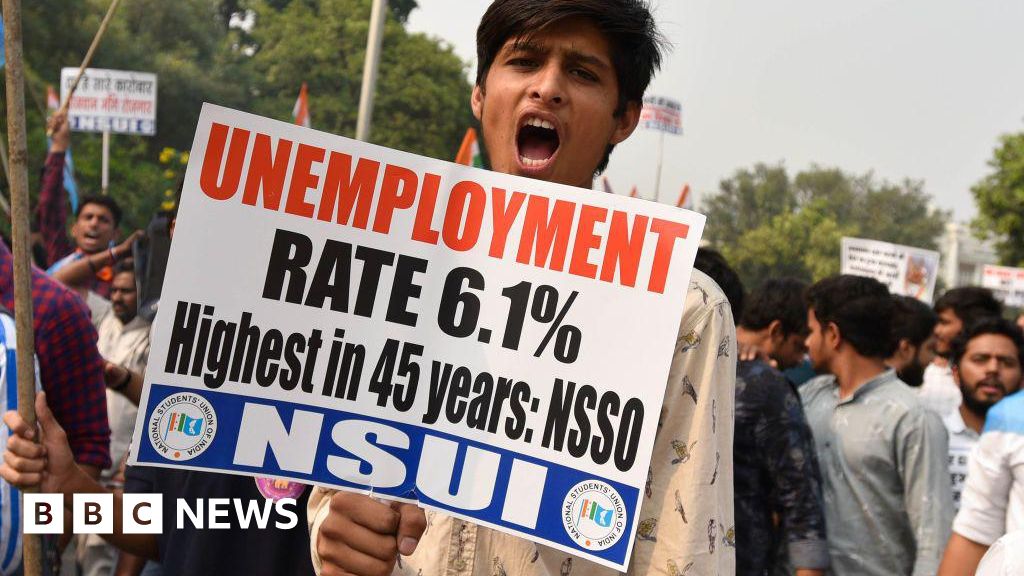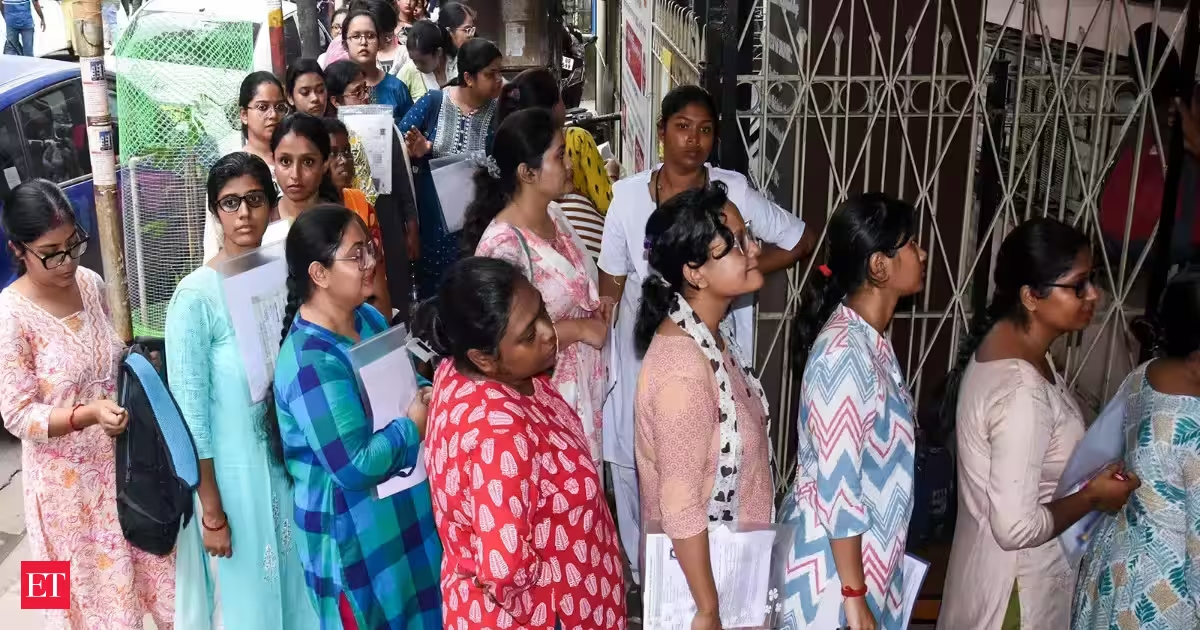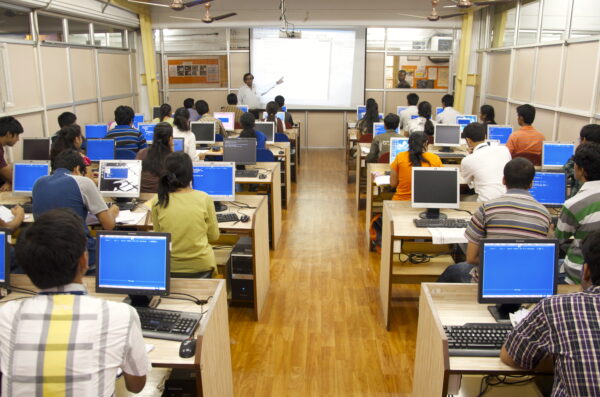
India has been struggling with a multi-faceted employment problem, which is triggering deep frustration among its youth, especially those who are educated.
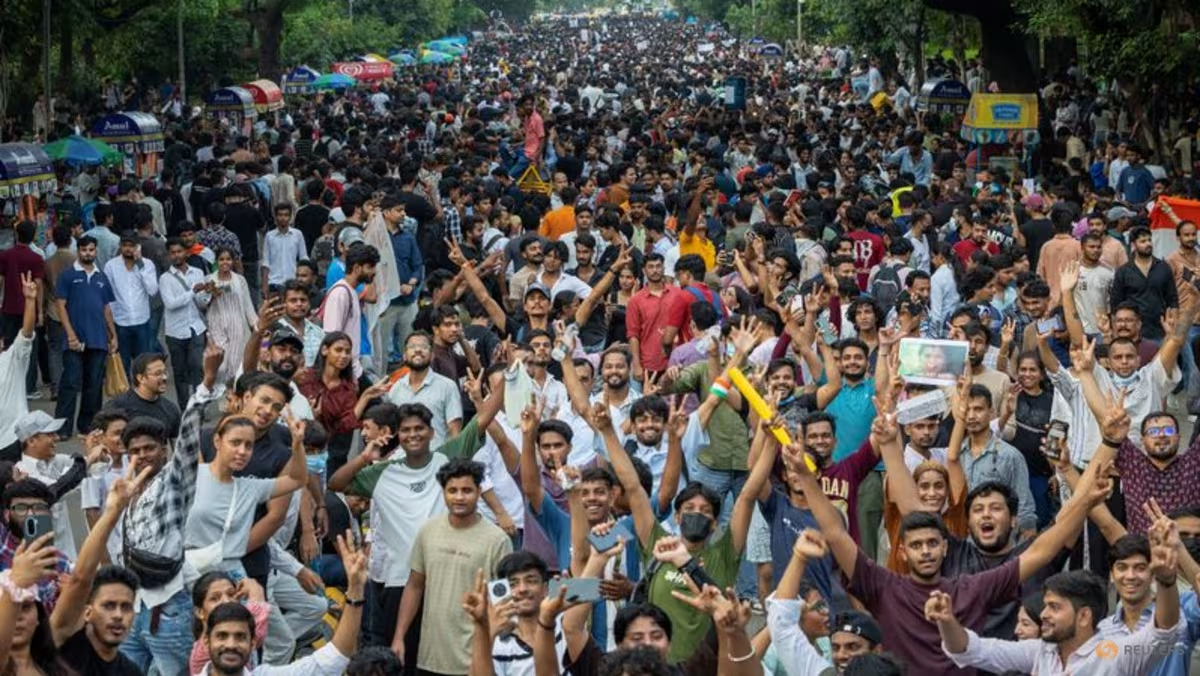
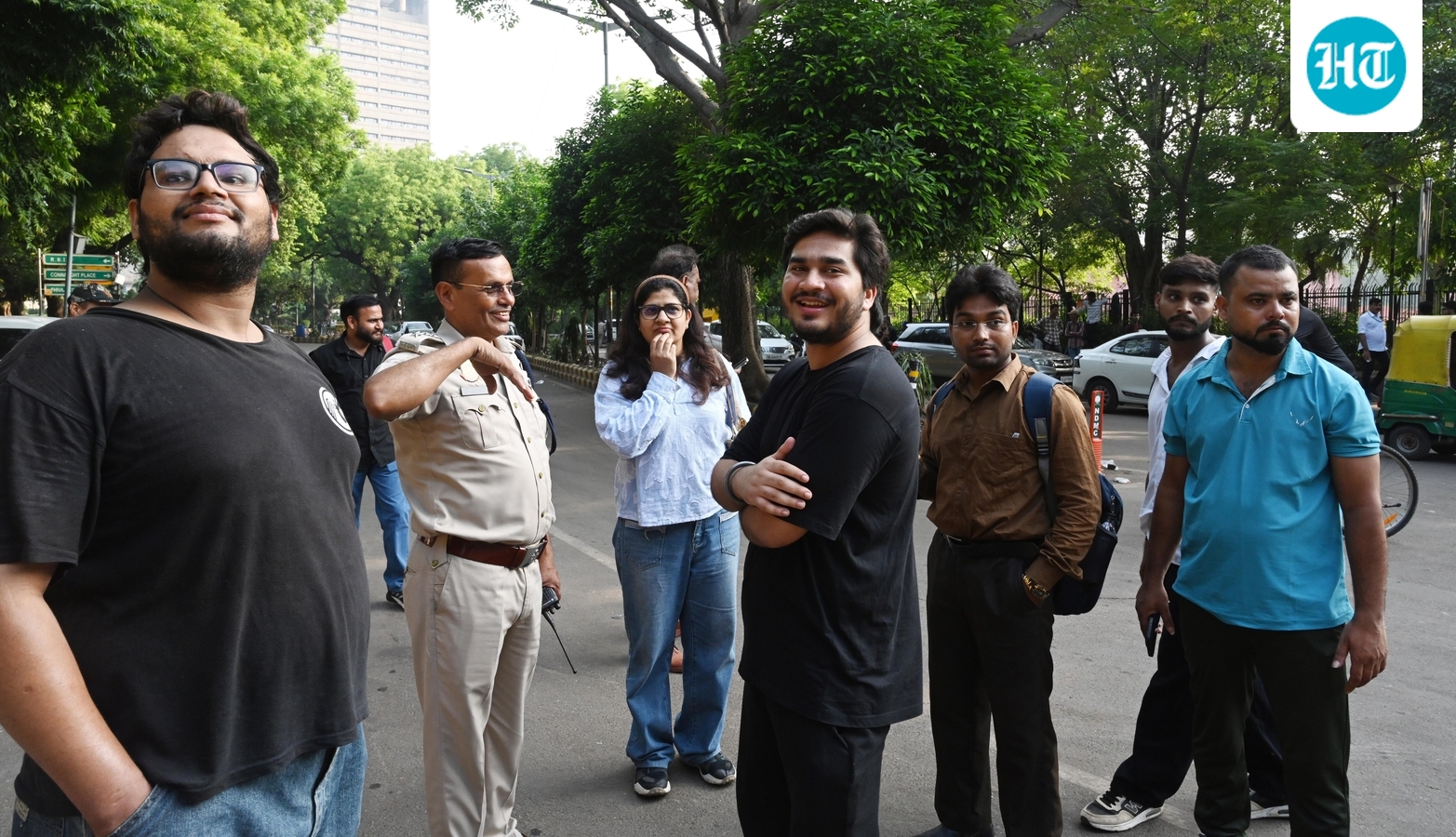
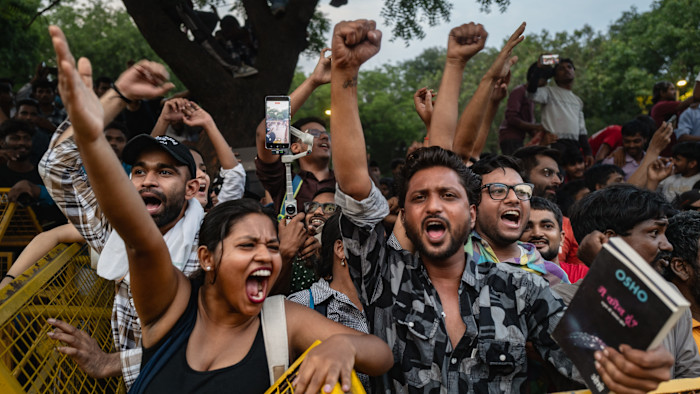
This frustration was on display recently, when tens of thousands of young women and men protested at New Delhi’s Jantar Mantar, demanding the resignation of Union Education Minister Dharmendra Pradhan. While the immediate trigger for the protests was leaked question papers for medical entrance examinations, the underlying cause is frustration with an education system that doesn’t lead to meaningful employment.
The Indian economy is among the world’s fastest-growing large economies. Yet, it is producing an ever-increasing number of educated unemployed youth.
The problems are multifold. First, India is struggling to connect education and skills with available jobs. Second, its economy is not creating good-quality employment for a rapidly expanding and increasingly educated workforce. And third, poor government recruitment has rendered generic university degrees largely useless.
The warnings have been there for quite some time. A 2018 article by Indrajit Bairagya in the Economic and Political Weekly noted that the unemployment rate among the educated is not only higher than that among the uneducated, but it also increases with higher levels of education. Youth, both educated and uneducated, are more likely to be unemployed than older people. One reason is that the educated are unwilling to take low-grade informal jobs, while sufficient regular salaried jobs are also not available.