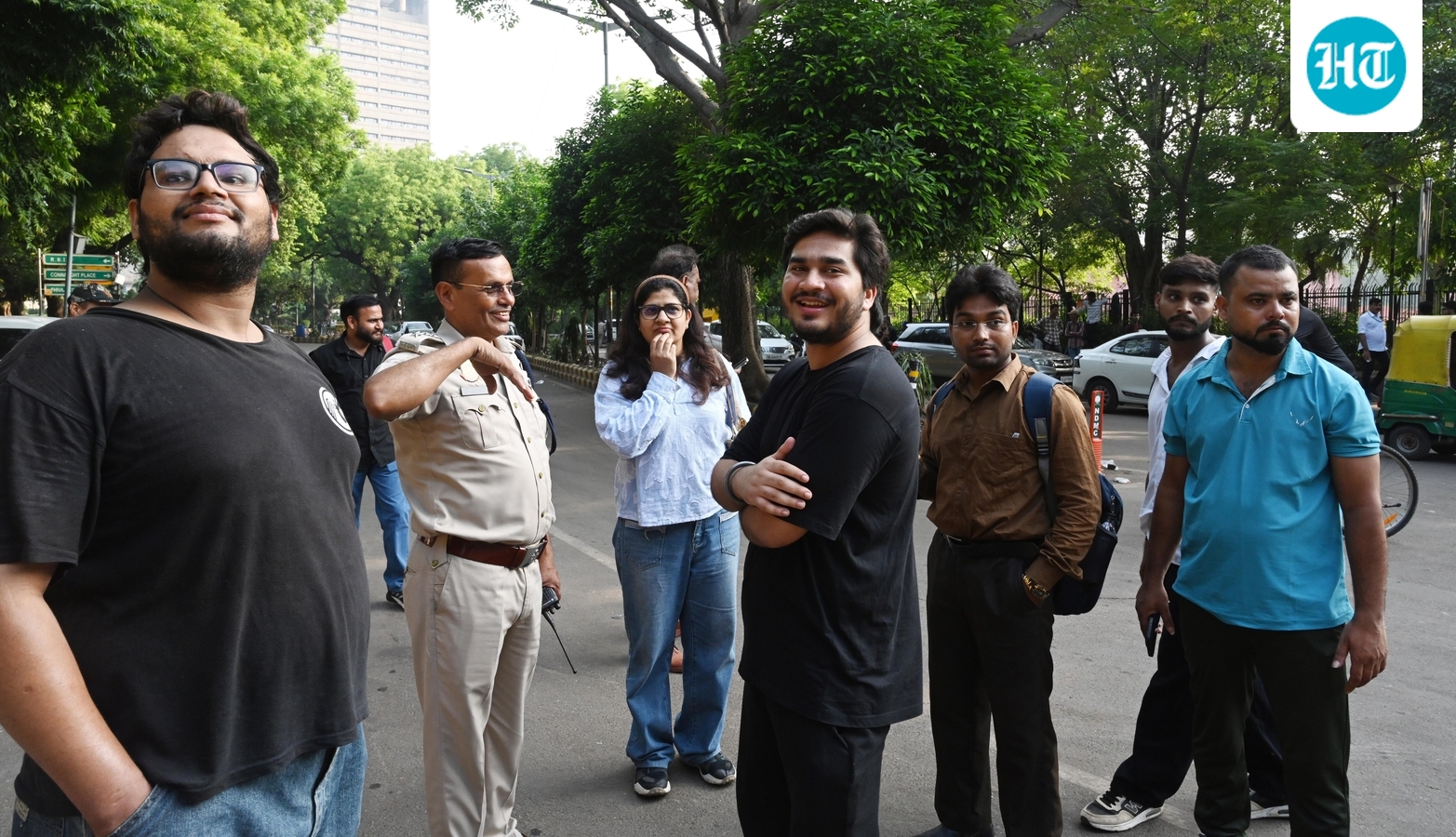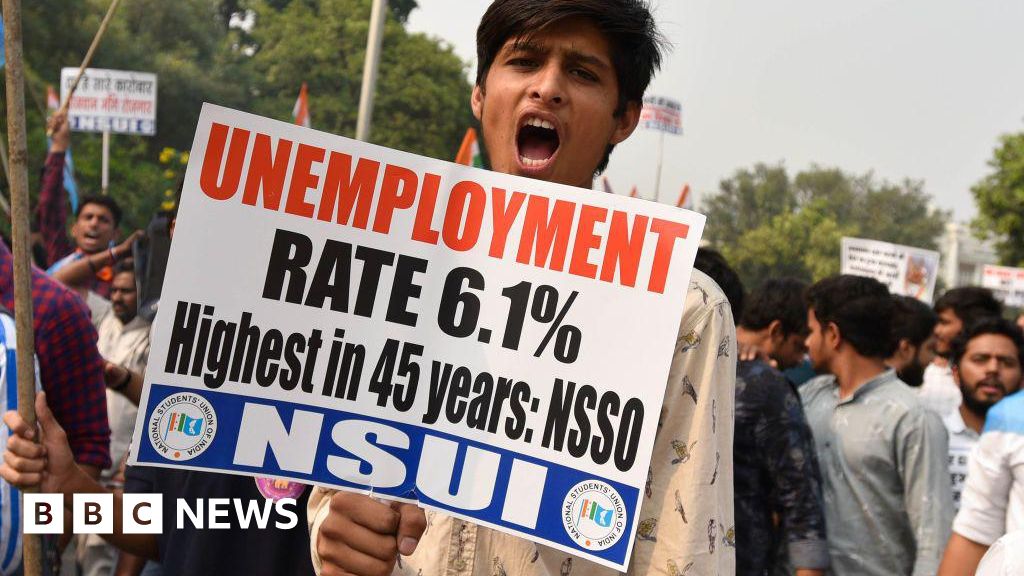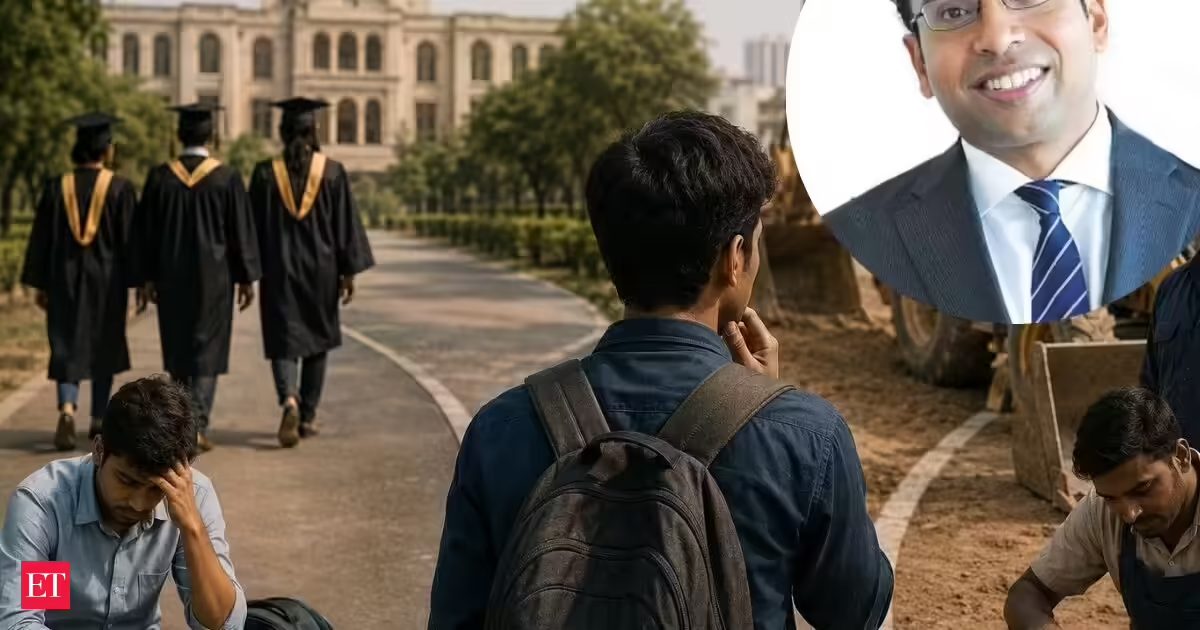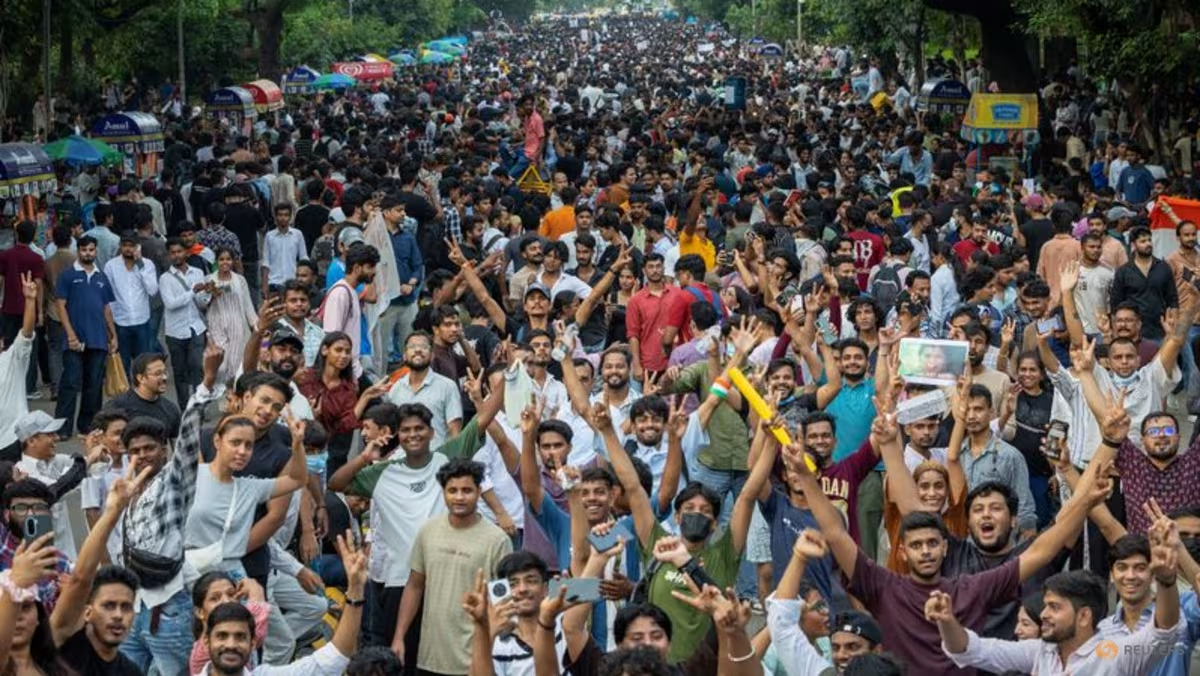
NEW DELHI: Three years after completing his master’s degree in Hindi, Vivek Kumar Jaiswal is still searching for stable work."The only jobs available are those at call centres or to fill in data entries - these pay a maximum of just US$120 a month,” he said.“My degree feels useless in this job market. I'm fighting for the same jobs as those who have dropped out of school."The 28-year-old and his two siblings depend largely on the income their father earns driving an autorickshaw.His frustration is increasingly familiar among young Indians making the transition from university to the workplace.India is one of the world’s fastest-growing economies and has rapidly expanded access to higher education. But growth in graduate employment has not kept pace with the number of graduates, researchers say.For Jaiswal, the anxiety over his economic prospects – and being stuck in a cycle of part-time work – drove him to join a protest by the Cockroach Janta Party (CJP) in July.The movement began as online satire but grew into one of India’s biggest youth-led protest movements in years, drawing thousands to the streets.Sparked by repeated exam paper leaks, the protests have forced the government into talks and exposed deeper frustrations over India’s education system, jobs and fairness.As Jaiswal stood among thousands of young Indians calling for reforms to the country’s education system, his concerns went beyond the classroom: finding a decent job."I was angry. All of us want to improve our lot in life - but to do that there needs to be good jobs in the market."
India is producing millions of graduates, but where are the jobs?
Youth-led protests seen across the country in recent weeks over exam irregularities have also tapped into wider anxiety over unemployment.
727 words~3 min read