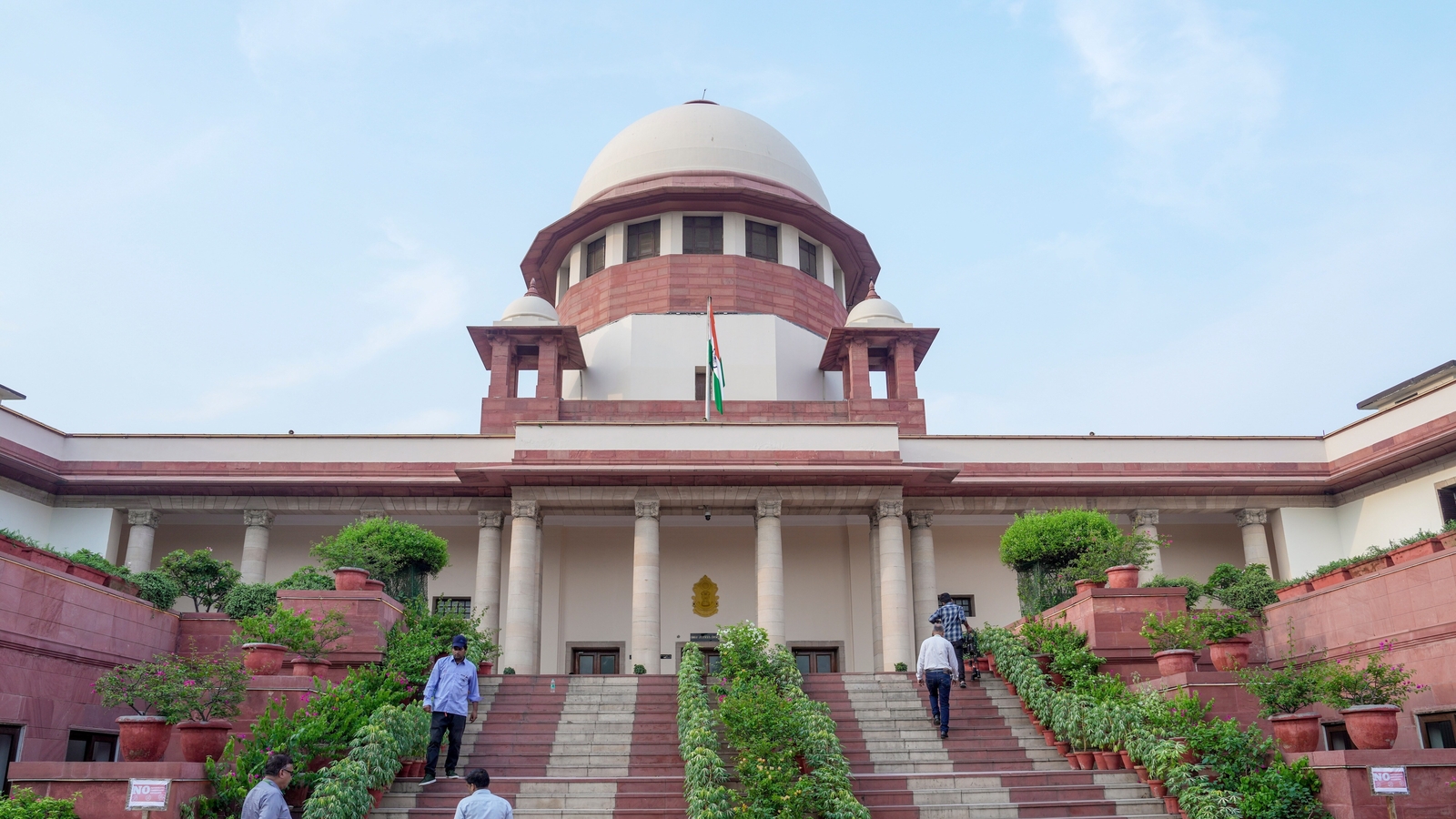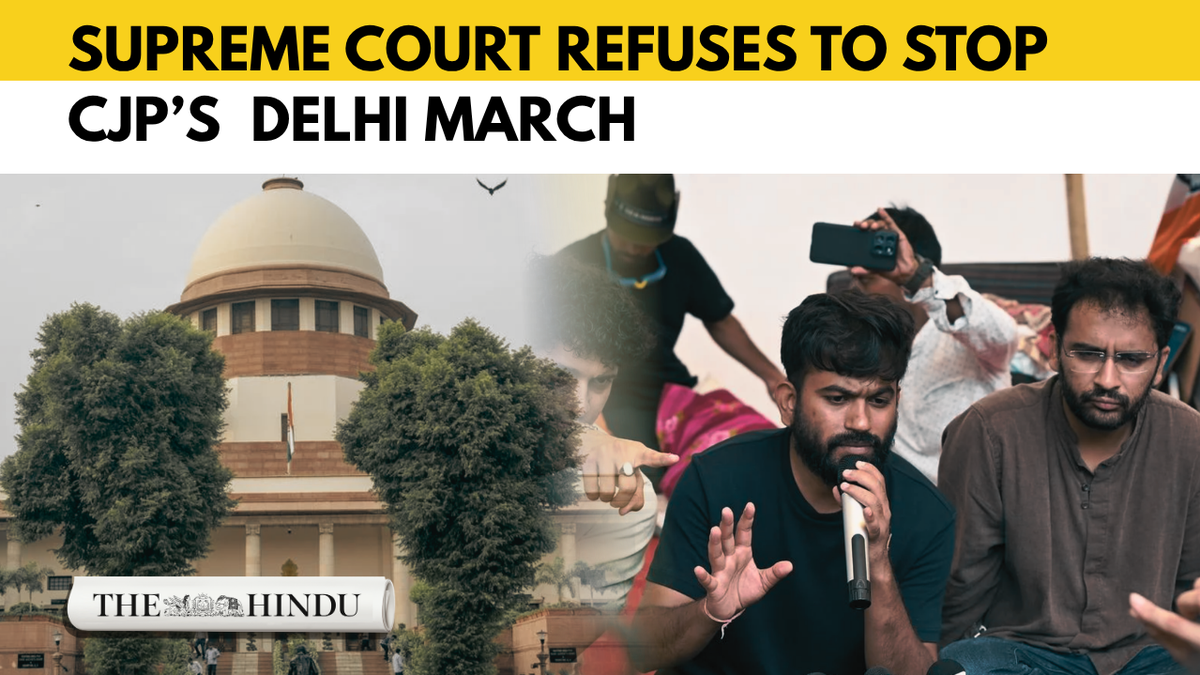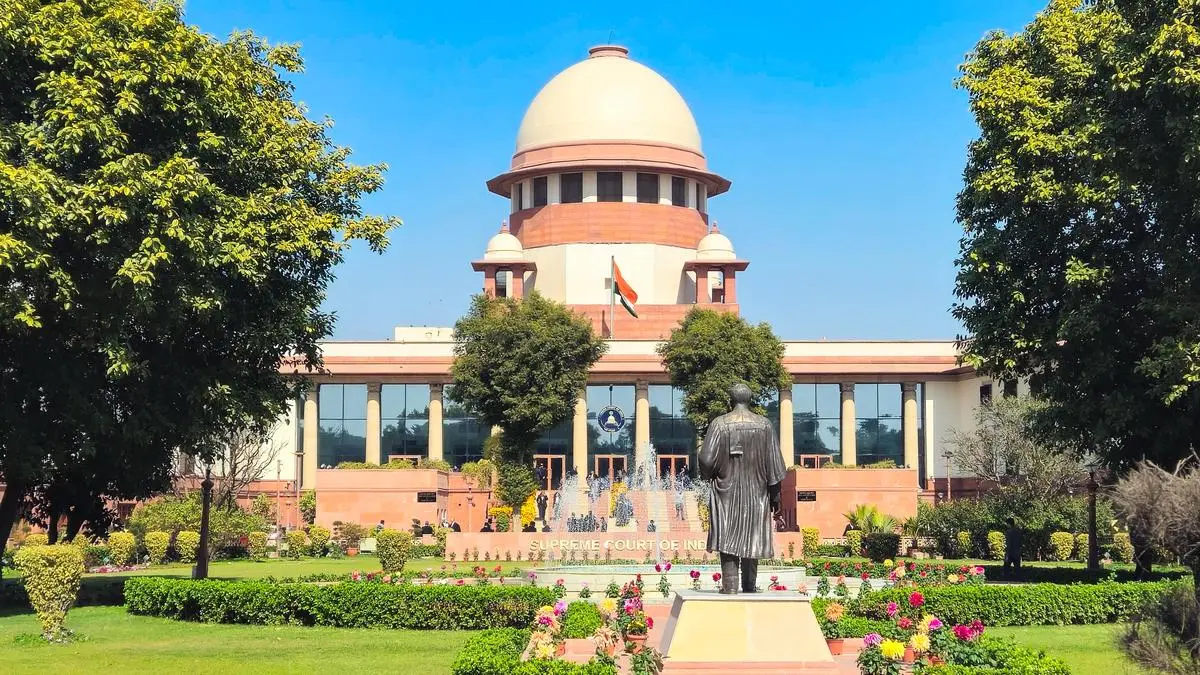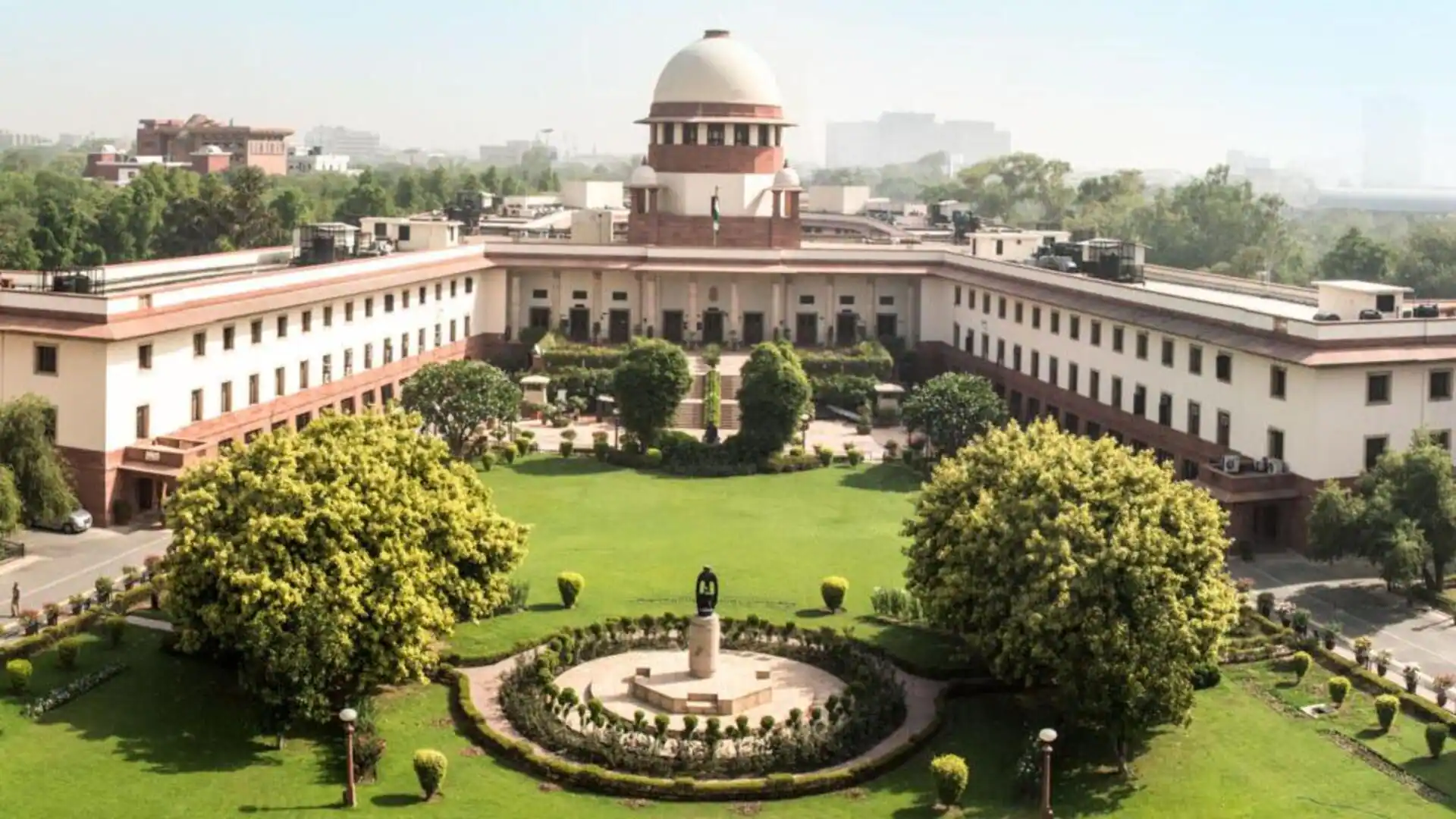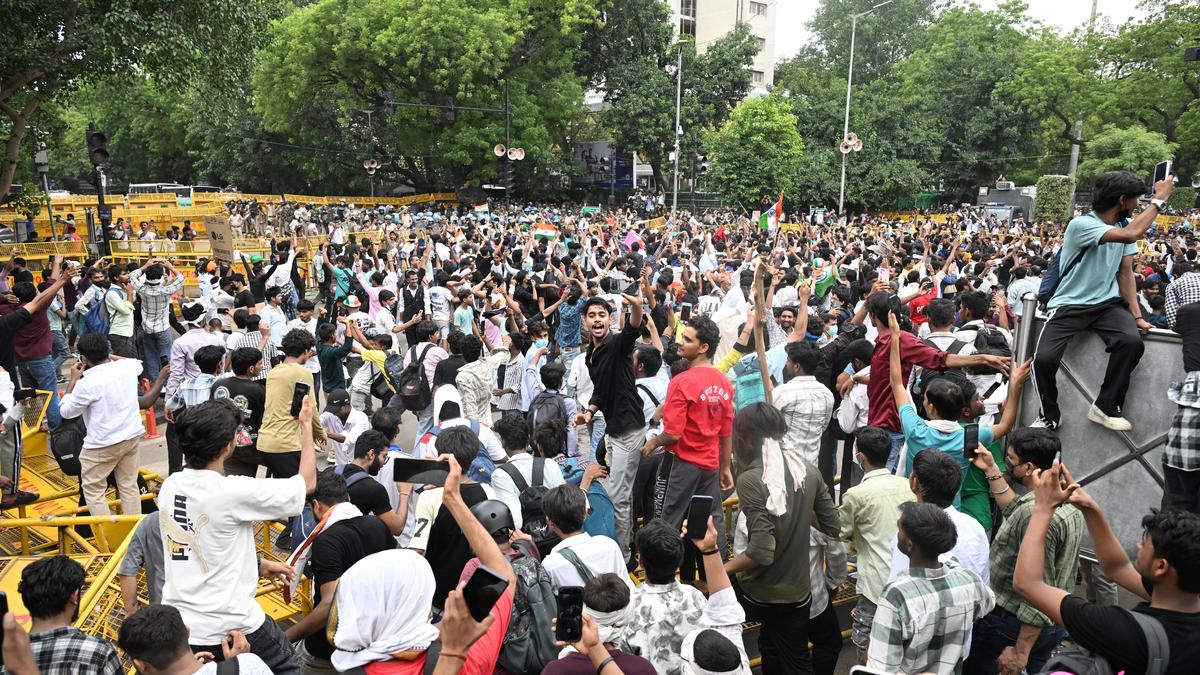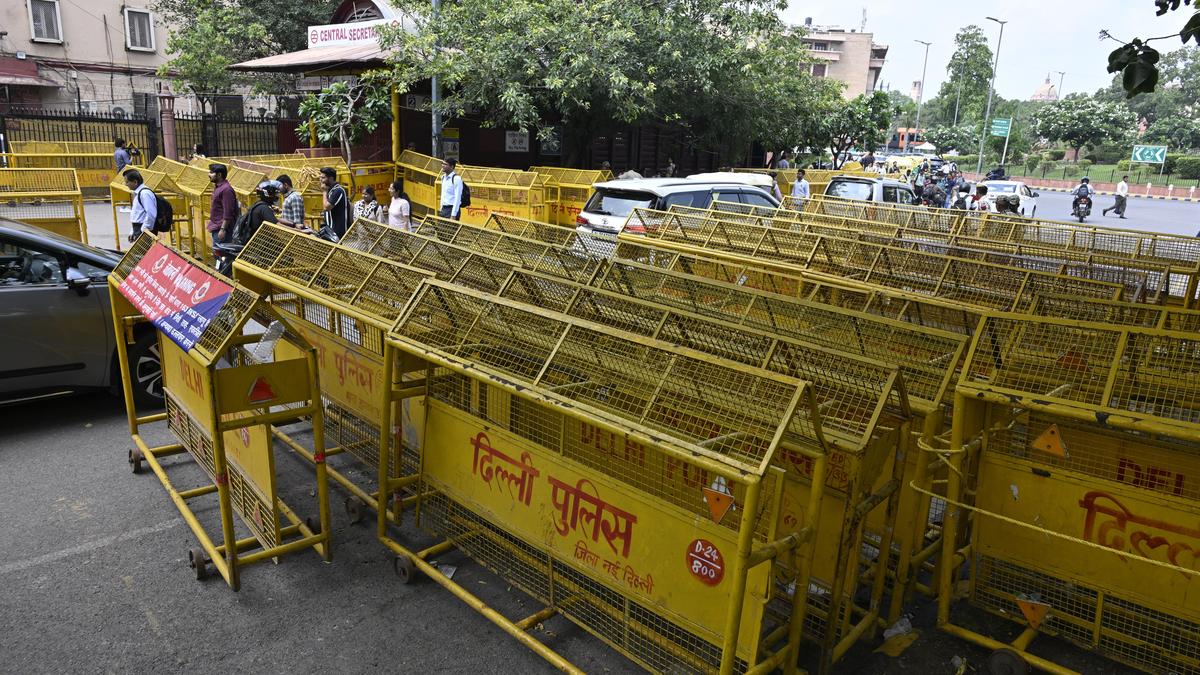
The Supreme Court on Monday declined to pass an urgent order restricting the march that the Cockroach Janta Party has planned in Delhi on September 5, Live Law reported.A bench headed by Chief Justice Surya Kant said it could not presume that a law and order problem will arise because of the march. “We will, at least as of now, presume everybody will behave in a peaceful manner,” Kant was quoted as saying by Live Law.The Cockroach Janta Party had called for a peaceful march from India Gate to the Delhi Police headquarters on September 5, saying the Union government had failed to “honour its July 25 commitments” that led the political campaign to call off its protest at Jantar Mantar.The protests against alleged mismanagement of several competitive examinations began on June 6, when the Cockroach Janta Party held a demonstration at Jantar Mantar demanding the resignation of Dharmendra Pradhan, the Union education minister at the time.On July 20, thousands joined the protest. This came two days after the police forcibly took activist Sonam Wangchuk, who had been on a hunger strike for three weeks, to hospital.The protesters’ march to Parliament was met with a crackdown by police. Dozens were injured as the police used lathis and fired tear gas shells and pellet guns at the demonstrators. The police action turbocharged the agitation, which spread to other parts of the country. Pradhan resigned as the education minister on July 25.After his resignation, the political campaign called off the protests, saying that the government had accepted all its demands, including an assurance that “no punitive action would be taken against any protester, either now or in the future” in any state ruled by the Bharatiya Janata Party or its National Democratic Alliance.On July 28, the Supreme Court directed that minors who had been detained should be released and that no coercive action should be taken against protesting students as long as they did not have any “criminal antecedents”.On August 3, the court said that the states could withdraw first information reports filed against youth protesters wherever permissible. It also clarified that the term “criminal antecedents” in its earlier order referred only to “grave and heinous offences”.The Supreme Court’s order had come on a batch of petitions alleging that the police used excessive force against protesters marching to Parliament in Delhi on July 20.On Monday, retired police officer Rajender Singh filed a petition seeking directions against the proposed march. The court, however, said that the matter would have to be decided by the police, Live Law reported.The case will be heard next on September 10.Edited by Tanya Shrivastava.
Supreme Court refuses to stop CJP’s September 5 march
A bench headed by Chief Justice Surya Kant said that it could not presume that a law and order problem will arise because of the protest.
436 words~2 min read