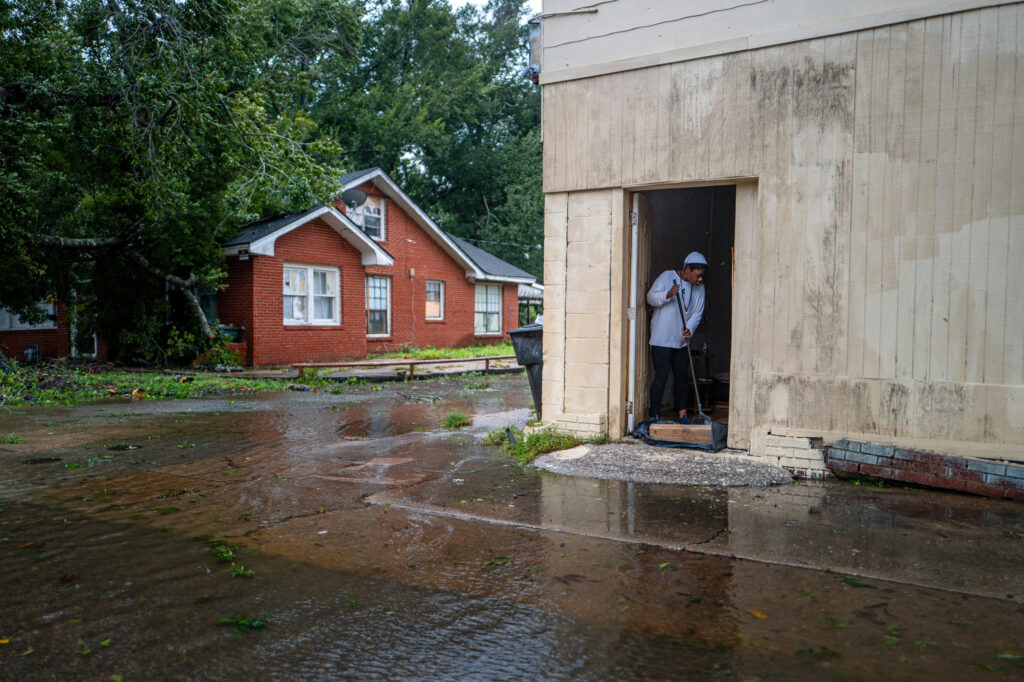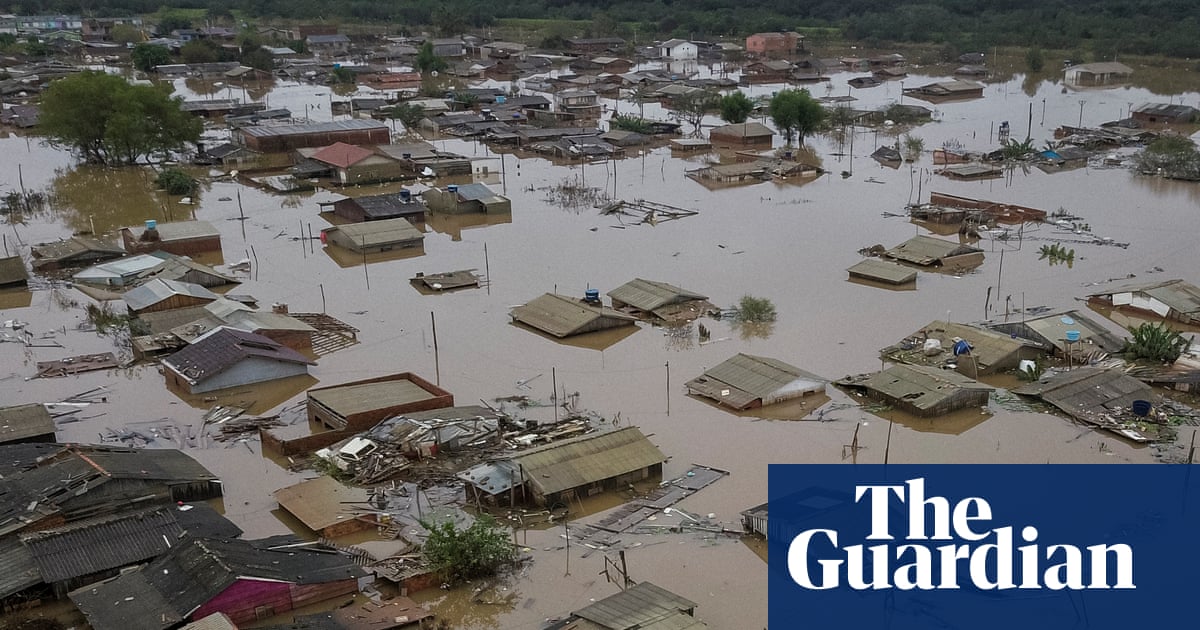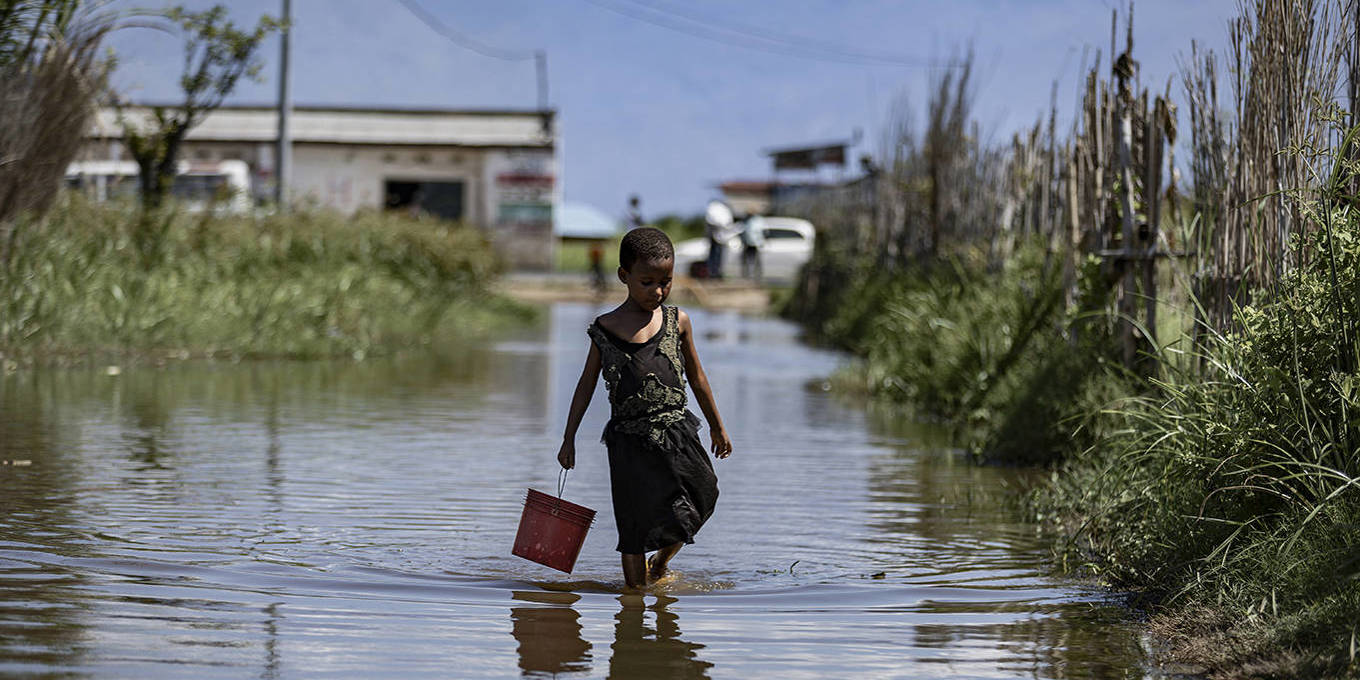
Millions of people in the Great Lakes region have spent decades displaced by conflict, but climate change is adding a new layer to the crisis. Floods, landslides and rising lake waters are uprooting communities and sometimes displacing people who have already fled violence, exposing the limits of regional approaches that treat conflict and climate displacement separately.
In May, participants at the 61st meeting of the United Nations (UN) Standing Advisory Committee on security in Central Africa reiterated their commitment to preventing internal displacement and protecting displaced people. Similar declarations have been made before, as civil wars and armed conflicts scattered millions within their own countries and beyond. Three decades on, internal displacement still lacks durable solutions.
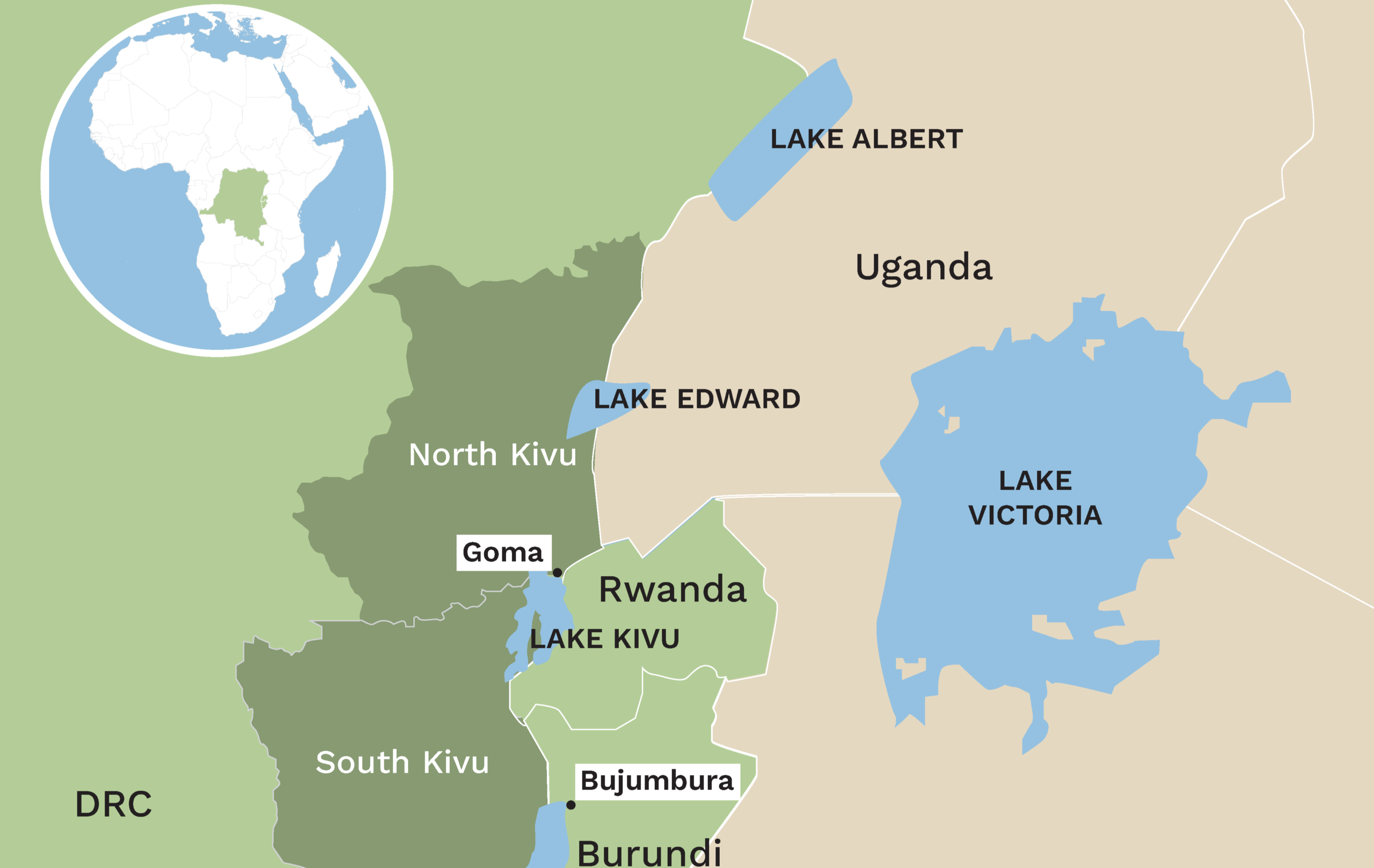
DRC, Burundi and Rwanda in the Great Lakes region
By the end of 2025, the Democratic Republic of the Congo (DRC) hosted 4.93 million internally displaced persons (IDPs) – Africa’s second largest IDP population after Sudan. Burundi counted roughly 88,800 IDPs, in addition to around 100,000 displaced since the 1993 civil war, who preferred not to return home, and have not been reported in official statistics since the 2010s.