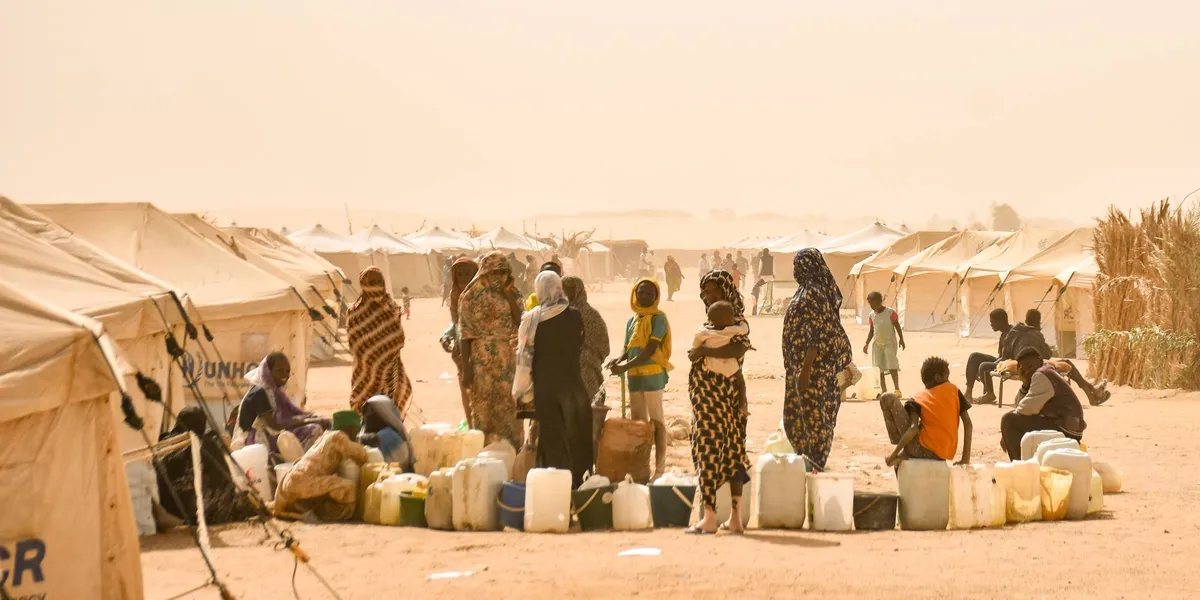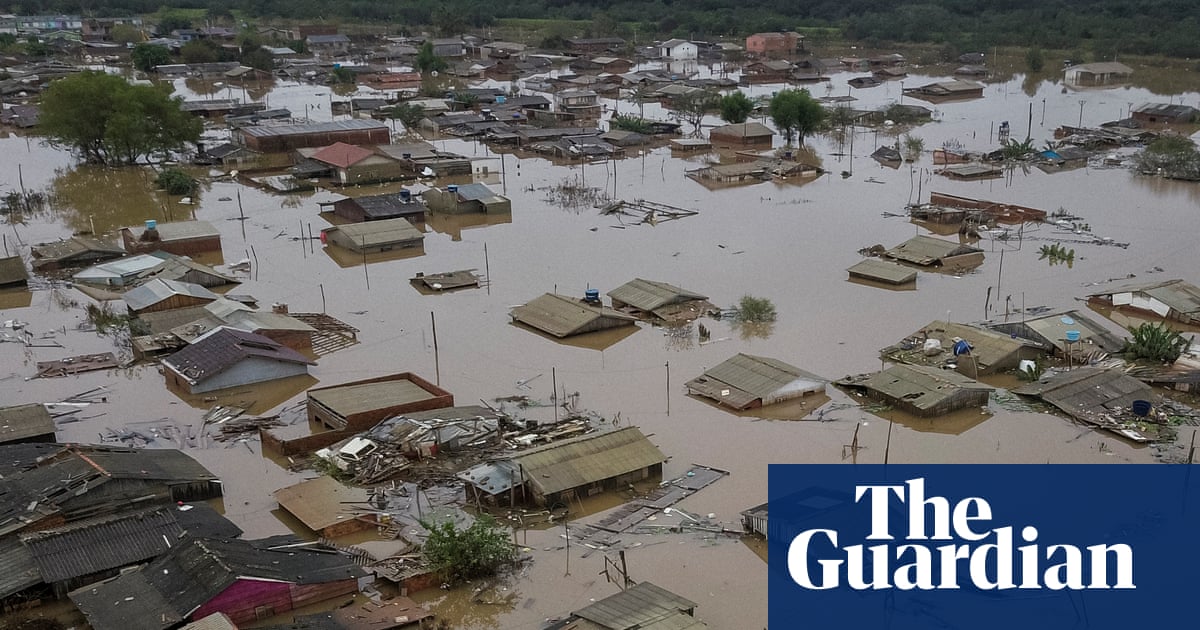
Climate change is increasingly driving displacement, raising urgent questions about development models that foster unequal growth while exacerbating ecological risk.
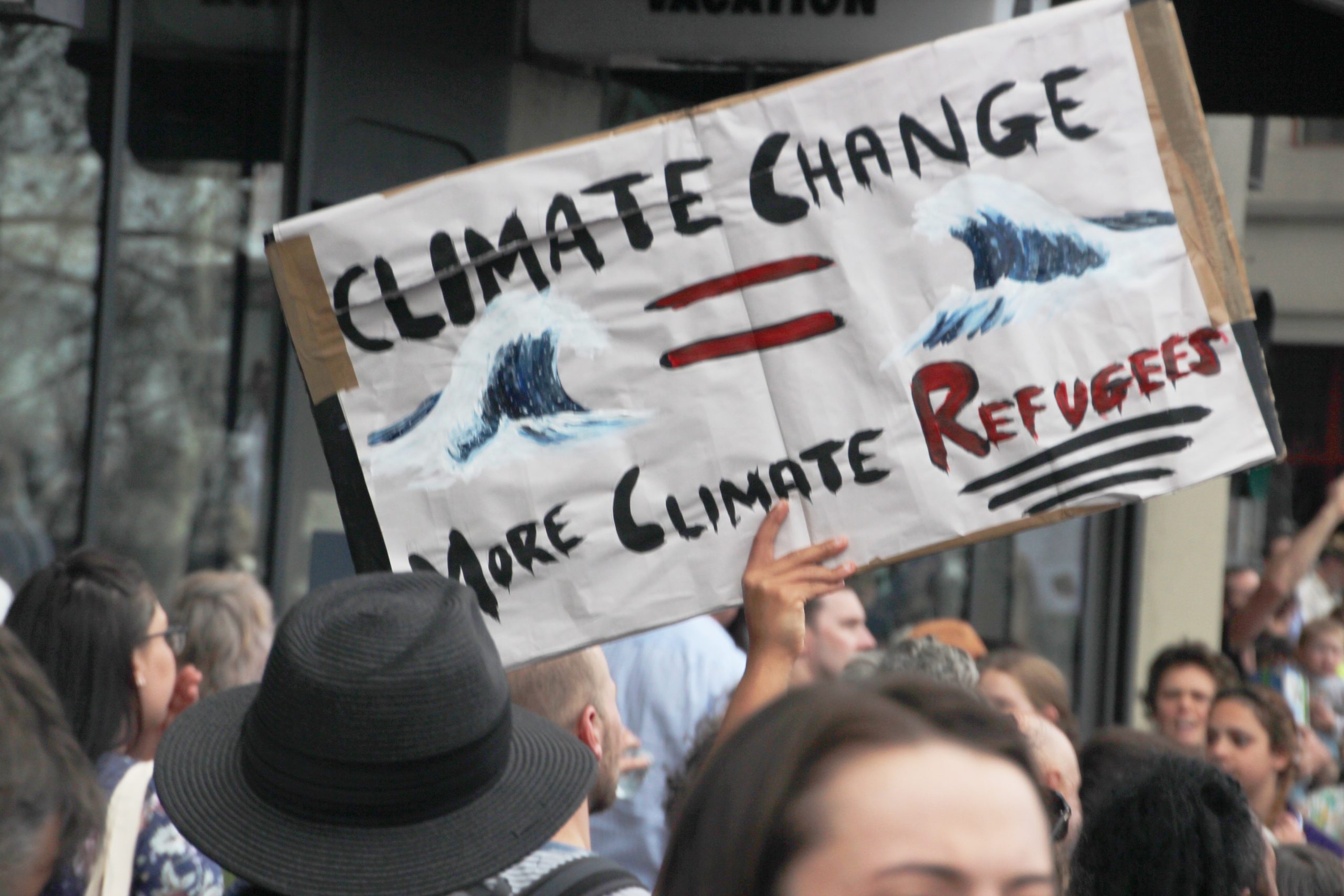
Rising sea levels, drought, desertification and ecological collapse are rendering landscapes uninhabitable. Data suggests 216 million people could be internally displaced by climate change by 2050. Photo: Takver from Australia, CC by 2.0/Wikimedia Commons
Climate change is increasingly driving displacement, raising urgent questions about development models that foster unequal growth while exacerbating ecological risk.
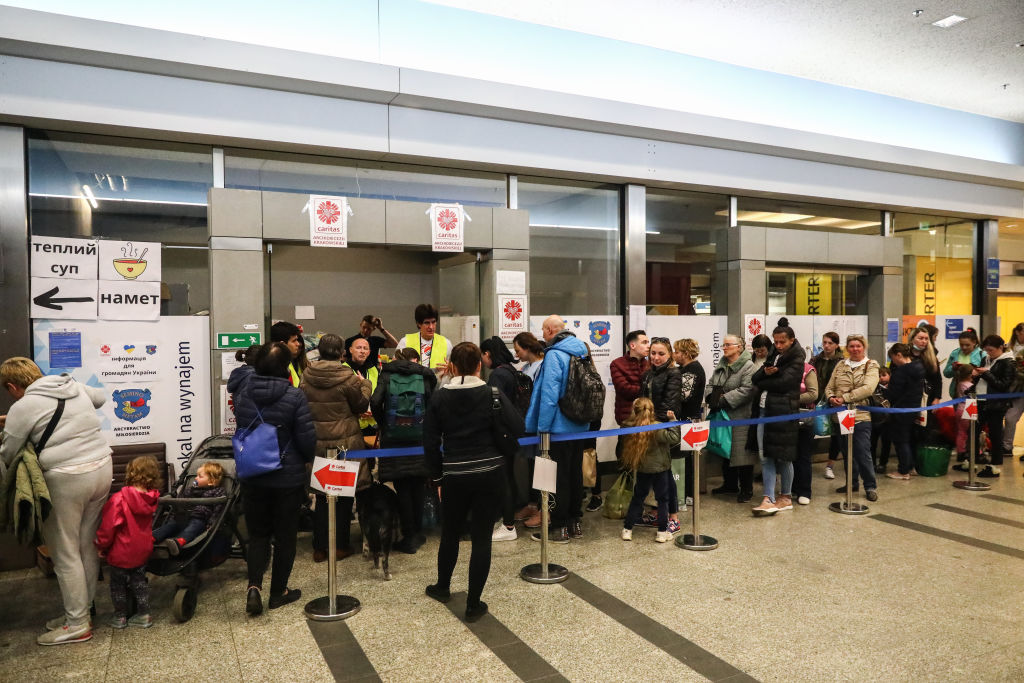
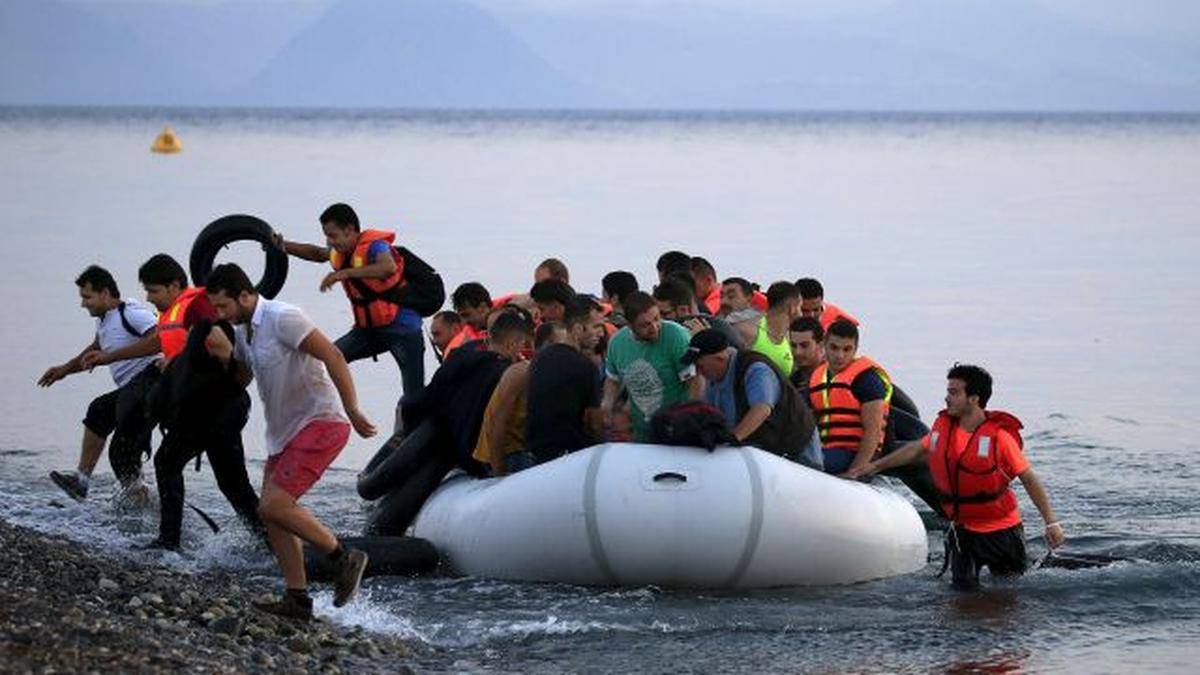
Every June, around World Refugee Day, the United Nations refugee agency releases Global Trends, its annual account of forced displacement.
We have just crossed another World Refugee Day, and the figure remains unthinkable: 117.8 million people were forcibly displaced at the end of 2025. That is one in every 70 people on earth. Although this was the first decline in a decade, displacement remains almost twice as high as it was ten years ago.