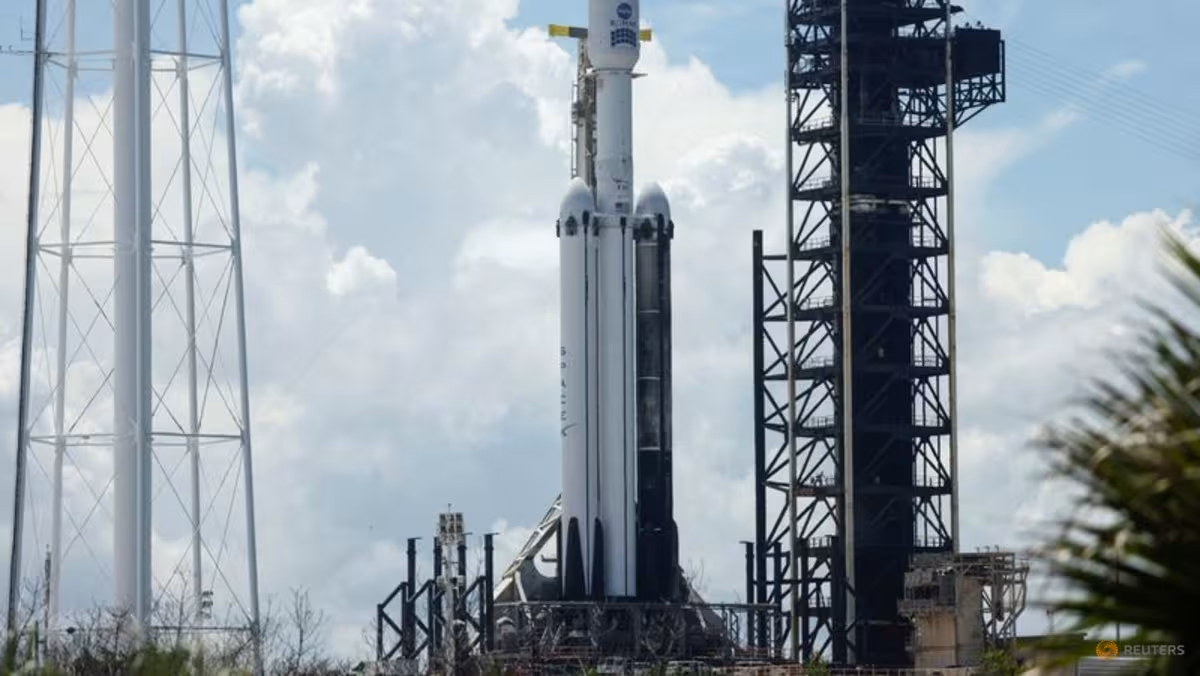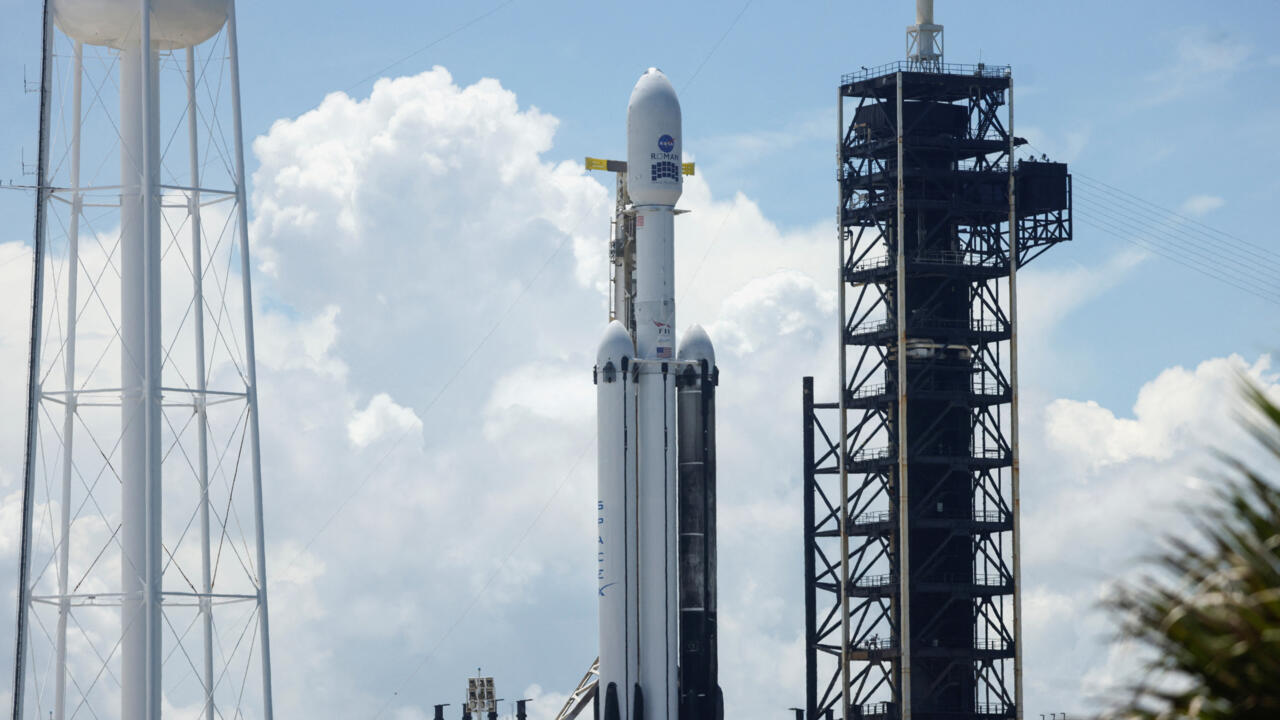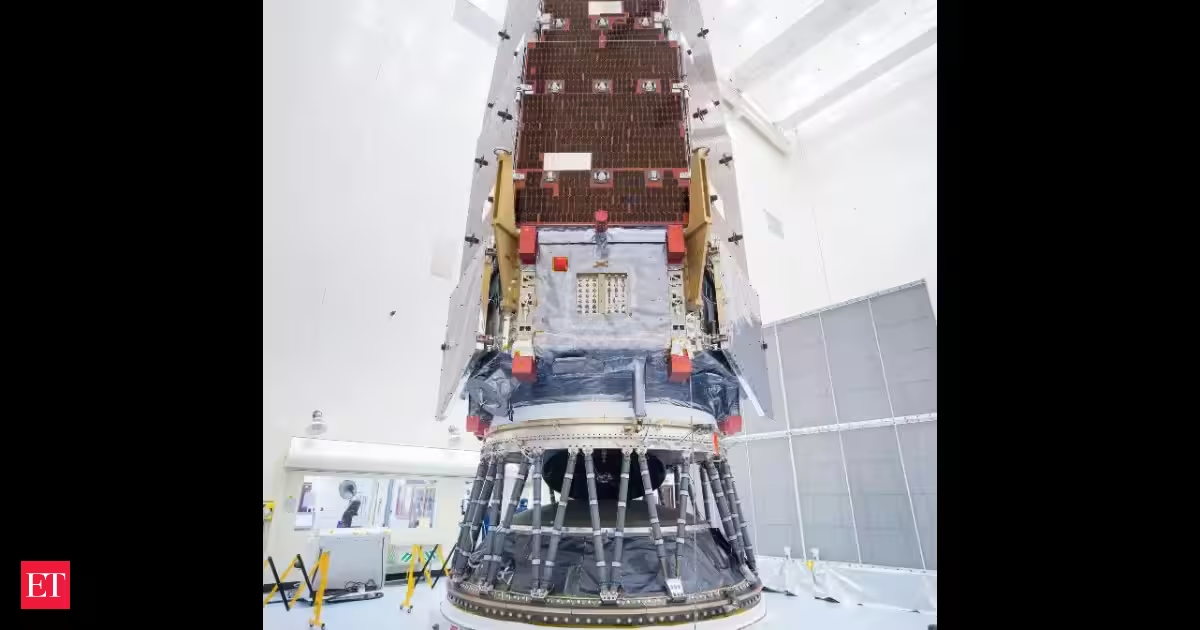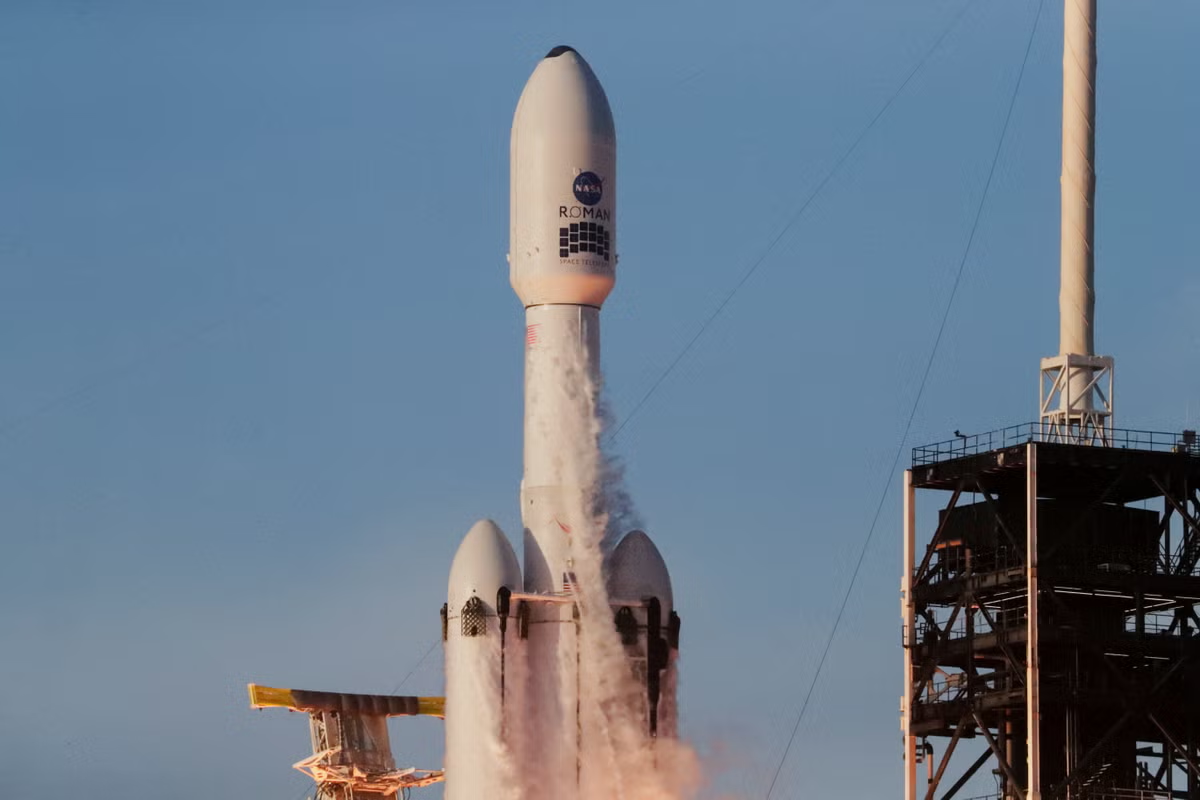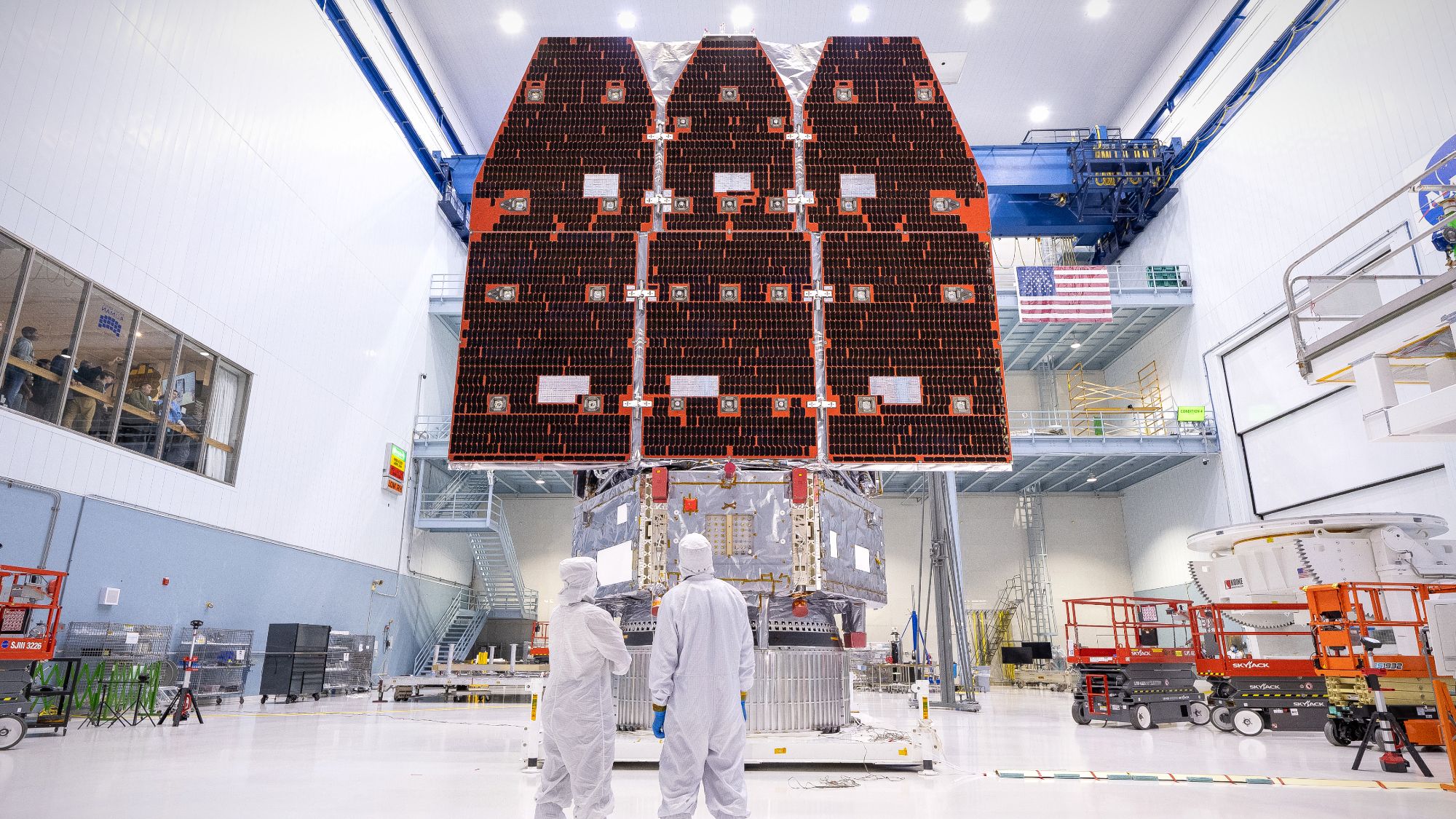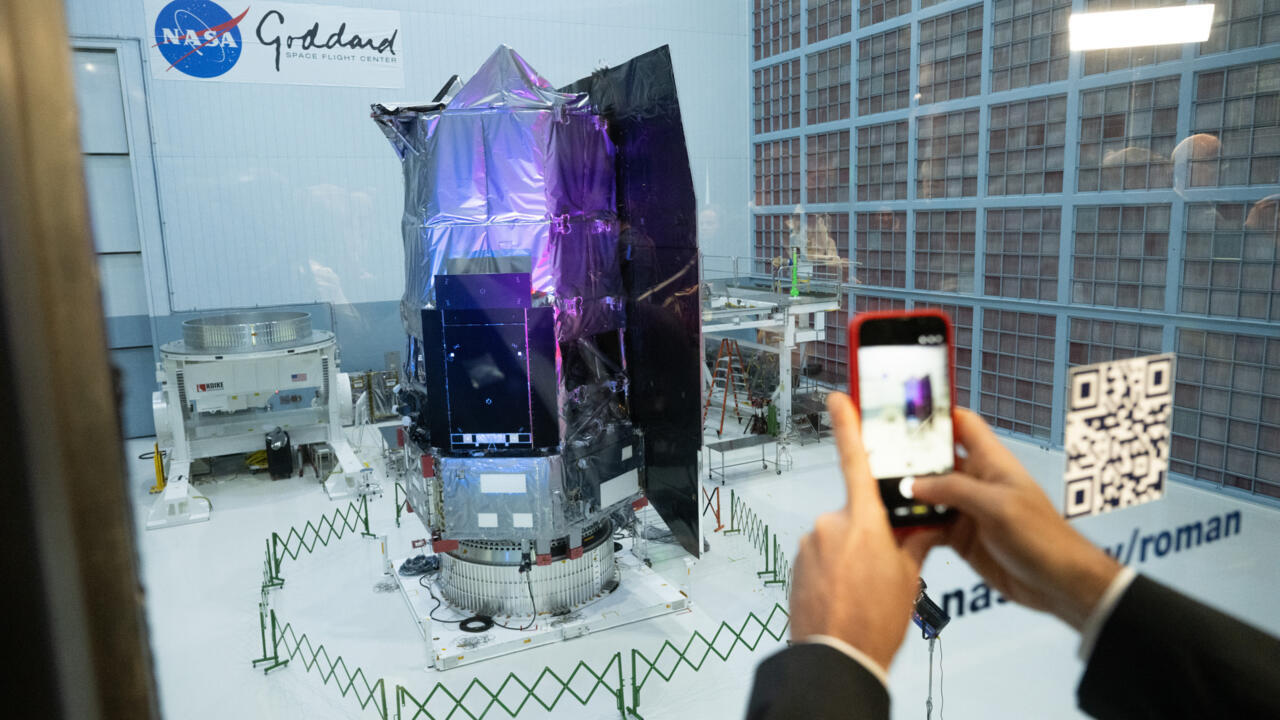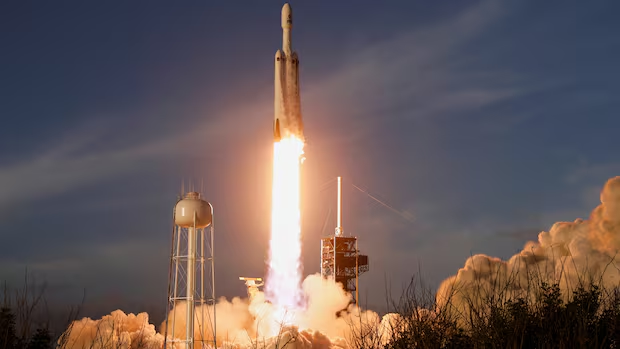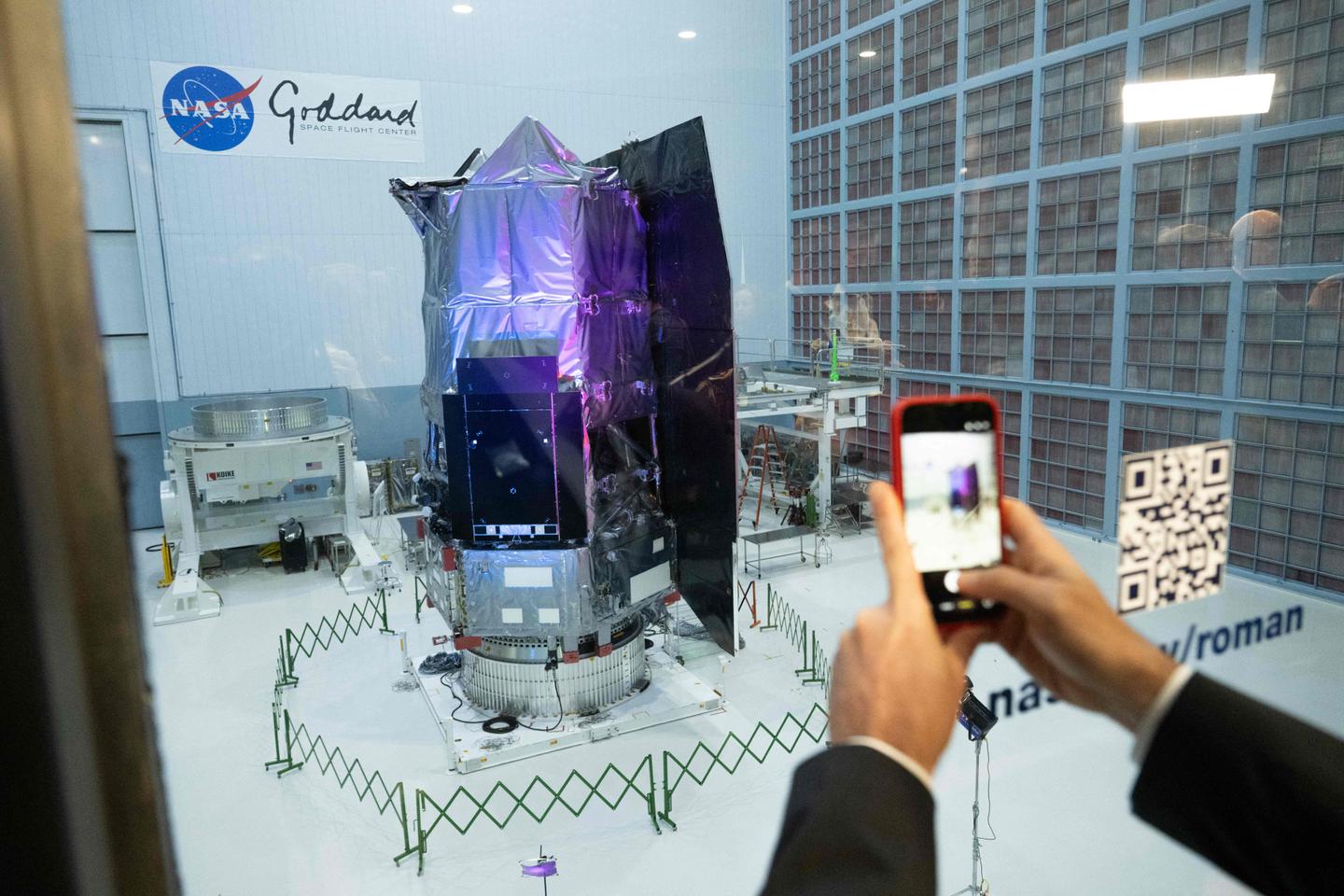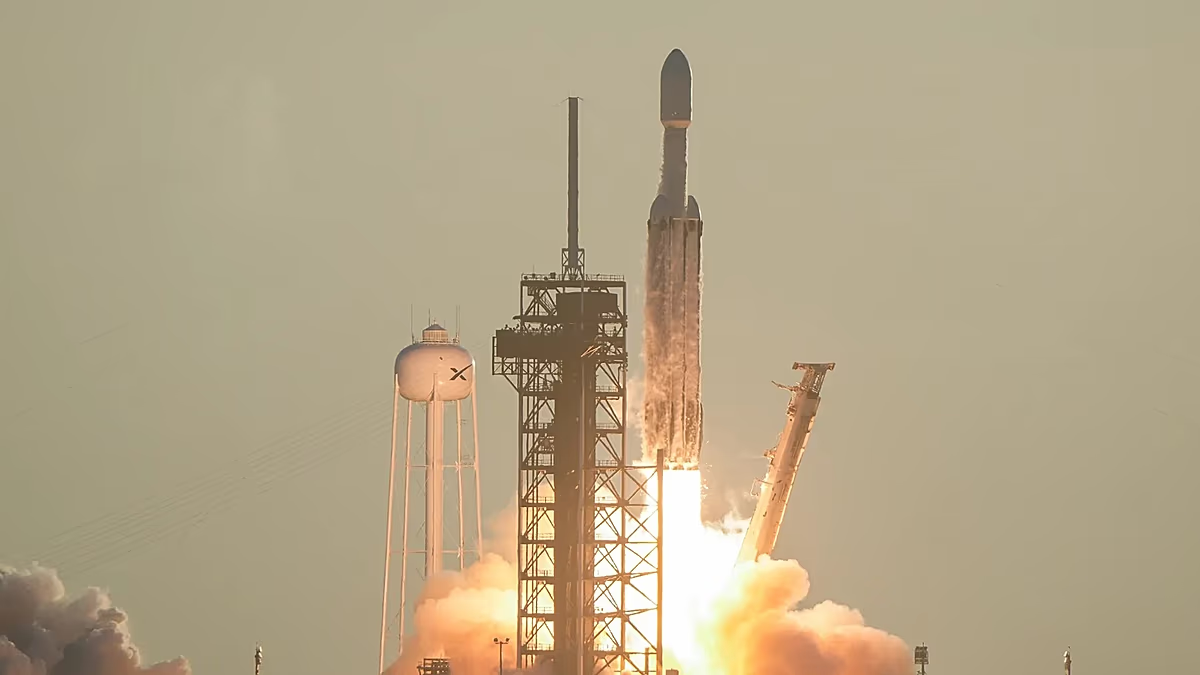
NASA launched its new flagship space telescope on Sunday, embarking on a multi-year mission to create an unprecedented map of the cosmos and shed light on some of the biggest mysteries in physics.
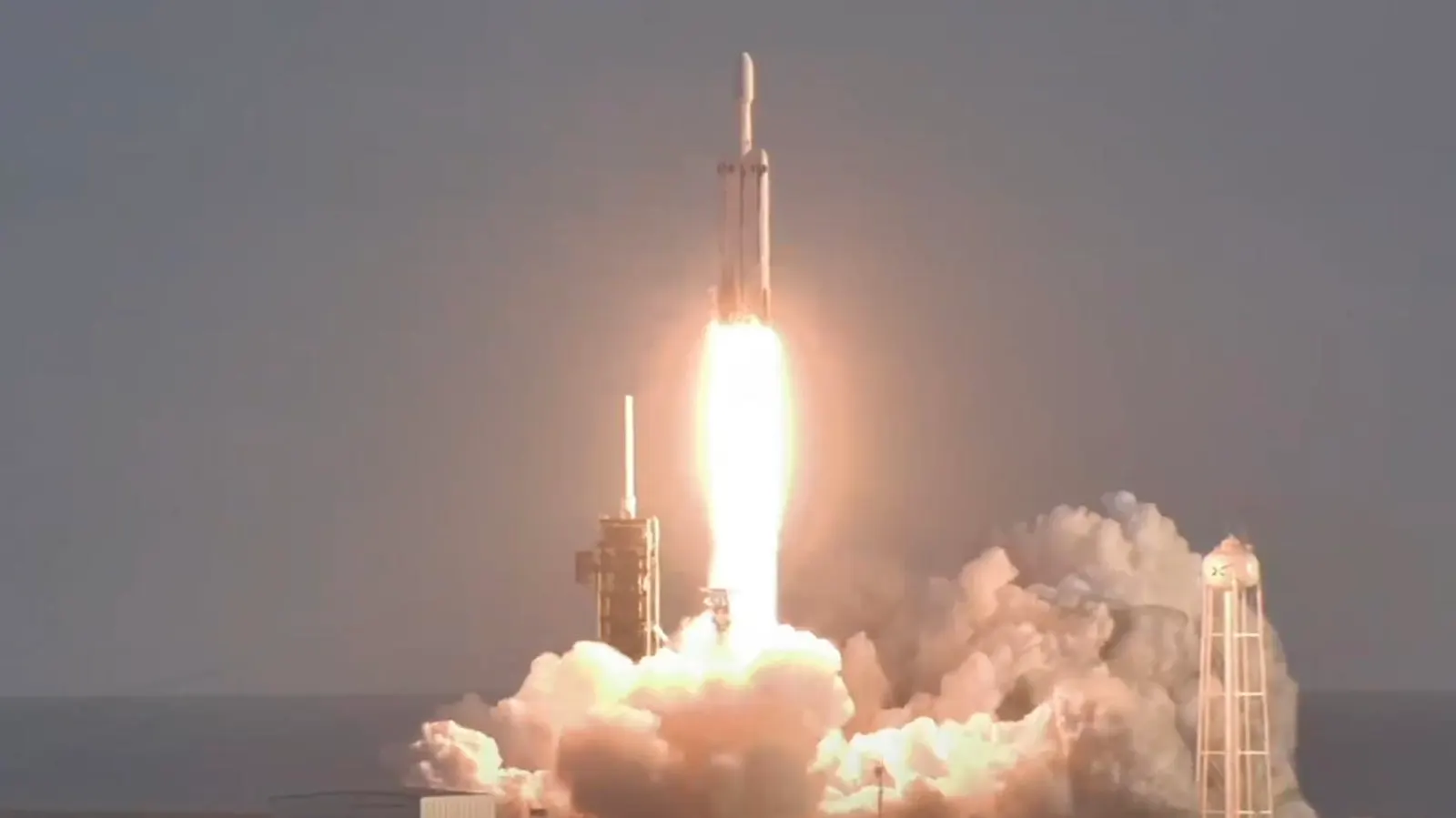
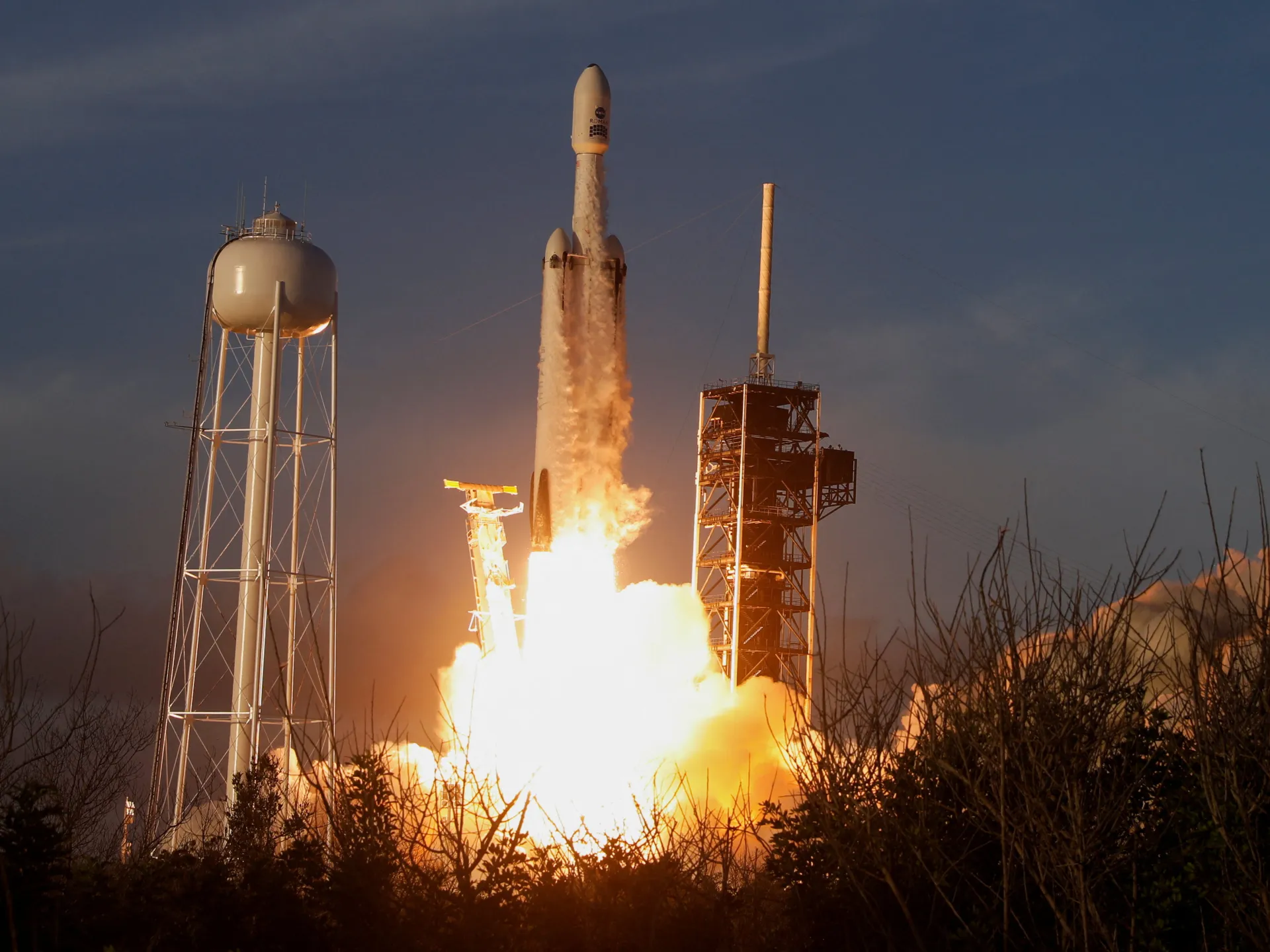
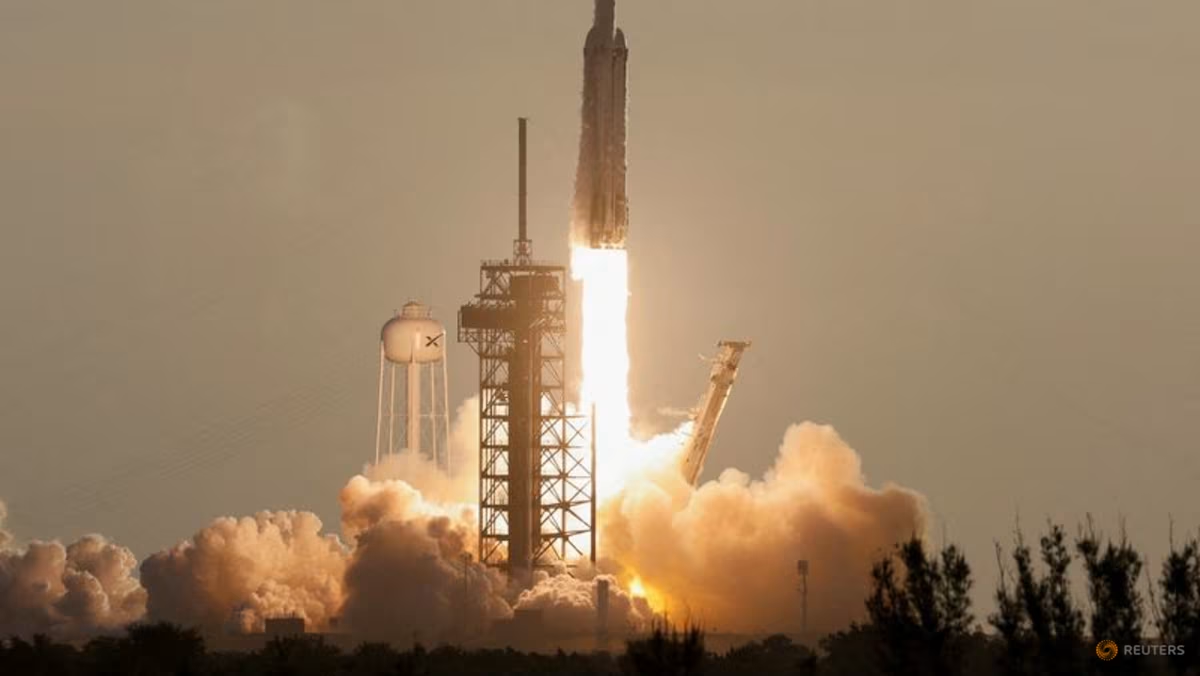
Standing more than 12 metres tall, the state-of-the-art observatory launched from the Kennedy Space Center in Florida at 7:26am local time (1:26pm CEST) aboard a SpaceX Falcon Heavy rocket.
US President Donald Trump, who phoned into NASA's post-launch press conference, congratulated the agency on the launch, calling it part of "the golden age of America".
Developed over more than a decade at a cost topping $4 billion (€3.4bn), the telescope is named after pioneering US astronomer Nancy Grace Roman, who became known as the "Mother of Hubble," another of NASA's flagship telescopes.
While Hubble revealed that the universe is expanding faster than previously thought, Roman will seek to answer some of the other unsolved mysteries, including those of dark matter and dark energy.