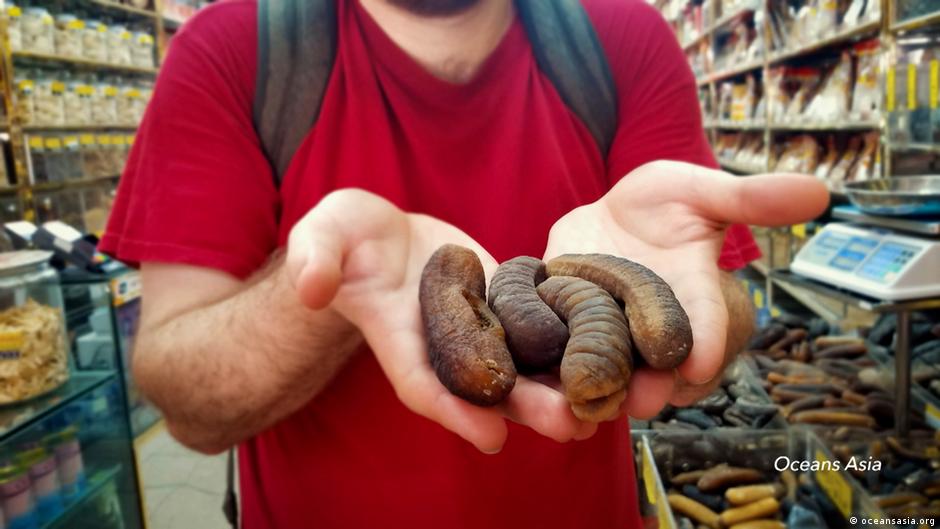
When it comes to smuggling, squishy sea blobs that spend their lives eating and pooping are probably not what comes to mind. But a group of lumpen creatures known as sea cucumbers are at the center of a $200 million (€175 million) black market trade.
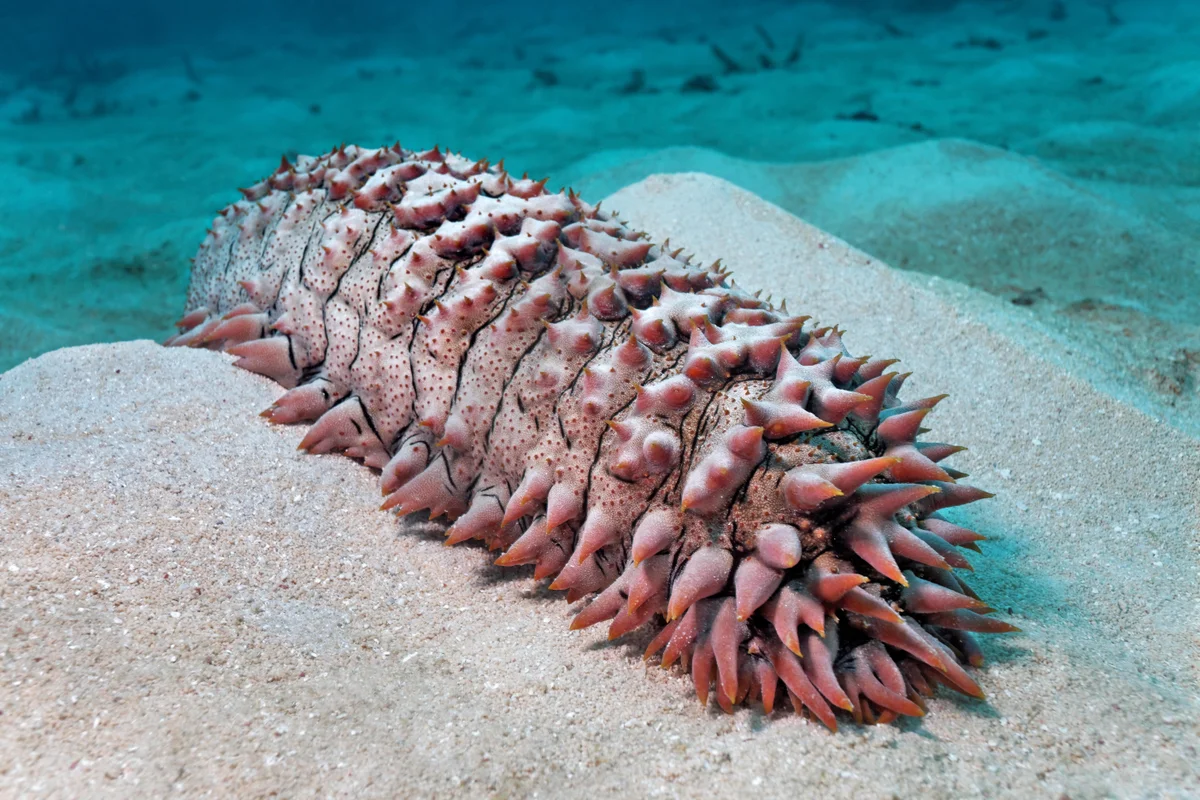
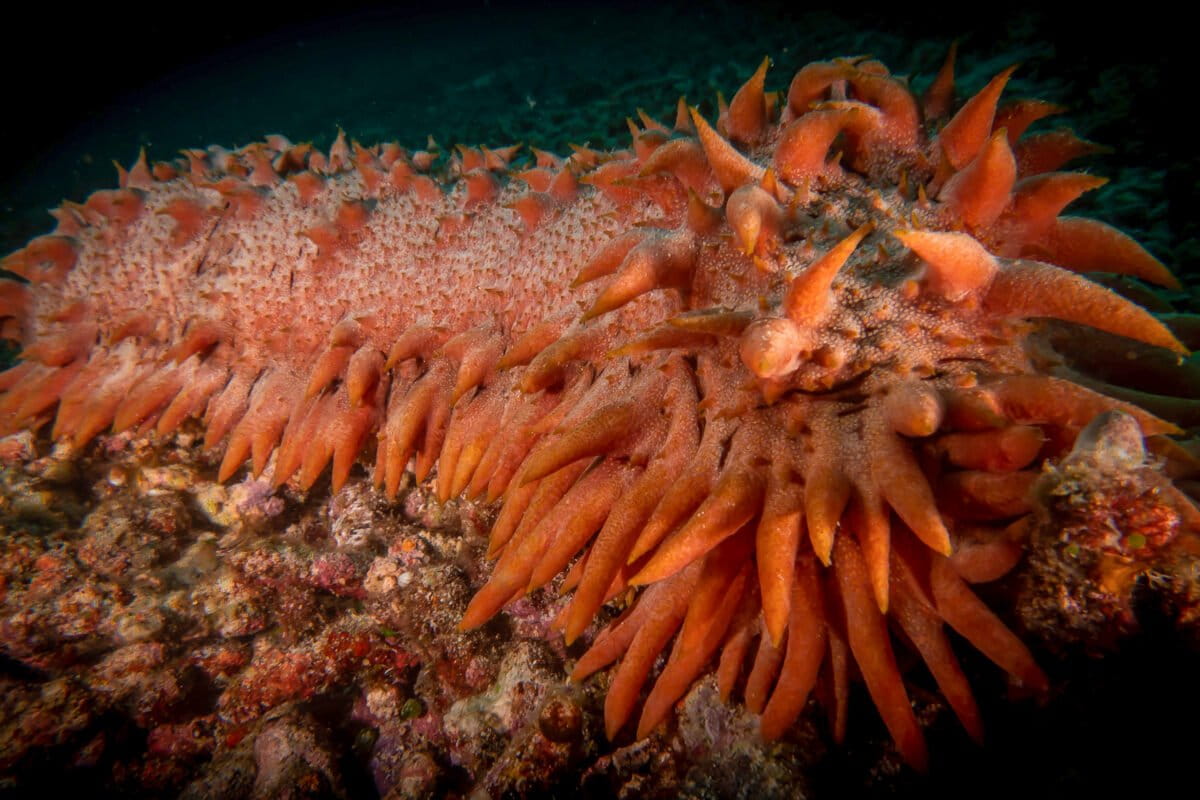
Known alternately and misleadingly as sea cucumbers or sand fish, they are actually neither cucumbers nor fish, but echinoderms. In other words, invertebrate marine animals with a skin or a hard covering.
Found in abundance around the Andaman Islands — the easternmost landmass of the Indian territory — local biologist Sangamesh Uday says they are so ecologically important that without them the intertidal zone "wouldn't be an ecosystem, it would just be broken rocks."Sea cucumbers are crucial for the local ecosystem, says local biologist Uday Image: Parinmnpa/Dreamstime/IMAGO
The 1,500 or so species of sea cucumber around the world are great marine recyclers. They eat organic material including bacteria and microalgae, break it down, and excrete clean oxygenated sand. This keeps vital nutrients like nitrogen and phosphorous in circulation and suppresses coral diseases.
It also boosts ocean alkalinity levels which helps to slow down acidification, which is becoming a huge issue as rising levels of greenhouse gases in the atmosphere cause oceans to warm. In short, it's hard to overstate the environmental importance of these innocuous looking lumps.