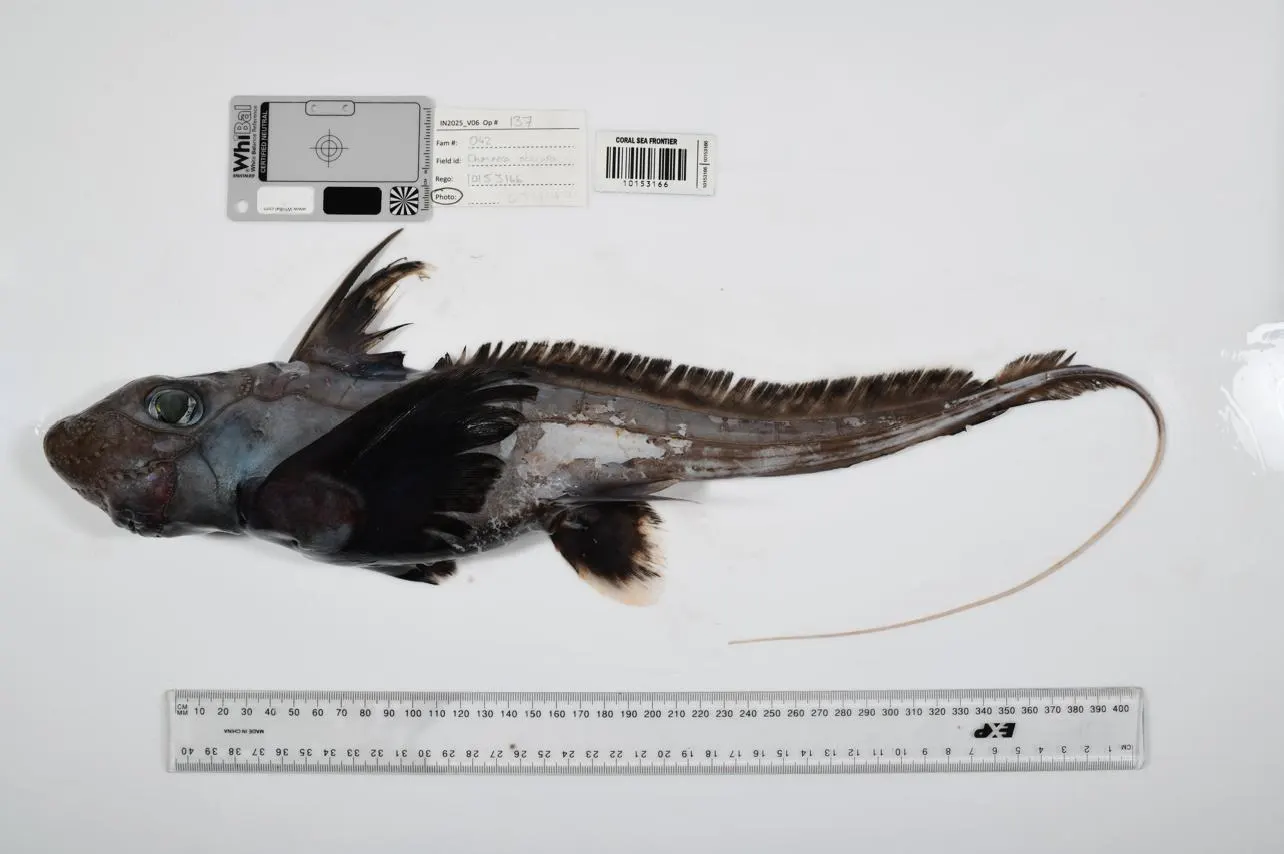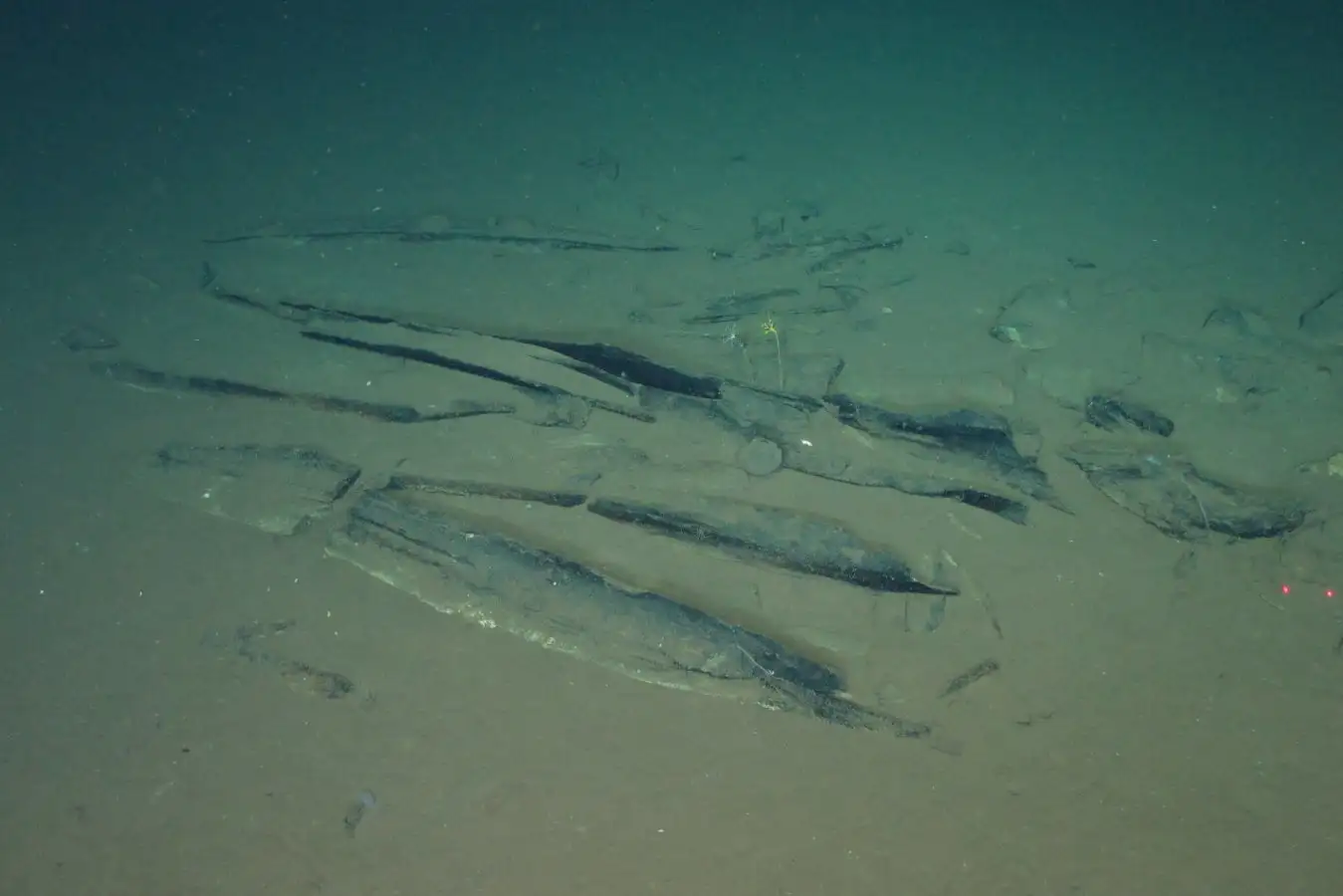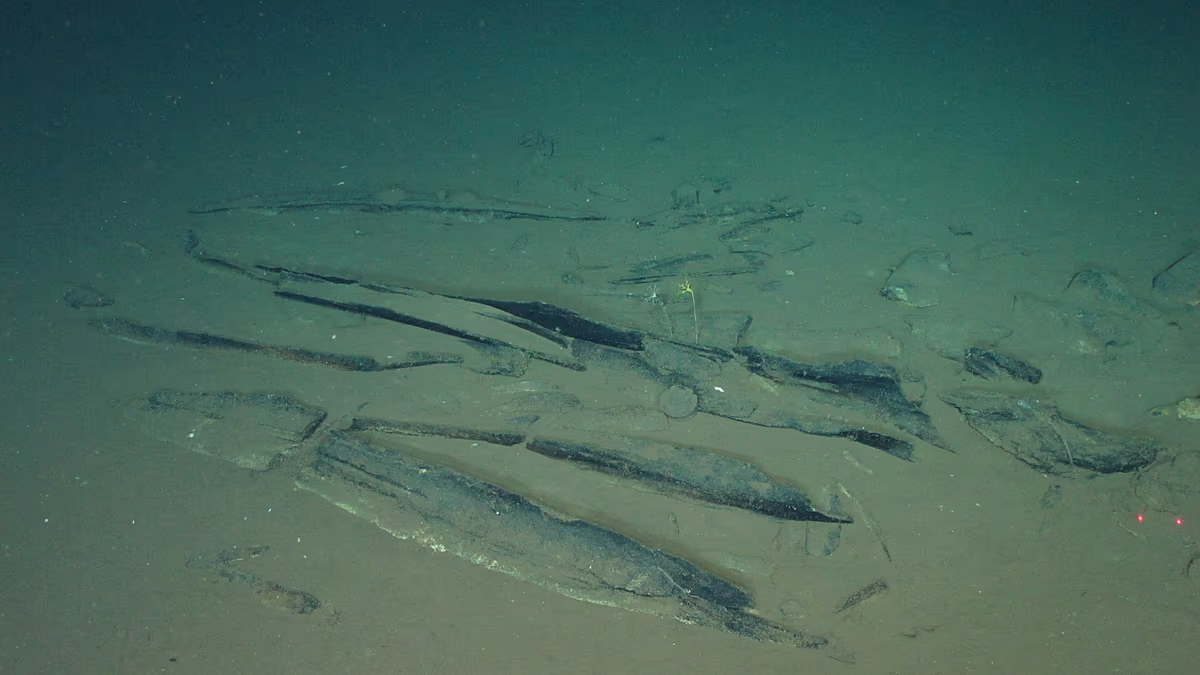
A new study details a deep-sea expedition near the remote Christmas and Cocos islands, where researchers visited unexplored seamounts and identified 149 previously unknown marine species, including black corals, sea worms, sea cucumbers and a variety of fish.At a site they dubbed “The Shark Tooth Graveyard,” researchers discovered around 1,000 shark teeth, covering more than 22 million years of evolution.Researchers from institutions in Australia, New Zealand, Canada and the U.S. surveyed the seafloor down to 5,431 meters (17,818 feet), where conditions are cold, dark and high-pressure with limited food options for benthic species.Deep-sea research is notoriously challenging, but scientists stress the importance of exploring these ecosystems as they face growing threats from warming oceans, pollution, overfishing and deep-sea mining.
The Indian Ocean accounts for about a fifth of global ocean area, with 90% of it reaching deeper than 1,000 meters (3,280 feet). Yet compared to the Pacific and Atlantic, its deep-sea biodiversity is relatively understudied — particularly the seamounts of the ocean’s central eastern region.
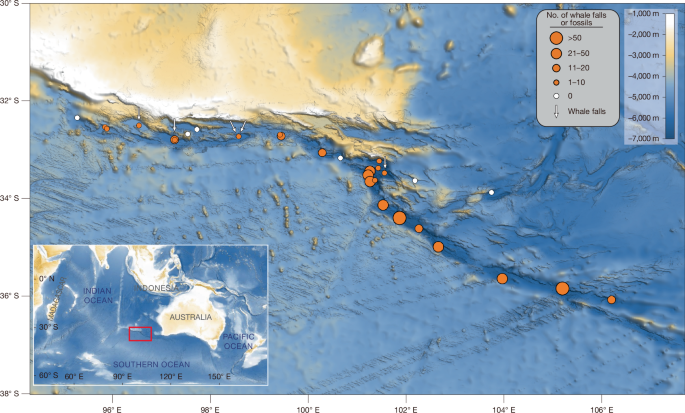
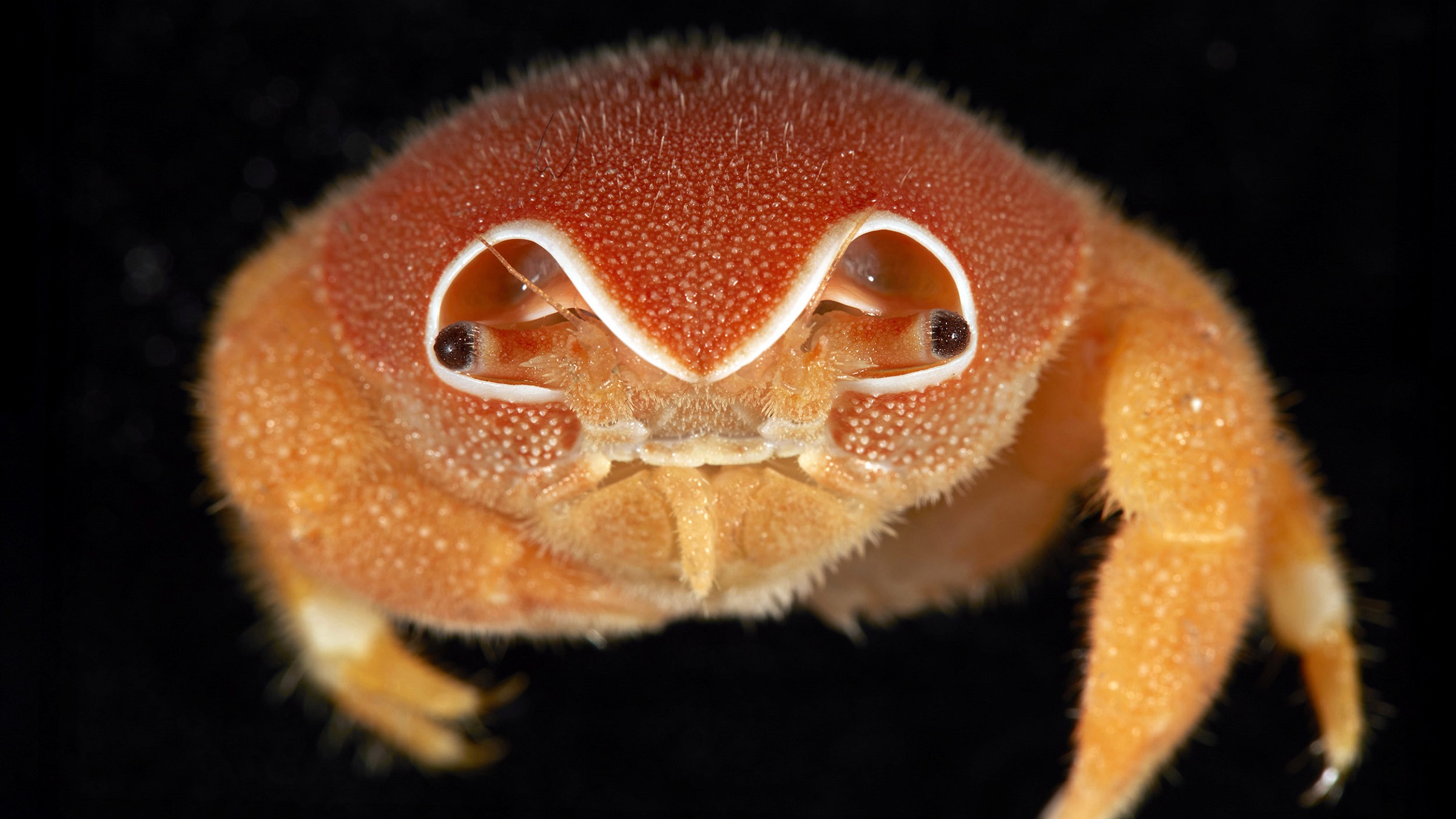
An expedition that surveyed dozens of these volcanic underwater mountains around the Christmas and Cocos islands, located southwest of the Indonesian island of Jakarta between Australia and Sri Lanka, has revealed remarkable marine animal biodiversity along the Indian Ocean seafloor. Published in Deep-Sea Research Part II: Topical Studies in Oceanography in June, the resulting study details 149 new species, including a sea cucumber from the genus Oneirophanta, a new fish from the greeneye family (Chlorophthalmus), and a parasitic barnacle from the genus Rhizolepas.