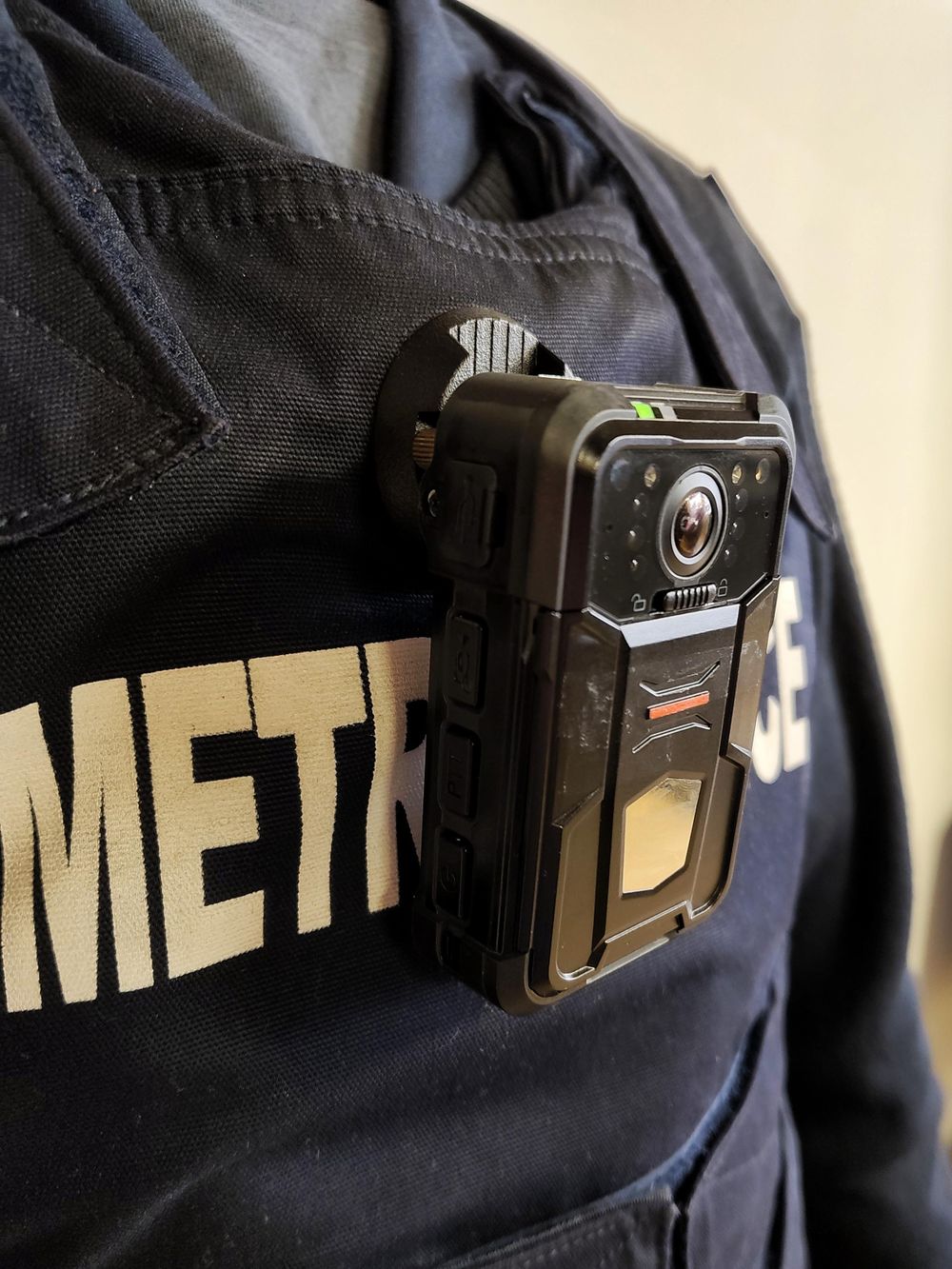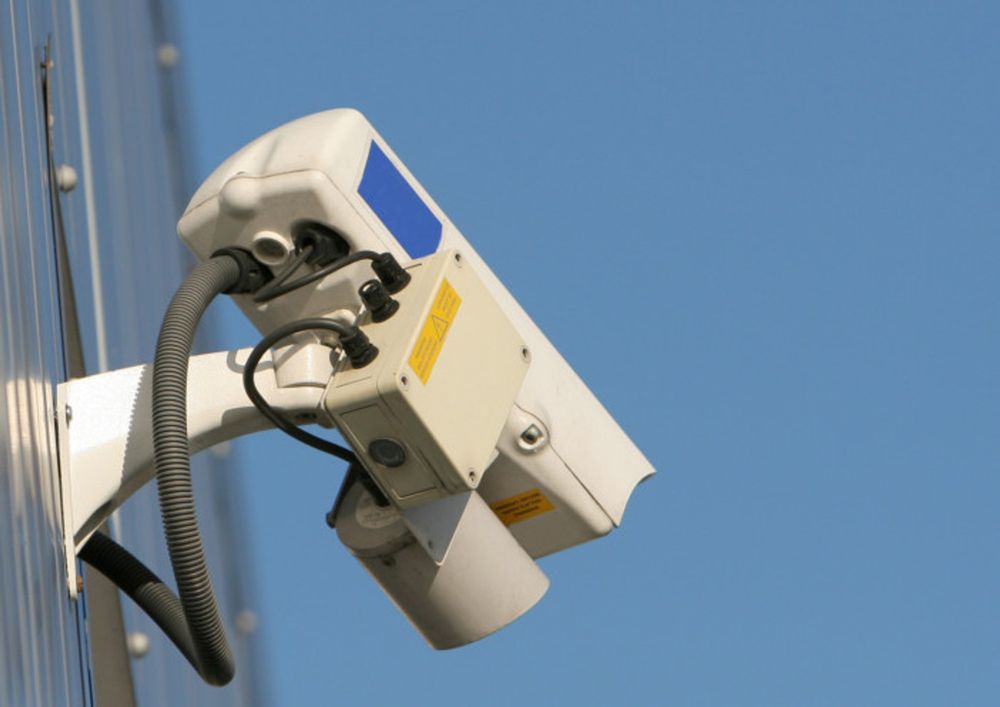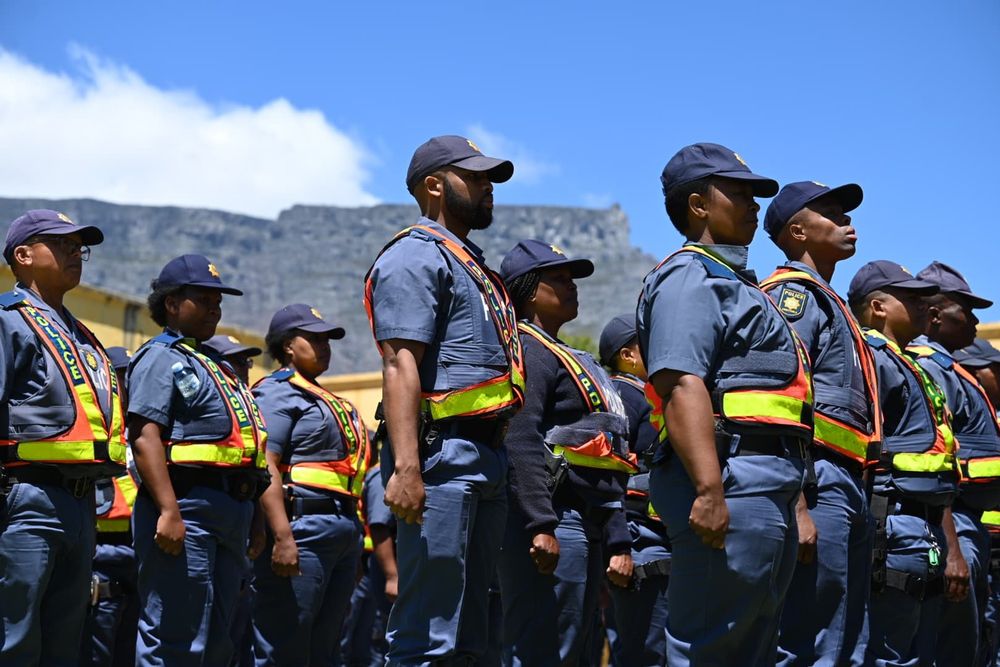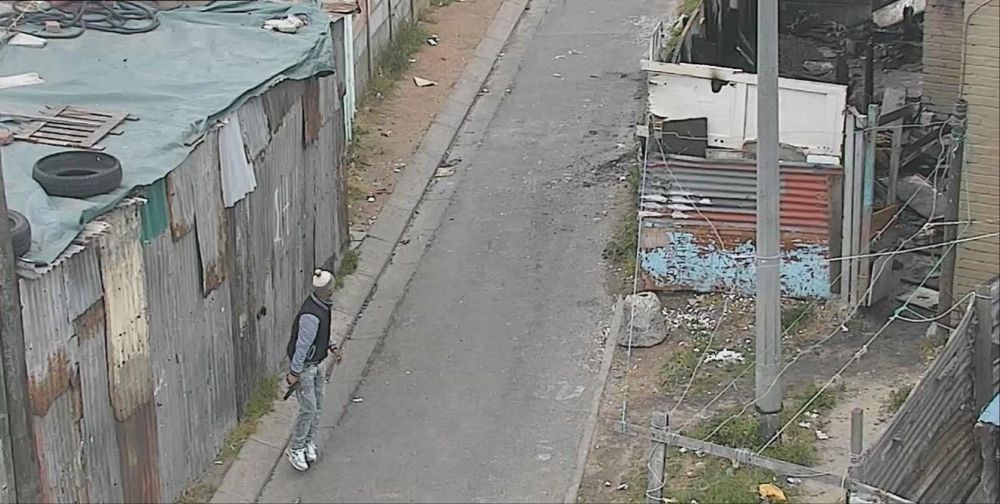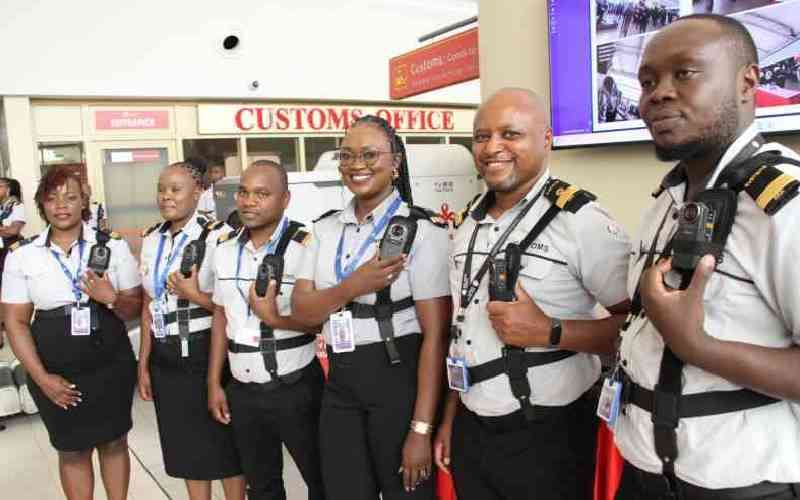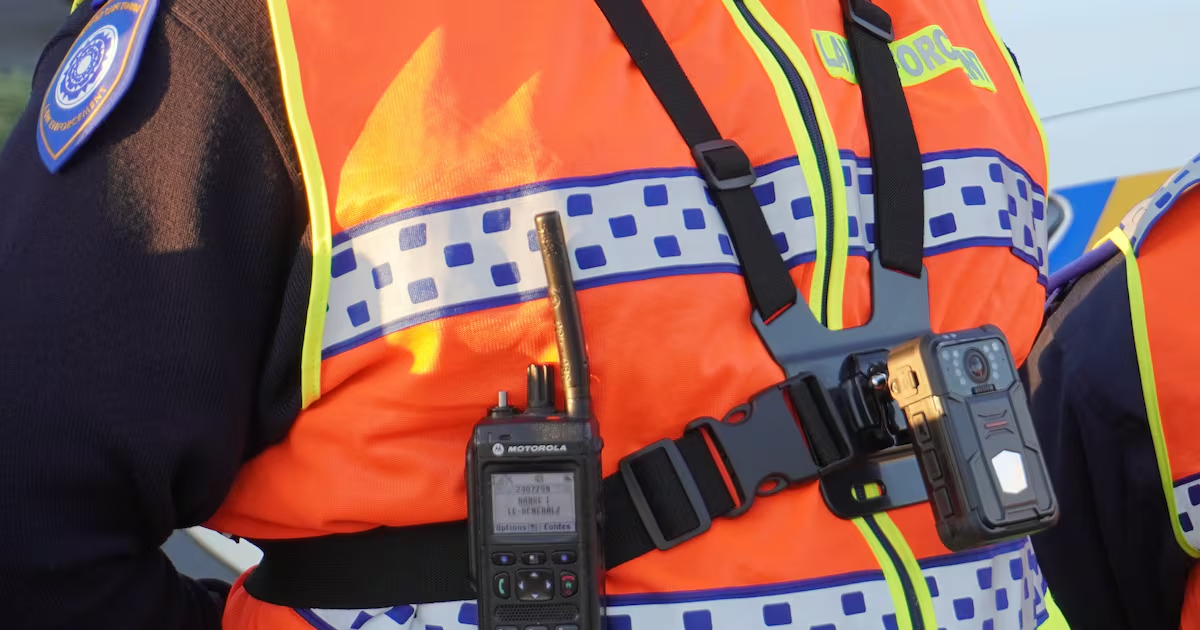
Story audio is generated using AIThe chance of misbehaving motorists being able to bribe their way out of an expensive traffic fine in Cape Town is diminishing, with the city’s investment in body-worn cameras gathering pace.Cape Town is set to increase the number of devices used by its enforcement officers to 3,000. The city currently has 2,250 body-worn cameras (BWCs) deployed among its metro police, law enforcement and traffic officers. Another 750 devices have been ordered, taking the total to 3,000 when they enter service soon.The cameras are part of a broader investment in technology by Cape Town’s safety and security directorate, which also includes in-vehicle cameras, automated number plate recognition (ANPR), drones and a growing CCTV network.The BWCs are generating thousands of hours of footage every month, with more than 450 requests for the digital evidence to date. The footage has been used in internal investigations and shared with the South African Police Service (SAPS) for external investigations.The use of BWCs protects staff and the public. More importantly, it and the other tech solutions we’ve introduced help create a real-time operational picture to improve situational awareness and inform decision-making.— JP Smith, Cape Town’s mayoral committee member for safety and securityAccording to the city, the footage has in many cases helped protect officers against false allegations while also providing evidence of suspects’ actions.The technology has also been used to give the city’s operations centre a real-time view of incidents.During the anti-immigration protests on June 30, officers arriving at scenes were able to stream live footage from their body cameras to the operations centre. The feeds supplemented drone and CCTV footage and provided visuals in areas without CCTV coverage.“The use of BWCs protects staff and the public,” said JP Smith, Cape Town’s mayoral committee member for safety and security.“More importantly, it and the other tech solutions we’ve introduced help create a real-time operational picture to improve situational awareness and inform decision-making.”Cape Town is also expanding its fleet of technology-equipped enforcement vehicles. It has 530 vehicles fitted with in-vehicle cameras, ANPR functionality and printers for issuing warrants and summonses. Another 25 vehicle kits are on order, taking the eventual total to 555.The city said its wider surveillance network is producing significant results. Its metro police strategic surveillance unit detected 41,005 incidents between July 2025 and June 2026, resulting in 541 arrests, an 18% increase on the year before. While Cape Town has independently funded and successfully deployed thousands of units, the national rollout of the technology remains stuck. In 2021 the transport ministry announced a nationwide plan to issue body cameras to traffic officers to reduce bribery and gather evidence in a bid to improve the conviction rate for traffic law violators. The ministry had committed to beginning the rollout during the 2025/26 financial year, saying the cameras would act as a deterrent for corruption, effectively preventing officers from soliciting or accepting bribes from motorists.However, in August acting police minister Firoz Cachalia said he could not commit to a deadline for the national rollout of body-worn cameras for SAPS members because the tender process had not yet been finalised. In a written parliamentary reply to DA MP Mzamo Billy, Cachalia said procurement is still in the contracting phase and the bid is yet to be advertised.While other cities, including Johannesburg, have announced intentions for a rollout of BWCs for traffic or metro police, none have implemented it yet.Business Day
Cape Town body cams succeed as national rollout stalls
Tech upgrades include 3,000 body cams, expanded in-vehicle surveillance and drones
567 words~3 min read