Audio By Vocalize
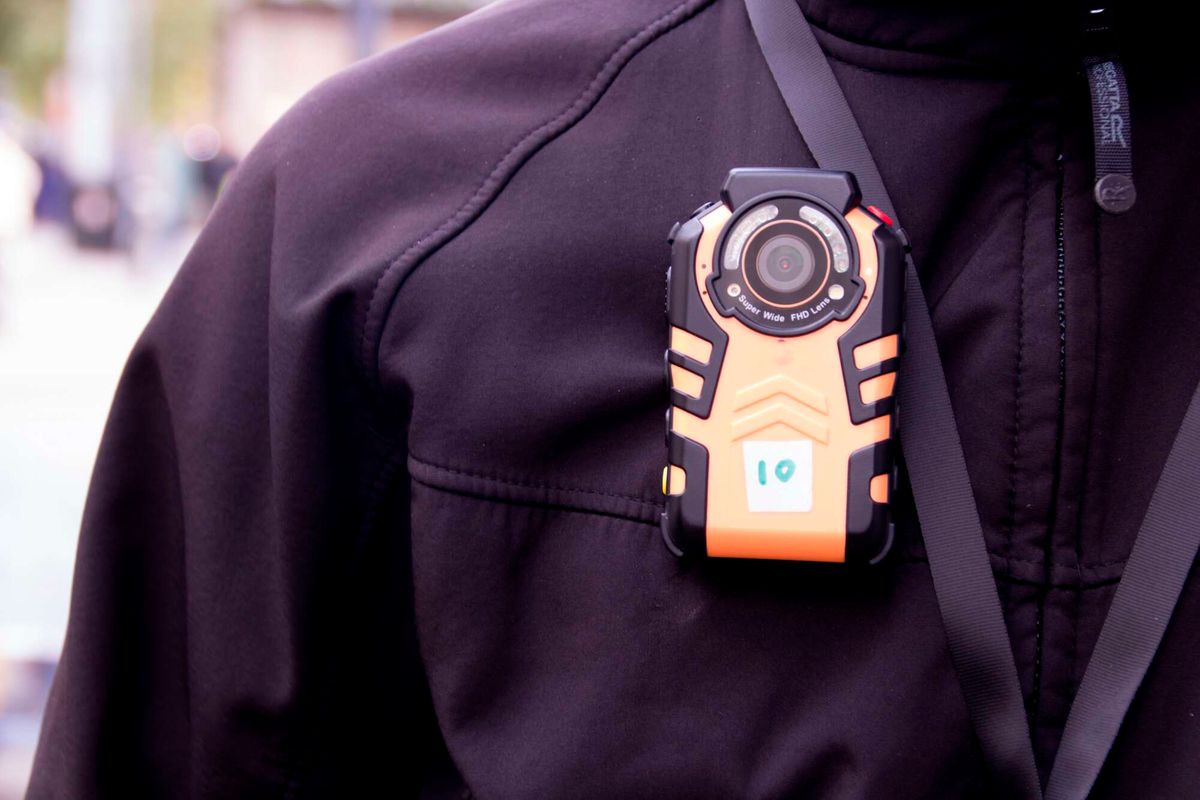
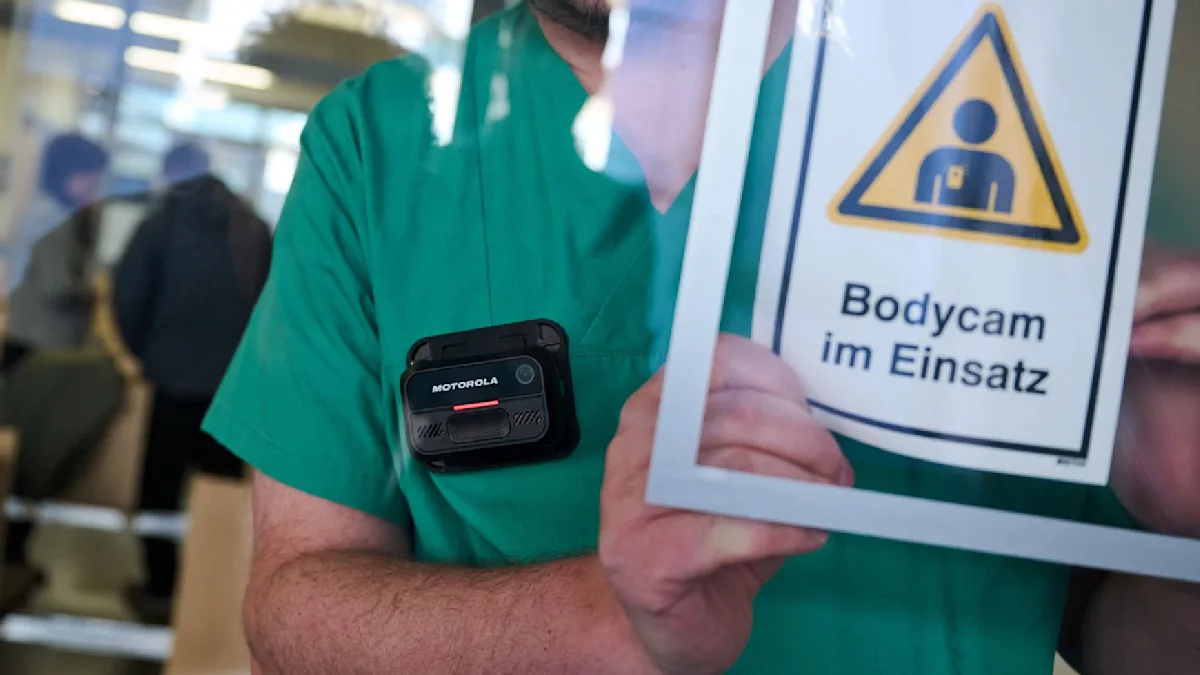
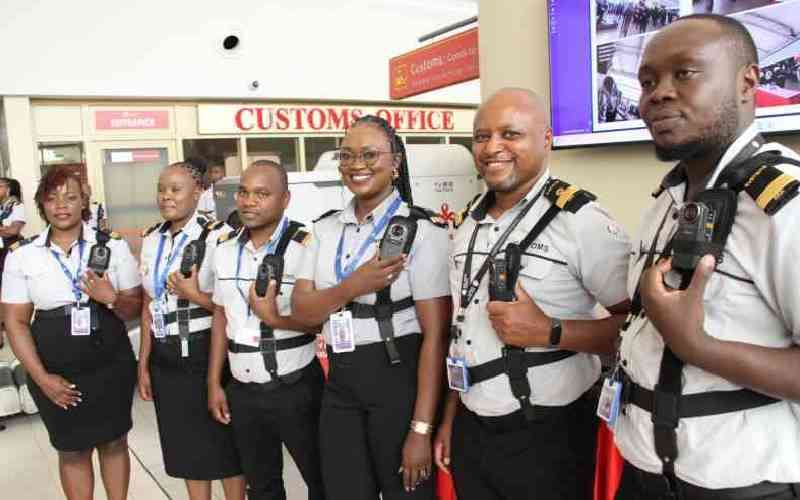
KRA customs Officers during the launch of the body-worn cameras at JKIA Terminal 1 in Nairobi on March 10, 2026. [File, Standard]
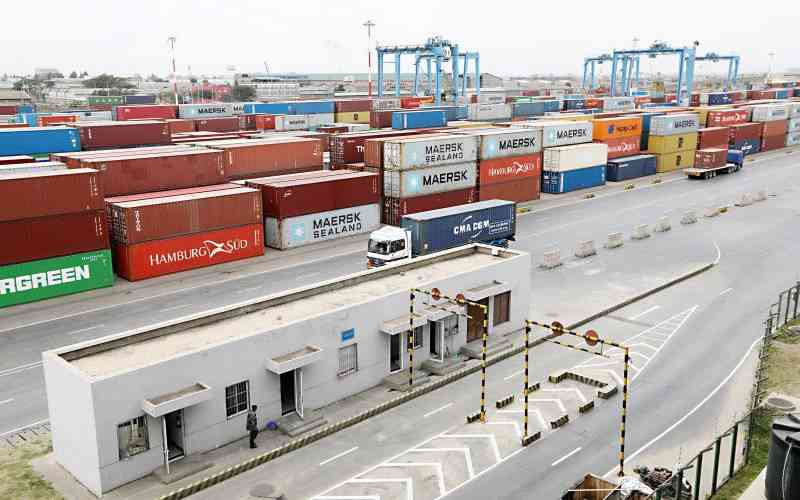
Customs administrations across the world are under increasing pressure to strike a delicate balance between facilitating trade, safeguarding revenue, and protecting society. In Kenya, this responsibility rests with the Kenya Revenue Authority’s (KRA) Customs and Border Control Department. As global trade expands and the risks associated with illicit flows grow more sophisticated, the need for transparency, accountability, and operational efficiency has never been greater.
It is within this context that KRA recently launched the Body-Worn Camera system. This initiative marks a critical milestone in KRA’s ongoing journey to modernise customs administration and reinforce integrity in its operations. The initiative is not simply a technological enhancement, but a deliberate and strategic response to the evolving demands of border management.
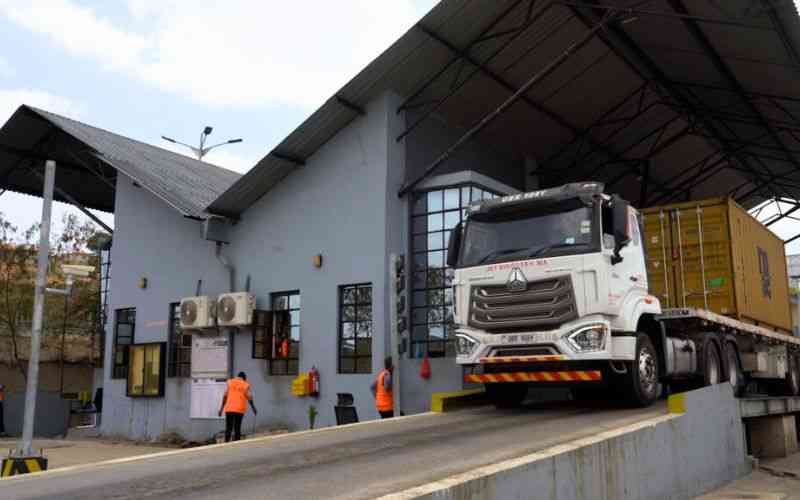
At the core of customs operations are daily interactions between officers and the public, travellers, traders, clearing agents, and other stakeholders. These engagements are pivotal in shaping perceptions of fairness, professionalism, and trust in government institutions. However, they also present potential points of friction, particularly in high-pressure environments such as passenger clearance, cargo verification, and enforcement operations.