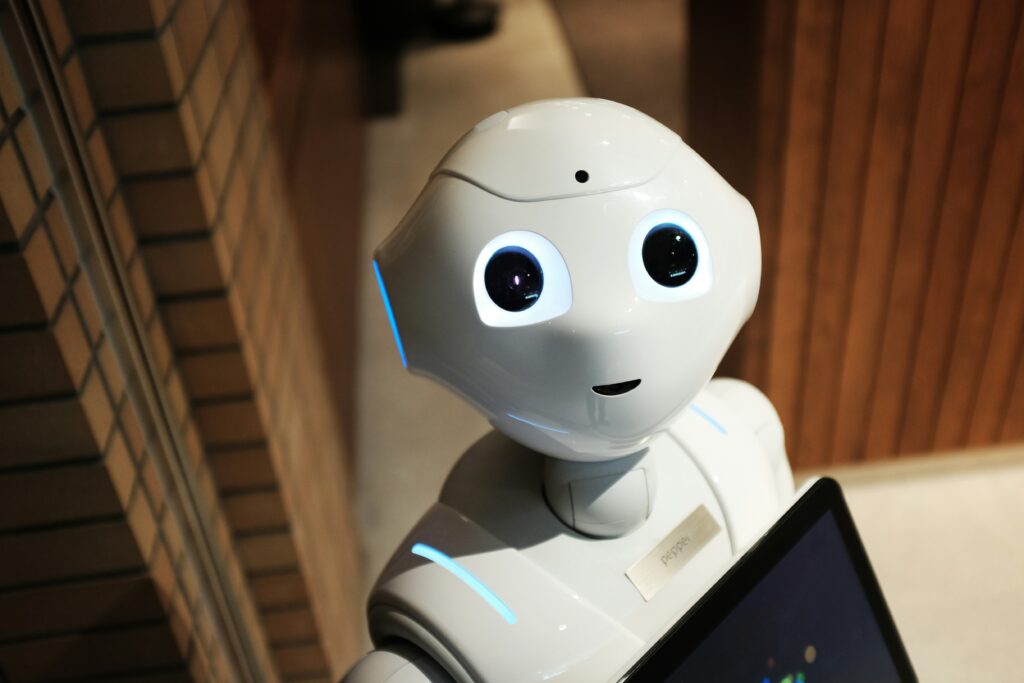
Photo by Alex Knight on Unsplash.
By Hasan Ayaz, Drexel University; Ewart J. de Visser, United States Air Force Academy; Frank Krueger, George Mason University, and Yigit Topoglu, United States Air Force Academy
People become more suspicious of a humanoid robot that makes errors, especially when the robot is an expressive conversation partner.
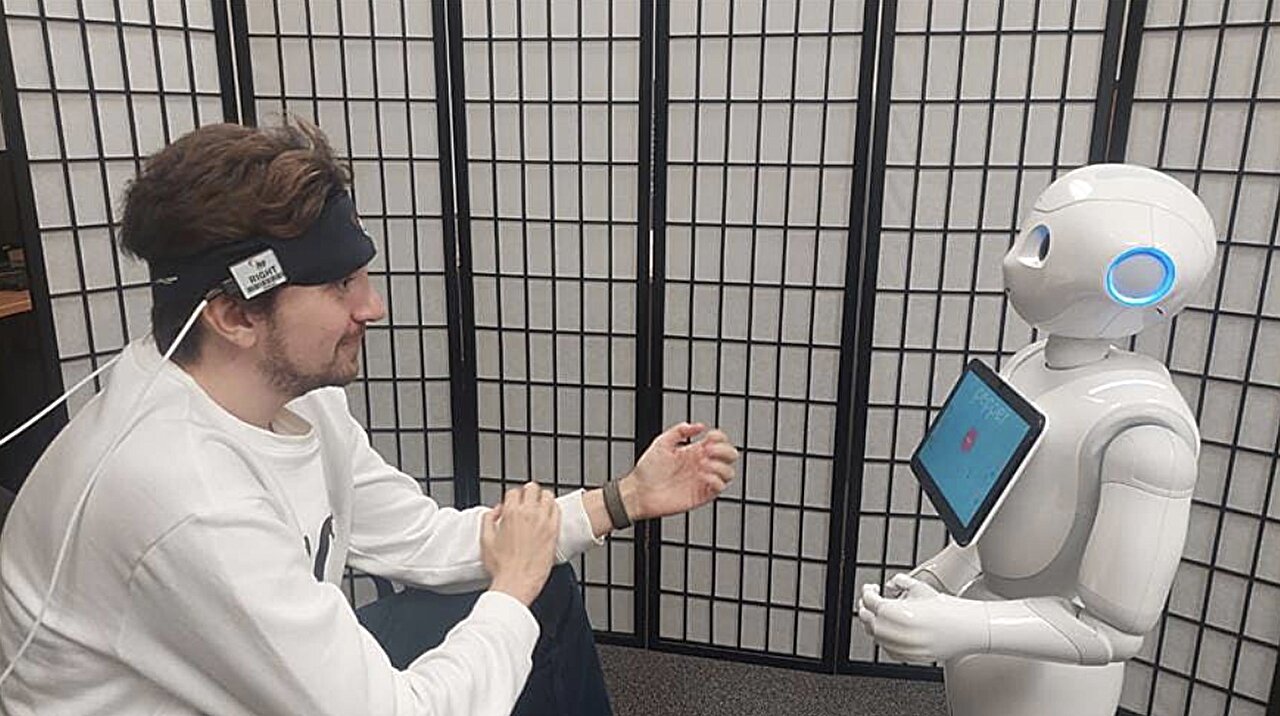
In our new study published in the journal Science Robotics, we had 50 people hold conversations and make joint decisions with the commercial humanoid robot Pepper, which is designed to be expressive and recognize emotions. Sometimes we had the robot give sound advice. Sometimes we had it make conversational mistakes, interrupting people or pushing illogical suggestions.
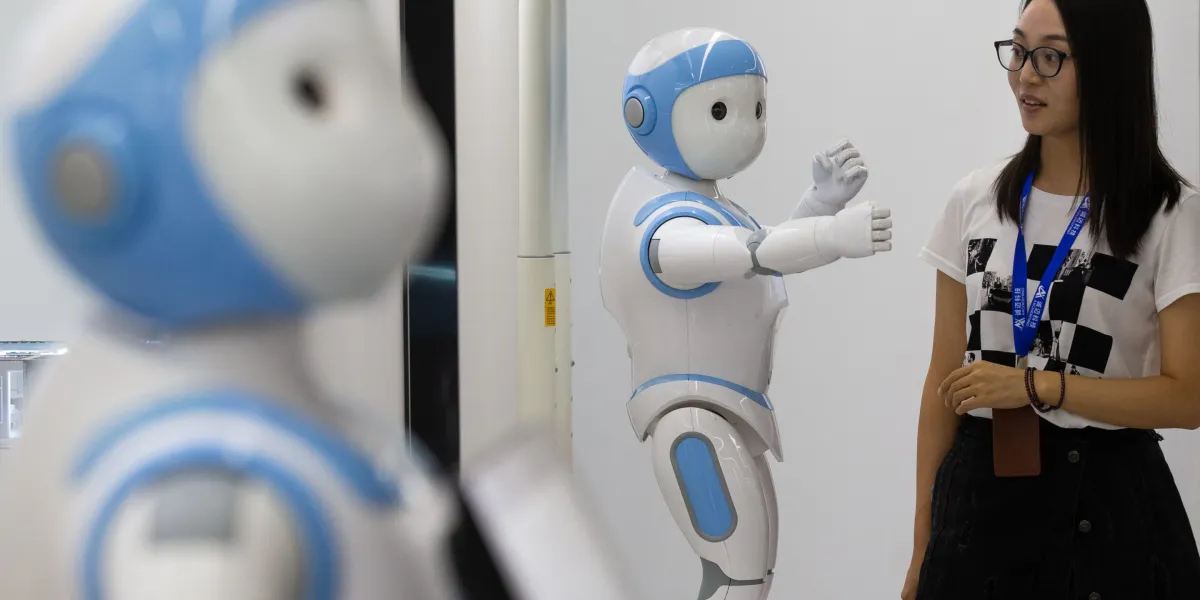
For some participants, the robot was animated, using gestures, eye contact and nods. For others, it stayed motionless.