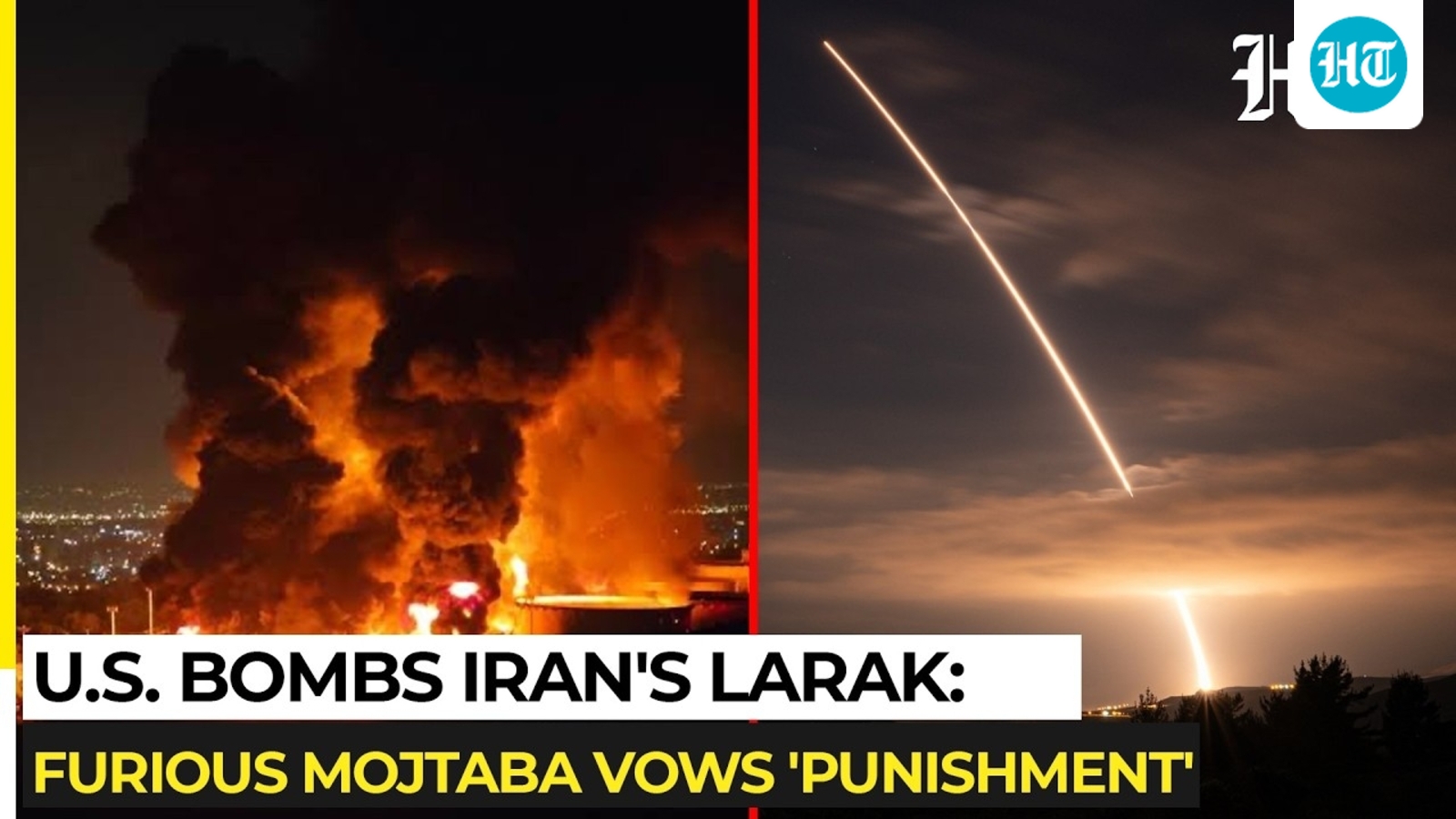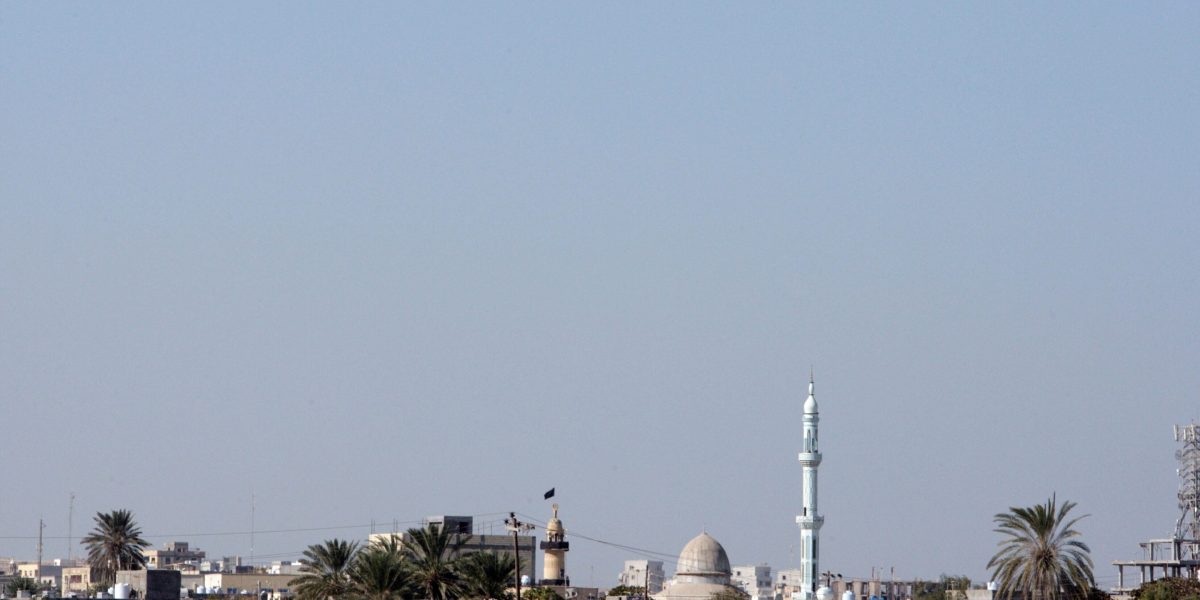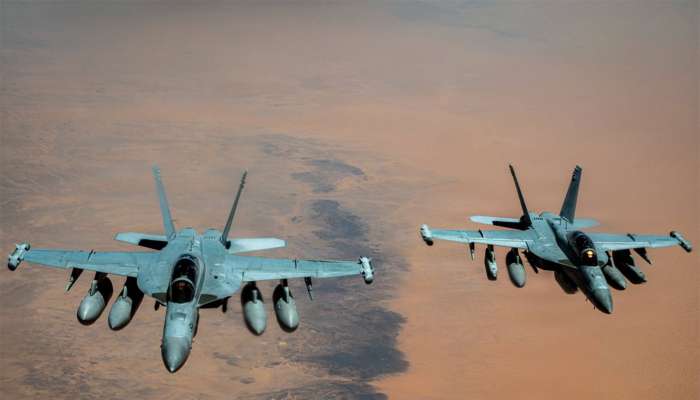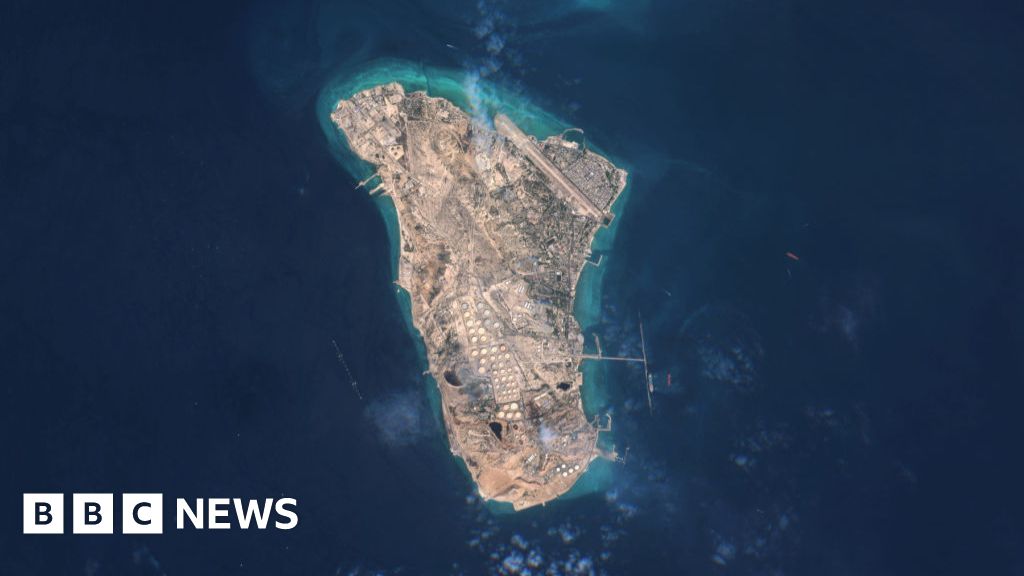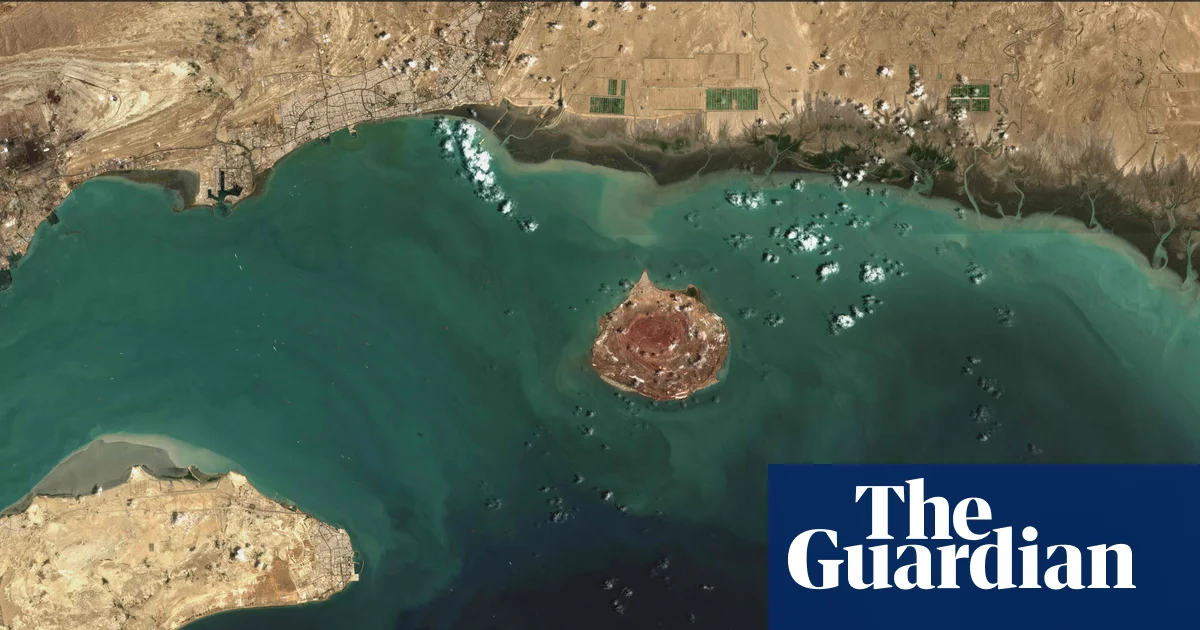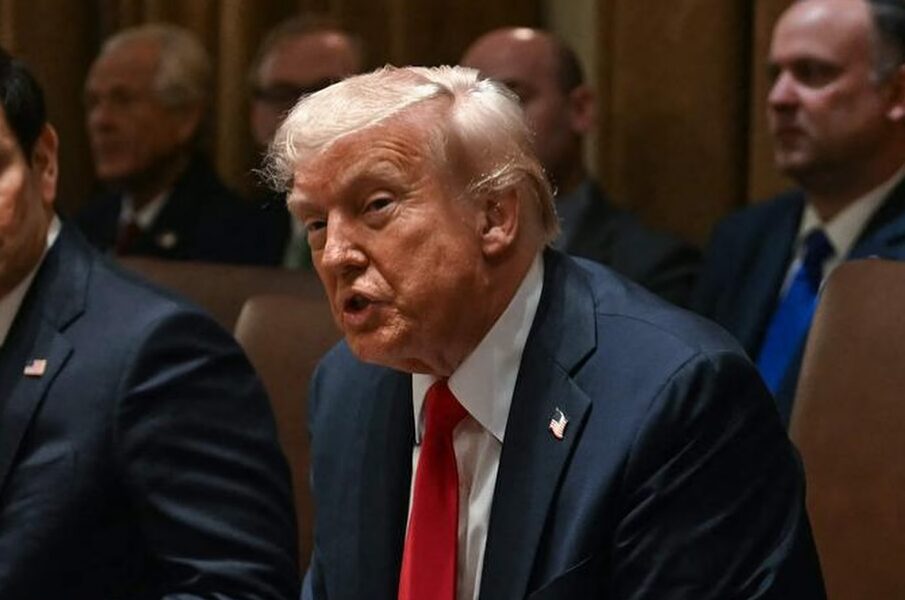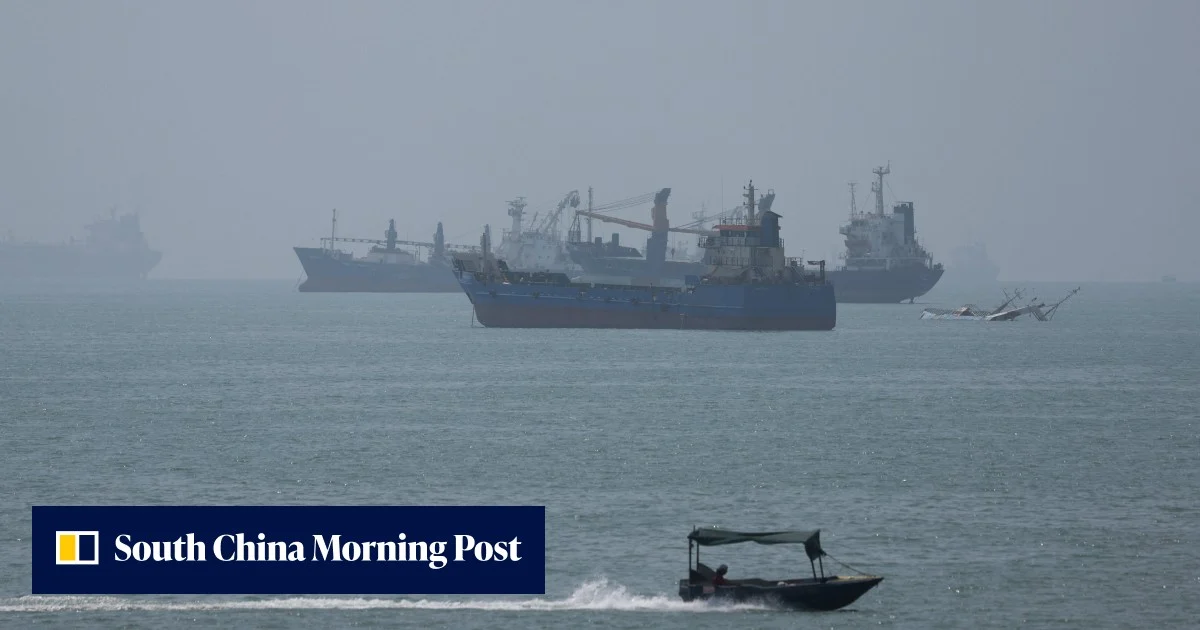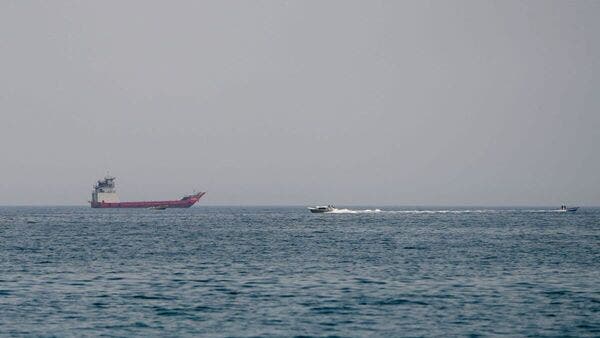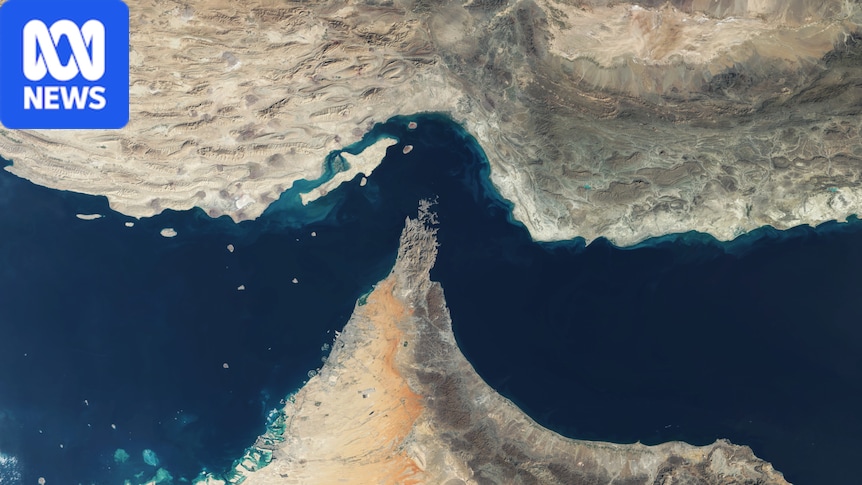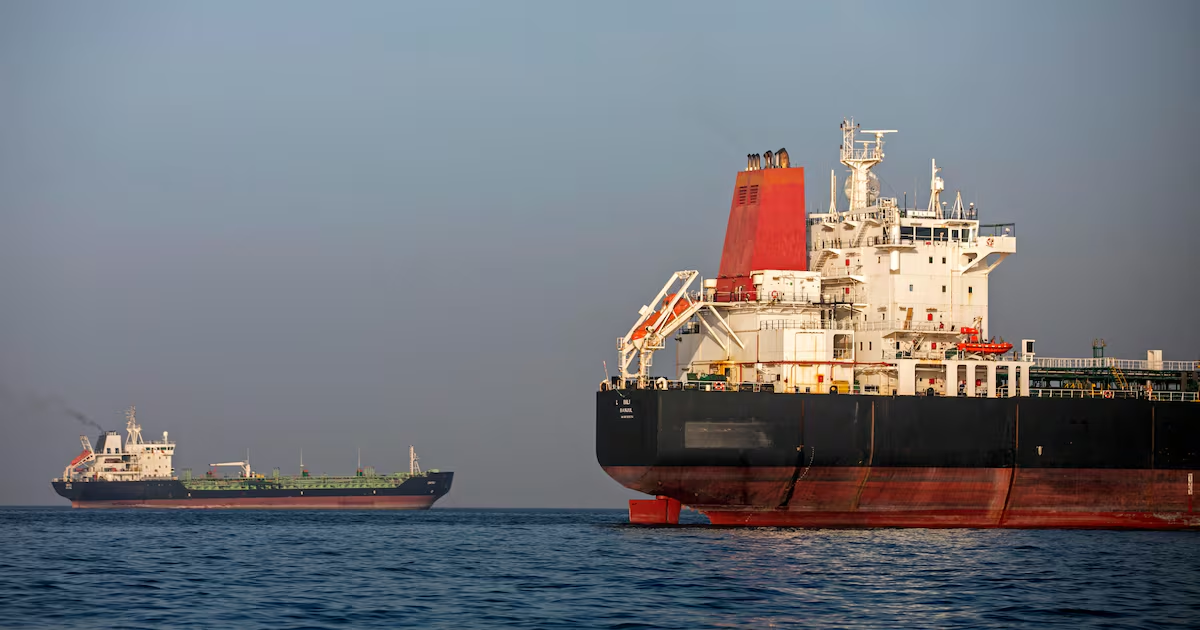
Attacks by the US on Iran's Larak Island and threats by President Donald Trump of blowing Kharg Island to “smithereens” have re-escalated the war. US forces said they hit Larak Island as Iran's Islamic Revolutionary Guard Corps was preparing to launch rockets carrying sea mines to the Strait of Hormuz. The US recently said it removed or detonated all mines in the strait for ships to transit the vital waterway safely.Larak, IRGC's naval and logistics hubLarak serves as a key IRGC naval and logistics base and a secondary oil storage and transfer hub.Iran has used Larak for stationing naval assets, including fast boats, missile systems and sea-mine infrastructure. The island's strategic value is primarily military-geographic as it overlooks the Strait of Hormuz.Kharg Island under threatOn Sunday, Mr Trump issued a one-line threat on Truth Social – “Kharg Island being blown to smithereens” – with an AI-generated video of a huge explosion. Any attack on Kharg Island would be significant, as it is an important oil export hub.It handles about 90 per cent of Iran’s crude exports, with the island’s loading capacity pegged at seven million barrels per day and storage capacity of 30 million barrels.Before the war, most shipments from Kharg Island were for Asian customers, with a significant majority, about 80 per cent, to China. Crude from the country's oilfields arrives through undersea pipelines to the island, which lie about 30 kilometres off the coast of Iran, for loading on to tankers.The island is equipped with extensive offshore loading platforms, storage tanks and pipeline infrastructure connecting directly to Iran's major onshore oilfields including Ahvaz, Gachsaran and Agha Jari.“Any sustained damage to Kharg would effectively halt Iranian crude exports, currently estimated at roughly 1.5 million-1.8 million bpd, representing a meaningful share of global supply,” Noureldeen Al Hammoury, chief market strategist at Equiti Group, told The National.It also has deepwater berths to help very large crude carriers load oil at the terminal.Oil prices riseOil prices rose following the attacks, with Brent, the benchmark for two thirds of world’s oil, surging as much as 3 per cent to more than $90 per barrel at 10.20am UAE time on Monday.The latest development came after a new set of sanctions were imposed on Iran, with Washington seeking to isolate the country’s economy in an effort to break the deadlock in the war.As part of Operation Economic Outcast announced last week, the US Treasury Department said it was broadening the scope of secondary sanctions on companies and countries that conduct business with Iran. They will be given a deadline to shut down Iran-related activity, according to the US.Iran ranked as the world’s third-largest oil and second-largest natural gas reserve holder in 2023, according to the US Energy Information Administration.By the end of that year, Iran accounted for 24 per cent of oil reserves in the Middle East and 12 per cent of the worldwide total. Despite its abundant reserves, Iran’s total liquid production is limited because the oil sector has been subject to underinvestment and international sanctions for several years.
Iran's Kharg and Larak islands: Why they matter | The National
IRGC naval assets and oil-loading infrastructure under threat in latest US escalation
505 words~2 min read