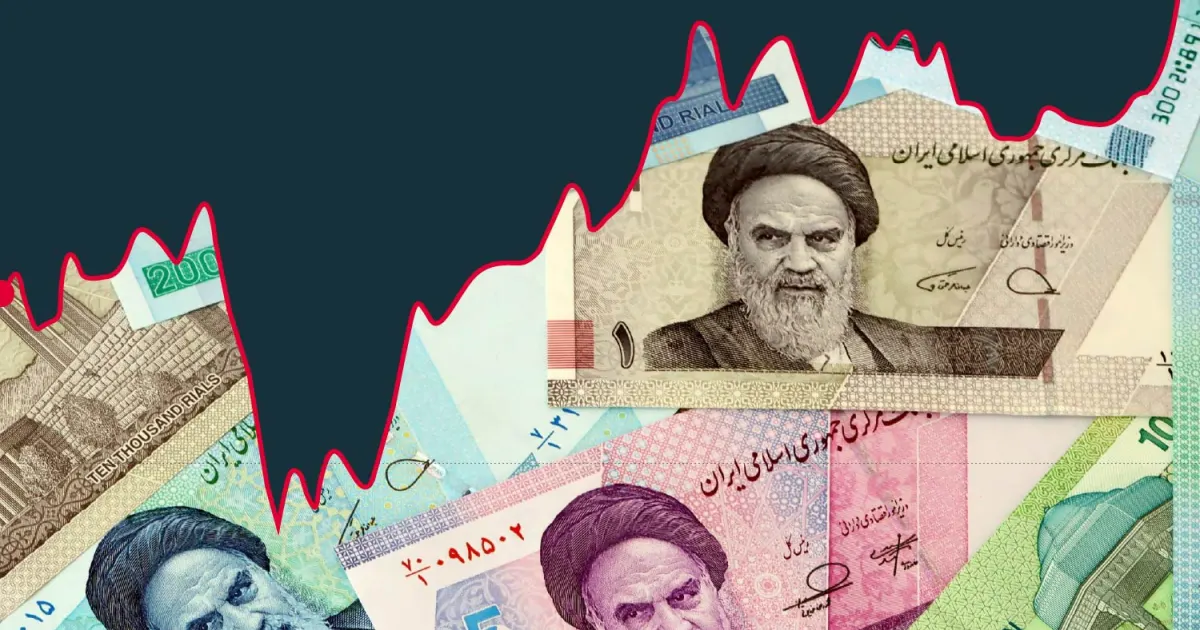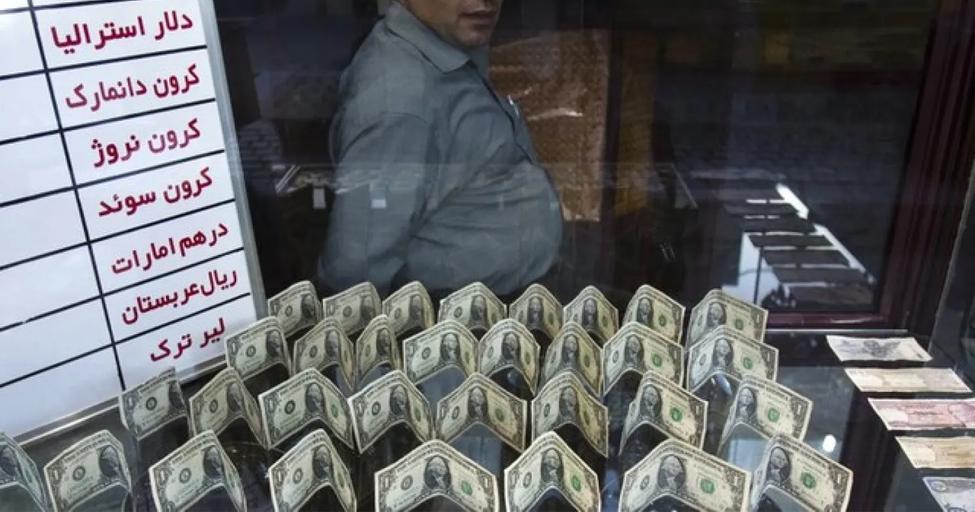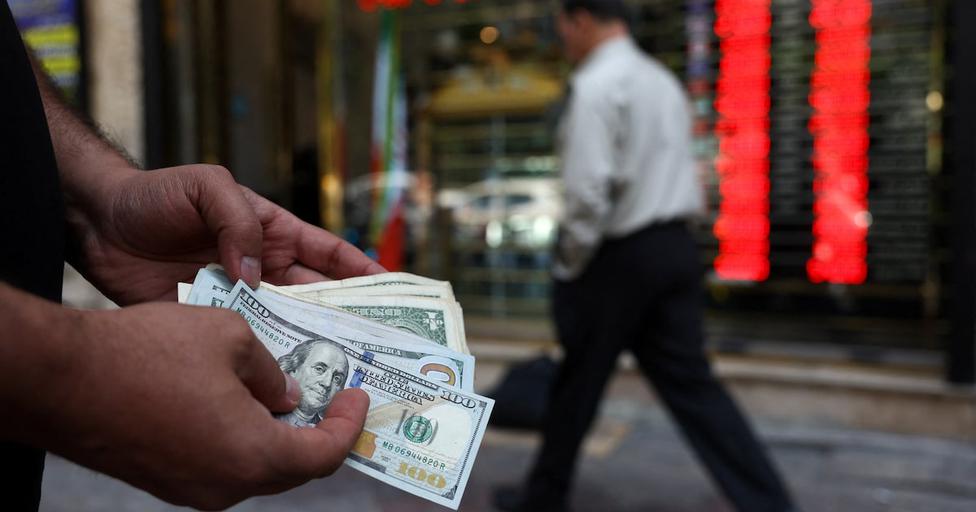
In the past week, Iran’s economy witnessed the exchange rate of a single U.S. dollar cross the historic threshold of 200,000 tomans, a figure that the Governor of the Central Bank of the Islamic Republic of Iran characterized as the result of American propaganda and psychological warfare, while the U.S. Secretary of the Treasury described it as merely a prelude to a 300,000-toman rate in the near future.
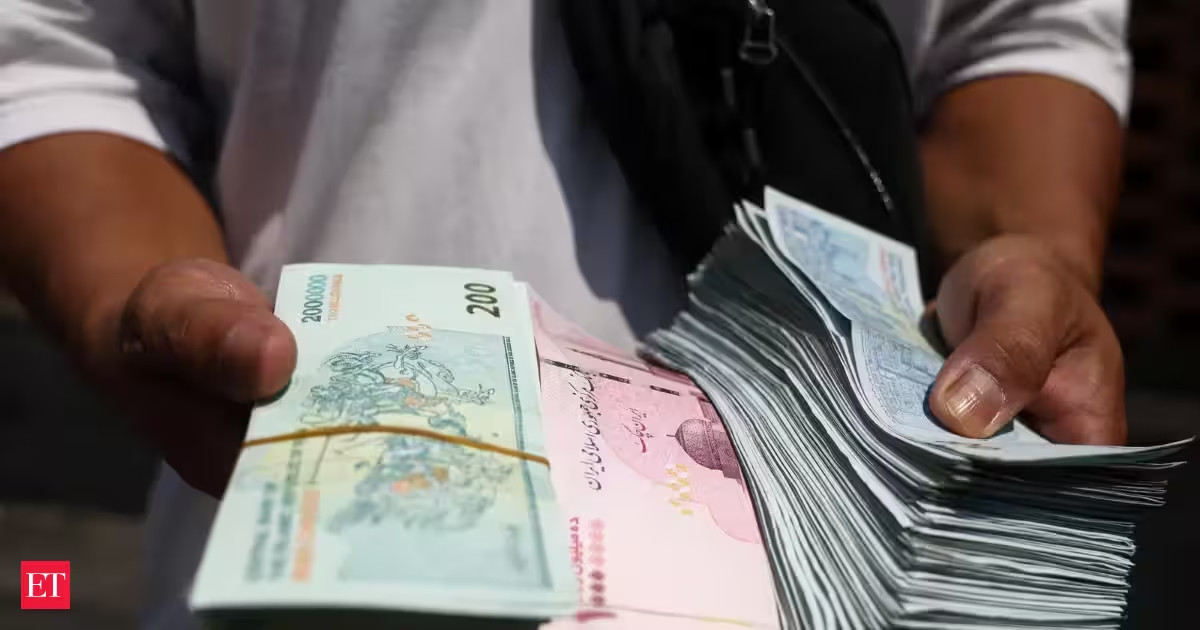
The collapse of the rial’s value to as low as five ten-millionths of a single U.S. dollar banknote signals new equilibrium ruptures within Iran’s macroeconomic structure. Under current conditions, similar to those of the past half-century and particularly recent years, this rupture indicates that inflationary expectations have spiraled out of control, resulting in an explosion of accumulated inflation crushing the livelihoods of the Iranian public.
This report seeks to deconstruct the events of the past week that pushed the dollar past 205,000 tomans, explaining how the Central Bank of the Islamic Republic rode a wave of public panic, anxiety, and negative emotion, thereby exacerbating volatility in Iran’s financial markets while maximizing its own profits.
What Pushed the Dollar Past the 200,000-Toman Mark Last Week