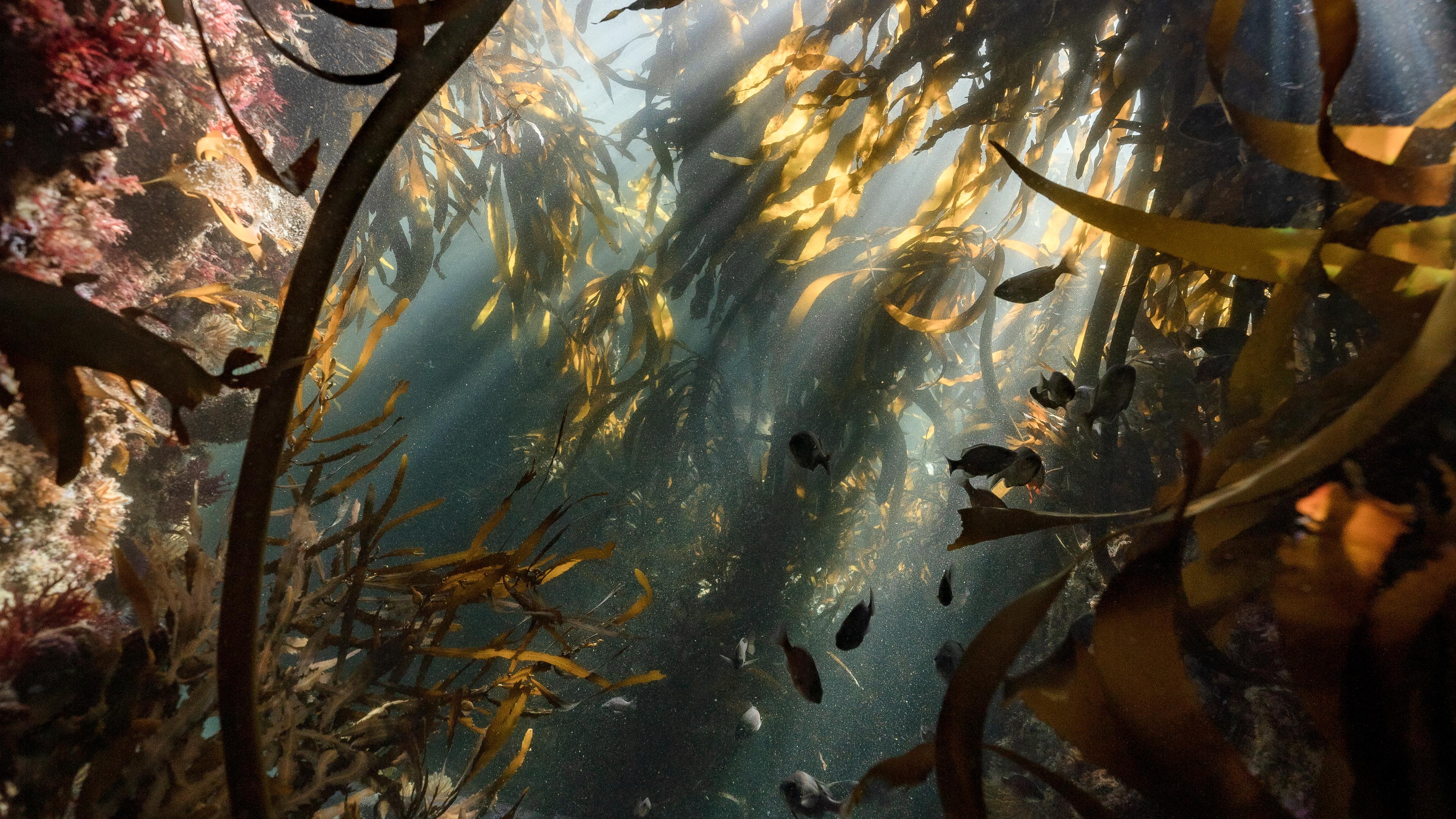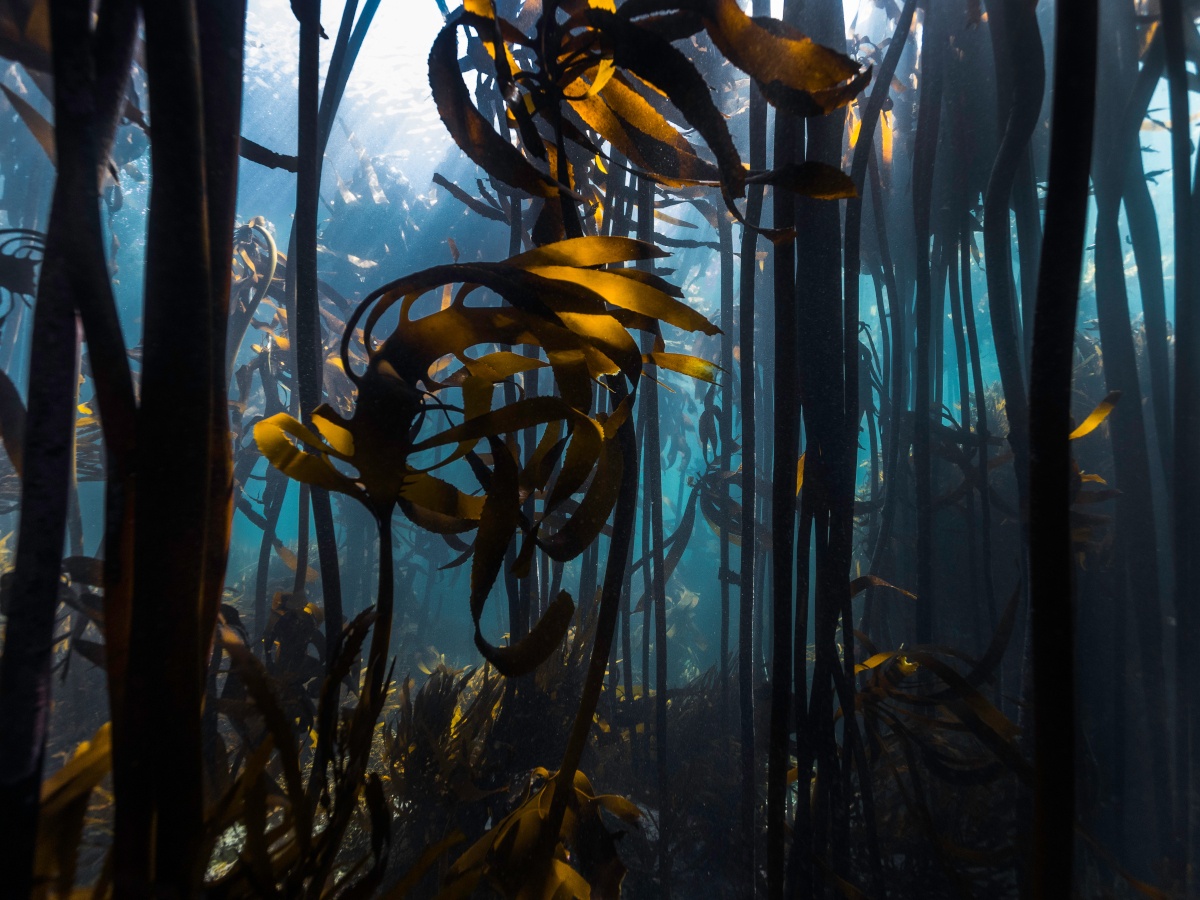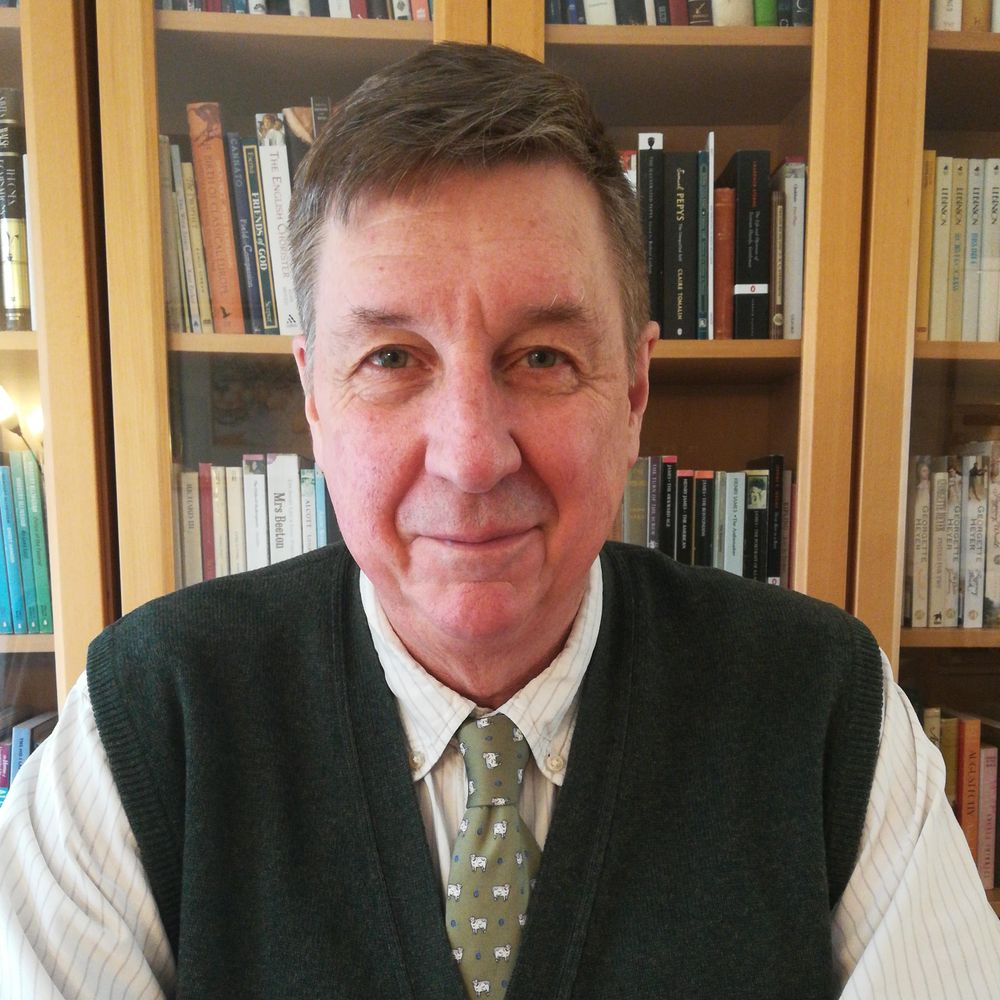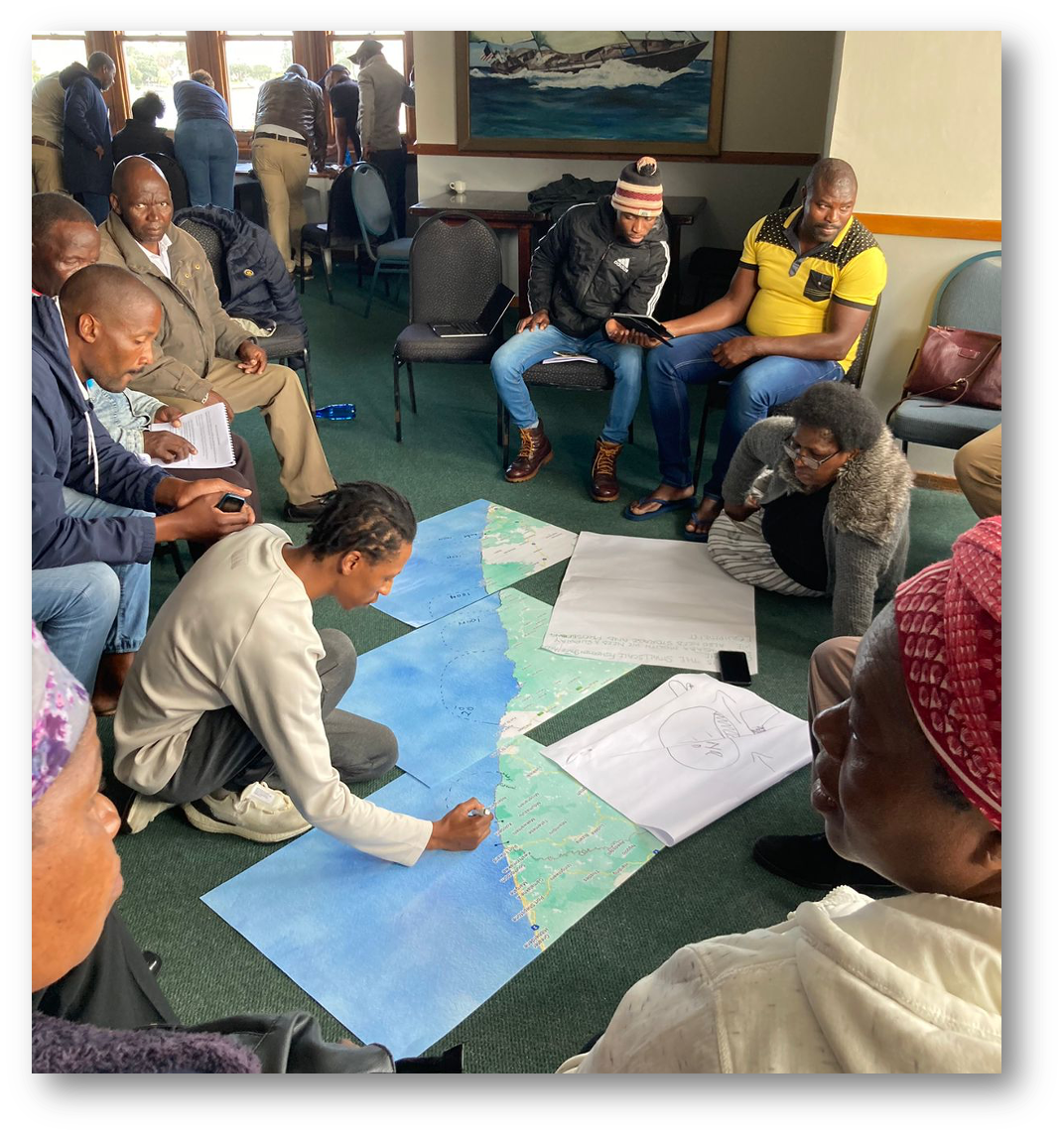
The Great African Seaforest is one of the only expanding kelp forests in the world. To better understand this important ecosystem, and why it should be conserved, marine biologist Loyiso Dunga set out to map the entire forest for the first time ever in 2016 using satellite imagery.Dunga now works on kelp forest conservation across the globe with both the International Union for Conservation of Nature and the Kelp Forest Alliance.As a member of an Indigenous community in South Africa, Dunga is sensitive to how conservation measures were employed during the country’s apartheid-era to expel coastal communities, and makes sure that other scientists include coastal communities in their work.“There is so much knowledge that is documented within coastal communities but is outside of science,” Dunga says. “I try to spend a lot of time understanding that, which also enriches my science.”
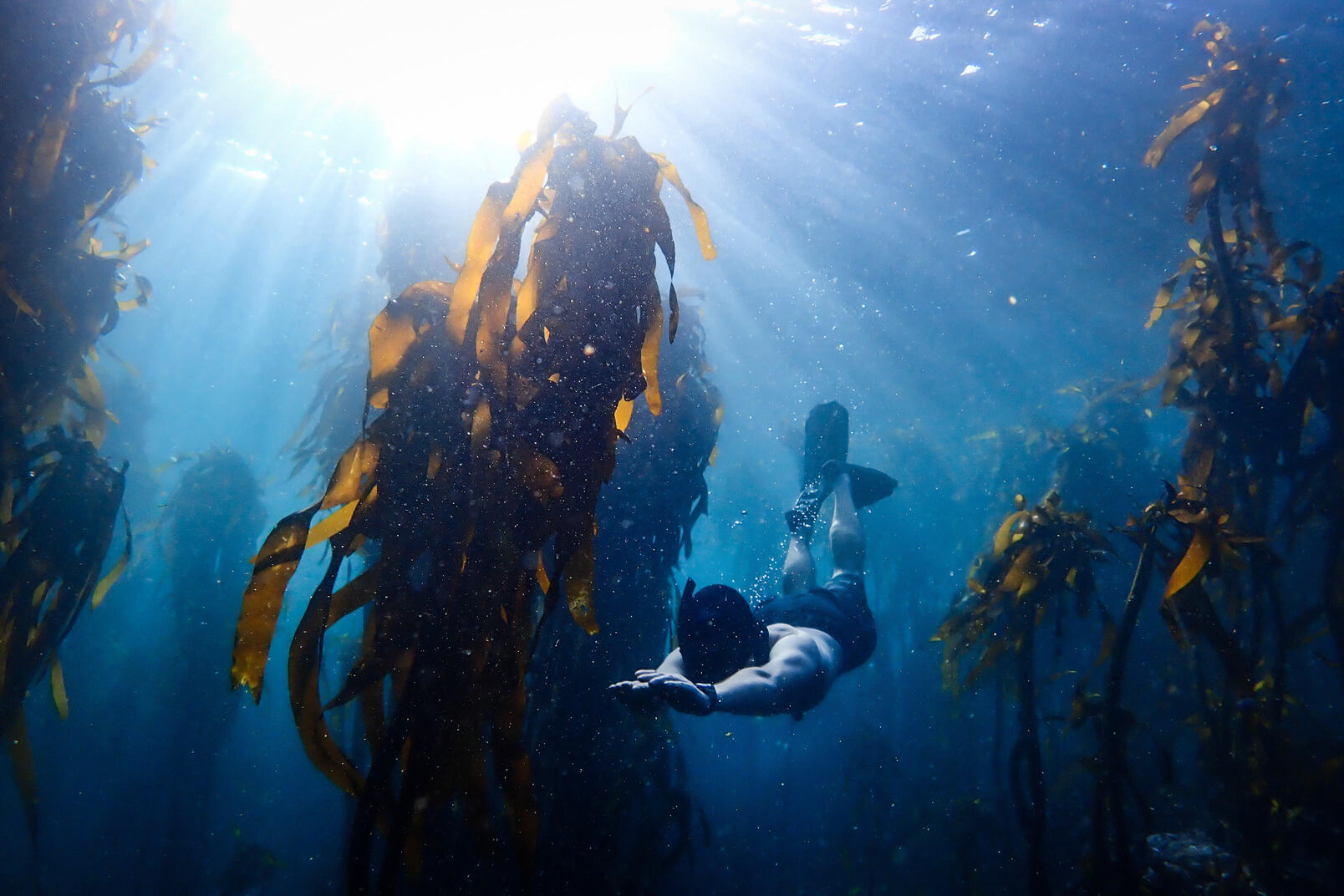
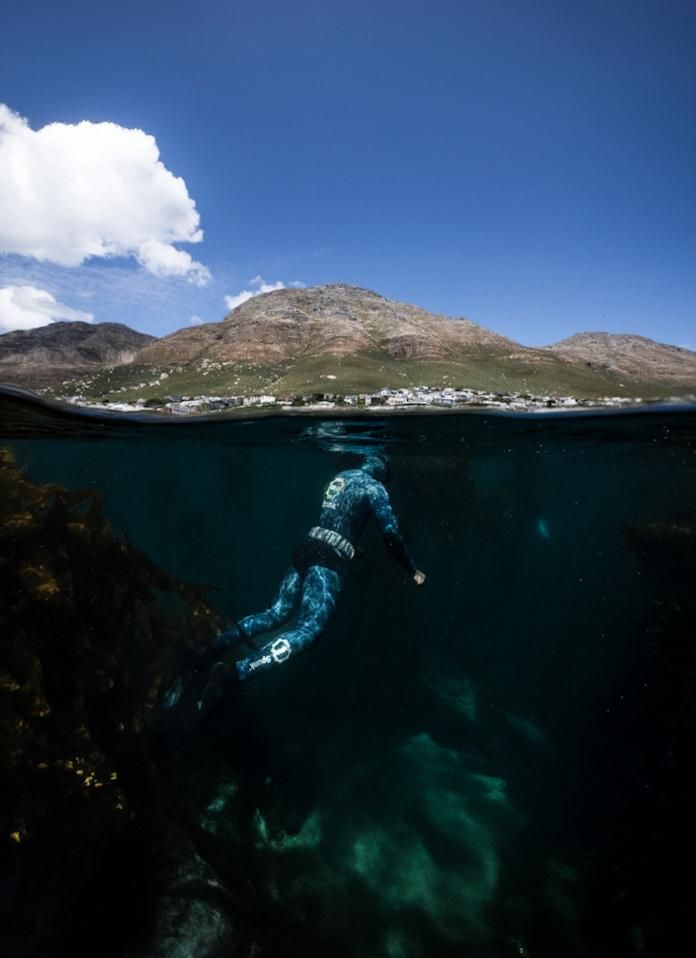
CAPE TOWN — When scientist Loyiso Dunga began mapping the Great African Seaforest in 2016, he decided to go snorkeling. The South African section of the kelp forest stretches around 800 miles or 1,300 kilometers, straddling two coasts and two oceans.
Dunga grew up in a coastal community, Nqabara, in South Africa’s Wild Coast. As a member of the Xhosa nation, the ocean was kin or family to Dunga, and a sacred place. But that snorkeling trip was the first time he went into the ocean for fun.