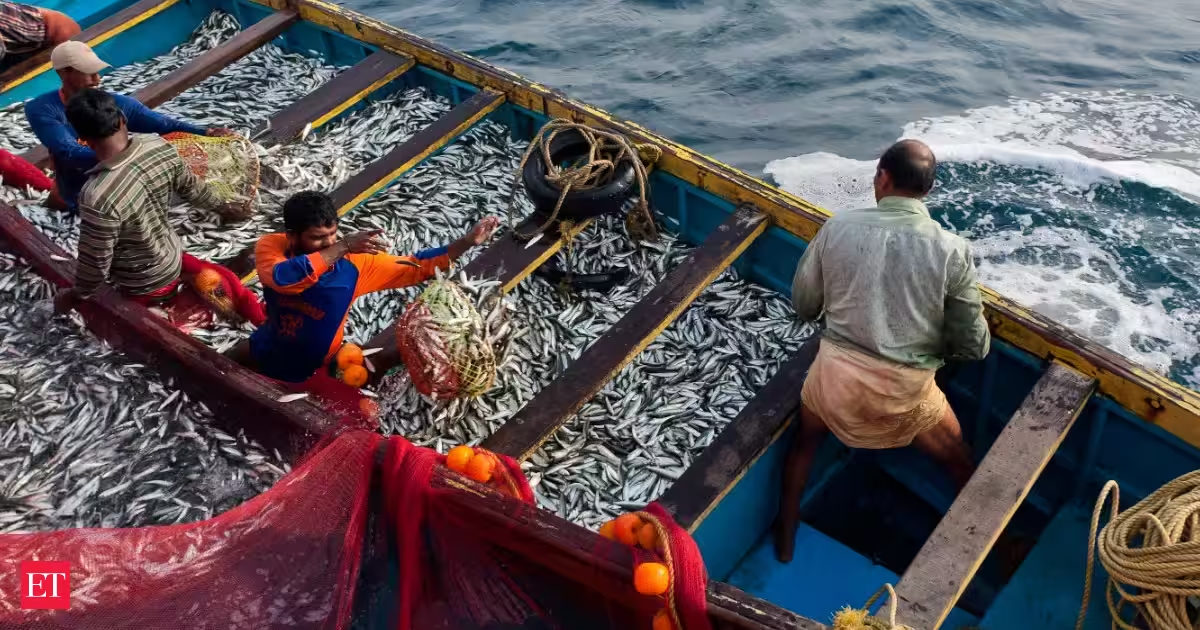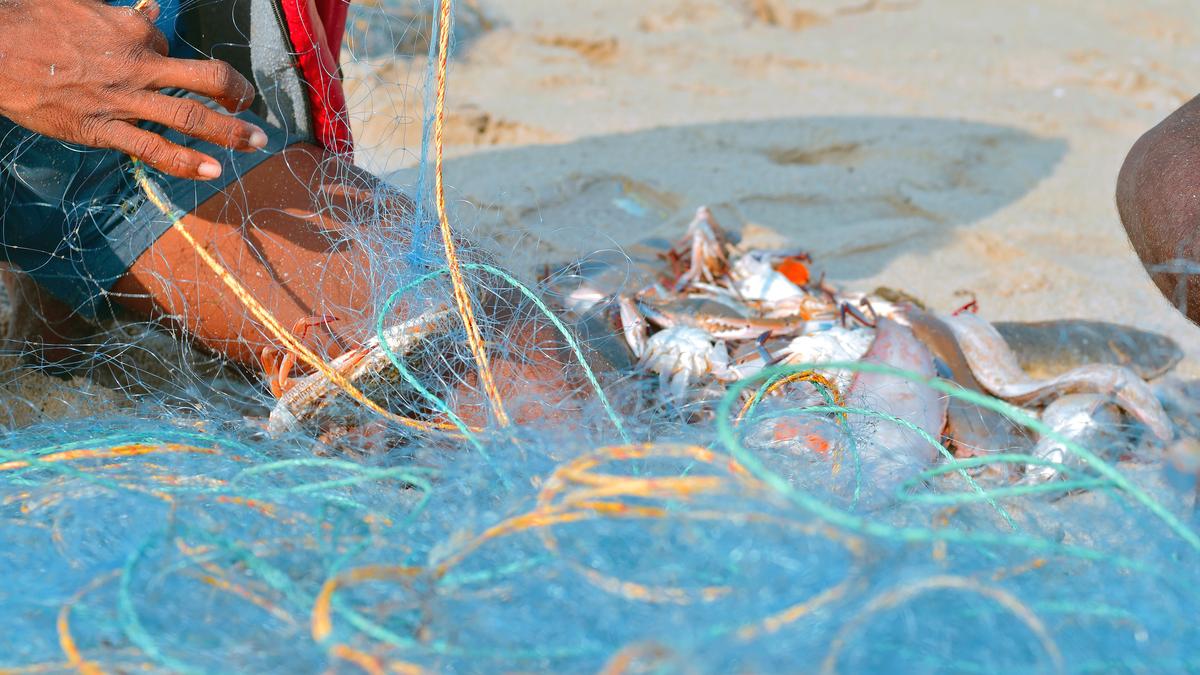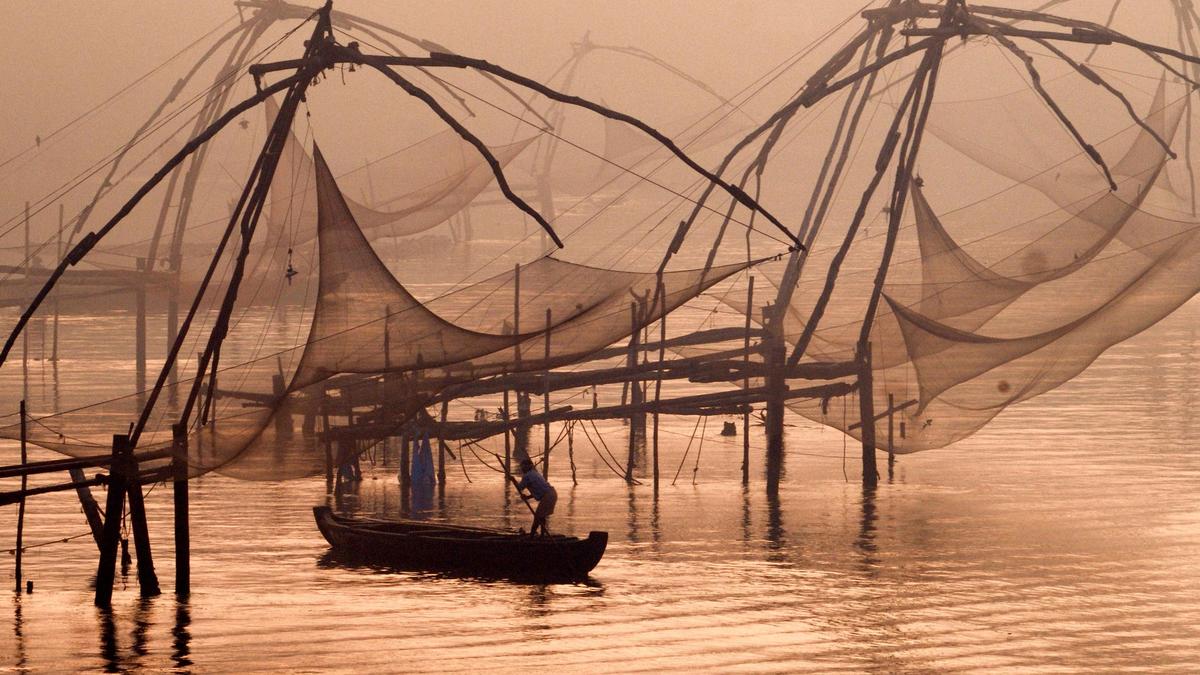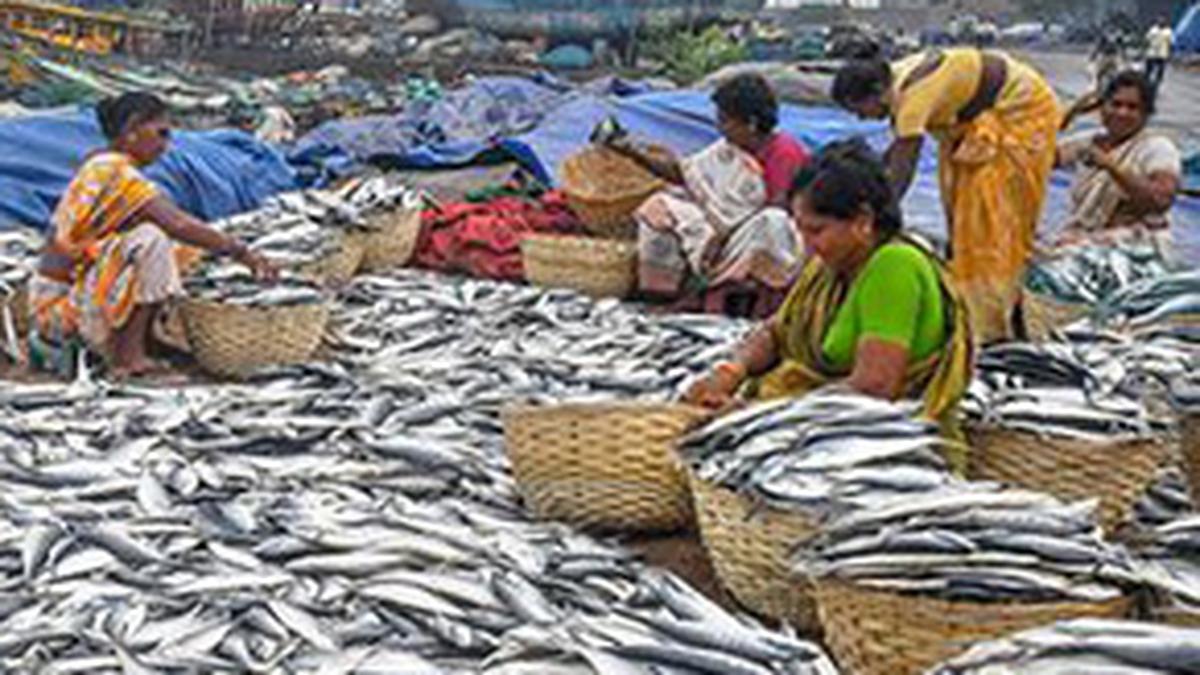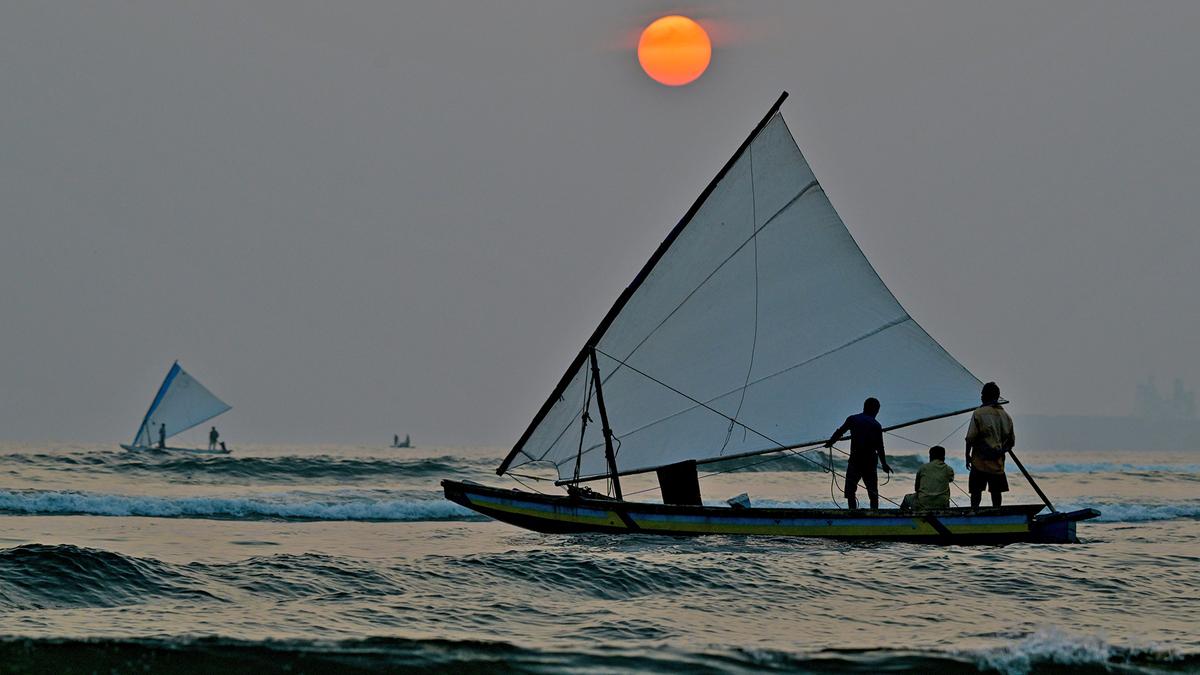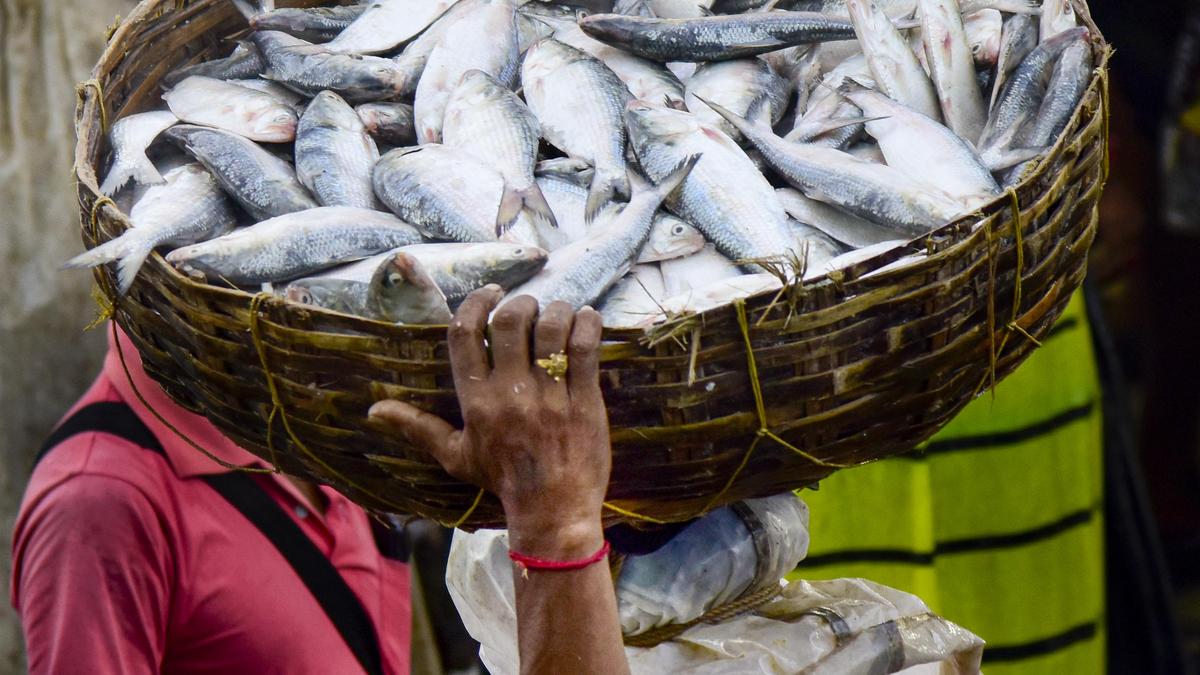
India’s sustainable blue economy is all set to get a fillip with the MoSPI (Ministry of Statistics and Programme Implementation) now beginning an unusual and potentially important statistical experiment of valuing the country’s marine fish resources.The MoSPI’s concept paper ‘Methodological Approach for Compilation of Experimental Monetary Asset Accounts of Marine Fish Resources’ — on the basis of the U.N. System of Environmental-Economic Accounting (SEEA), an international framework of linking environment with economic accounts — is a significant shift in measuring the India’s natural resources, the second largest fish-producing country in the world, which accounts for 8% of the global production.By assigning a monetary value to marine fish stocks (found in both coastal and inland within exclusive economic zones or EEZs), India is moving towards measuring the wealth contained in oceans. The fishing industry is a cornerstone of India’s blue economy, supporting nearly 30 million livelihoods, while ontributing significantly to exports.The logic is straightforward. Fish in the sea, a natural capital asset; caught during the year represent a flow of economic benefits from that asset. Marine fish form a major component of India’s capture fisheries.Total fish production in FY25 was reported to be 19.77 million metric tonnes (MMT), of which 77% were from inland and 23% were from marine sector. The sector’s contribution was an estimated ₹1.76 lakh crore, or 1.09% to the national gross value added in 2023–24.India’s total marine fish production was 46.15 lakh tonnes in 2024-25, compared to 34.43 lakh tonnes in the 2013-14, reflecting the expansion of marine fisheries over time.More than 350 varieties of marine products — including frozen fish, squid, cuttlefish, and dried items — have found their way to 130 international markets. In FY25, export of marine products was 1.7 MMT, valued at ₹62,408.45 crores, growing annually by 3.11% (in volume).These figures however do not show whether commercially important marine fish stocks can sustain similar production in the future.Yet aggregate production figures alone cannot reveal the changing value of individual species, regional fish stocks, or the long-term impact of fishing pressure and environmental change.India joins elite fewAlthough there are constraints of measuring a living, mobile and constantly changing asset; if the move becomes successful, India would join a very small group of countries, which includes Australia, Netherlands, Norway, Canada, U.K., France, U.S. and New Zealand, in attempting to integrate blue natural capital into national accounts.India’s attempt comes at a time when the global experience is still at an experimental and pilot stage. Moreover, the SEEA-Fisheries’ conceptual guidance appears outdated.The Organisation of Economic Cooperation and Development notes that for aquatic resources, “only a handful of countries” are at present compiling monetary asset accounts, unlike forests or minerals where methodologies are more mature.India — which has been compiling environmental accounts since 2018 through its EnviStats India programme, covering assets such as land, water, forests, minerals and pollination — still does not have a regular, comprehensive blue economy GDP series comparable with agriculture or manufacturing. Nevertheless, the available numbers suggest blue economy to be around 4% of GDP.Highlighting the growing importance of the sector, the latest Union Budget earmarked the highest-ever total annual support of ₹2,761.8 crore, as the PMMSY (Pradhan Mantri Matsya Sampada Yojana) continues to be the central pillar of the sectoral development with ₹2,500 crore in 2026-27.India’s vast coastline (of about 11,100 km), an EEZ of over 2 million sq km, and rich marine biodiversity offer immense potential to advance a $100-billion blue economy by 2030.Blue Economy has multiple competing users and fisheries may compete with ports, tourism, offshore energy and coastal development for marine space. Integrated accounts can provide a common economic and environmental database for making such trade-offs more transparent.New Delhi’s statistically ambitious experiment could estimate the economic cost of climate-induced changes in marine resources as well as guide whether India should invest in additional fishing capacity, stock restoration or deep-sea fisheries.NITI Aayog estimates India’s EEZ resource potential at around 7.16 MMT, indicating opportunities for expansion but also warns that some deep-sea resources are vulnerable to overexploitation.How will the accounting be done?The first step is to define the accounting units, essentially, commercially, economically or ecologically important marine fish species to be covered. For every selected resource, there is a need to know whether it is regenerating, stable or being depleted (although India scans regular biomass estimates for commercially important stock). MoSPI therefore proposes using species-wise landing data for the preceding ten years as an initial proxy. Current landings would be compared with historical peaks to classify each stock.The third stage is estimating the “asset life” of each resource; which acts as a bridge between fisheries science and economics; the next step involves core economic concept of calculating the resource rent — the income attributable to the natural resource after deducting labour, operating expenses, depreciation and a normal return on fishing vessels and other capital.The expected future resource rents would then be projected over the stock’s estimated asset life and discounted at a proposed 2% real rate to represent the estimated present value of the future economic benefits generated by that fish stock.A marine fish asset account — statistical record incorporating physical condition and estimated economic value — is then finally arrived at. Unlike annual catch data, it seeks to show whether the resource that supports future fishing income is being maintained, depleted or regenerated.However, there is a caveat that the experimental estimate is based primarily on proxy approaches necessitated by existing data limitations within the marine fisheries sector.BottomlineIndia’s blue economy now stands at a pivotal juncture, balancing immense opportunities for growth with the responsibility to ensure sustainable and responsible use of marine resources, even as it must resist the temptation to attach monetary value to every ocean resource merely for statistical spectacle.The real test is whether the valuation improves policy on better catch limits, sustainable harvesting, stronger coastal livelihoods and a clearer estimate of changes in national wealth.
India’s plan to begin natural-capital and climate-risk accounting of its blue economy | Explained
India initiates natural-capital accounting for marine fish stocks, aiming to enhance its sustainable blue economy and resource management.
976 words~4 min read