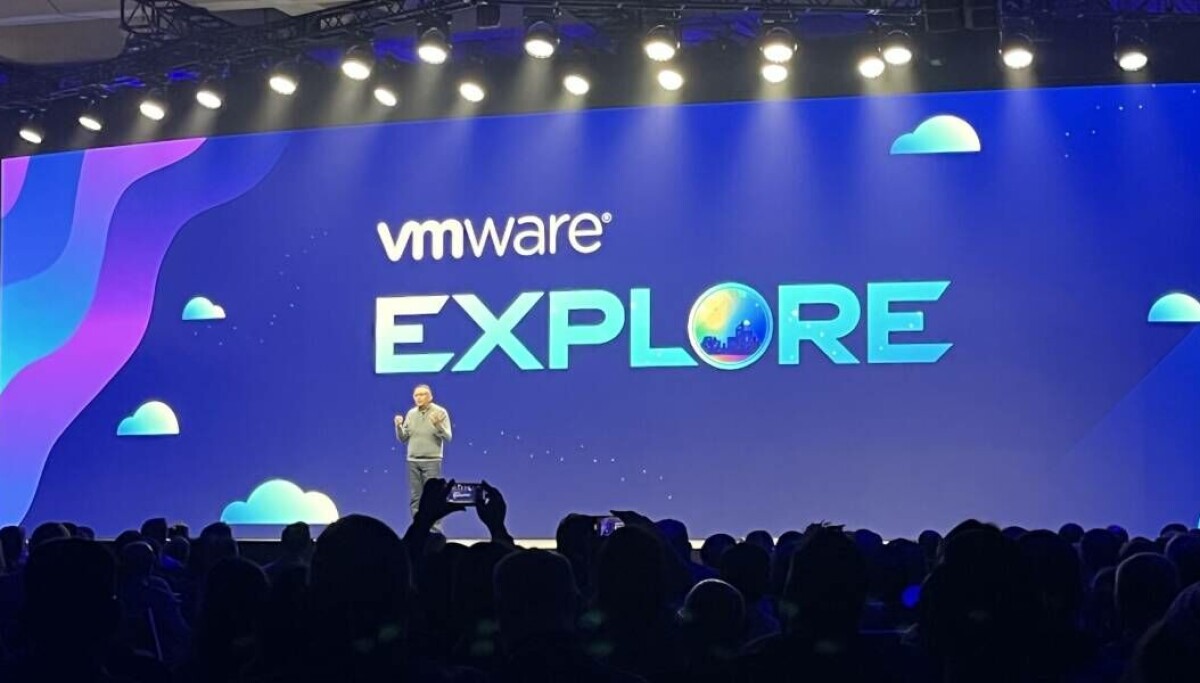
ANALYSIS VMware is about to lose its status as the undoubted leader of the virtualization market after a 20-year reign – a result it doesn’t mind one bit, but which also signals an industry-wide end to significant innovation for traditional server virtualization.The end of VMware's reign will come slowly, then suddenly, between now and October 2027, a period that includes three dates that tens of thousands of VMware customers will have circled on their calendars to remind them of ideal deadlines by which they should change virtualization platforms or reduce their use of VMware. And at VMware’s annual user conference, which kicks off today, the Broadcom business unit probably won’t make a new pitch for them to stay.The VMware users thinking about an exit mostly relied on the virtualization pioneer for the vSphere and vCenter products that together let them virtualize and manage a modest fleet of servers. Broadcom doesn’t sell those products anymore, other than as components in VMware Cloud Foundation (VCF), a bundle of compute, storage, and networking virtualization tools that together assemble a private cloud.
Broadcom insists it sells VCF for less than pre-acquisition VMware did, but the bundle is nearly always considerably more expensive than a VMware user’s last bill – and for many that means paying for VCF even when they don’t plan to use all of its components. Many VMware users are therefore looking to reduce their VMware footprint so that if they acquire VCF, they can shift VMs that don't need it to other platforms.