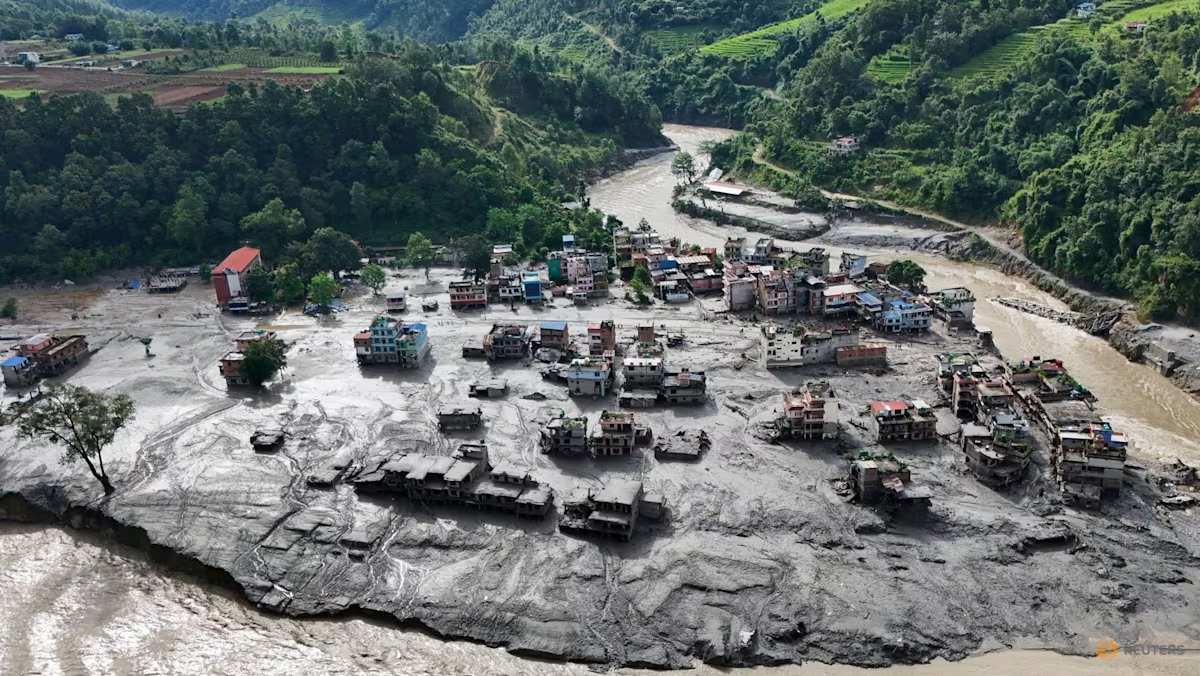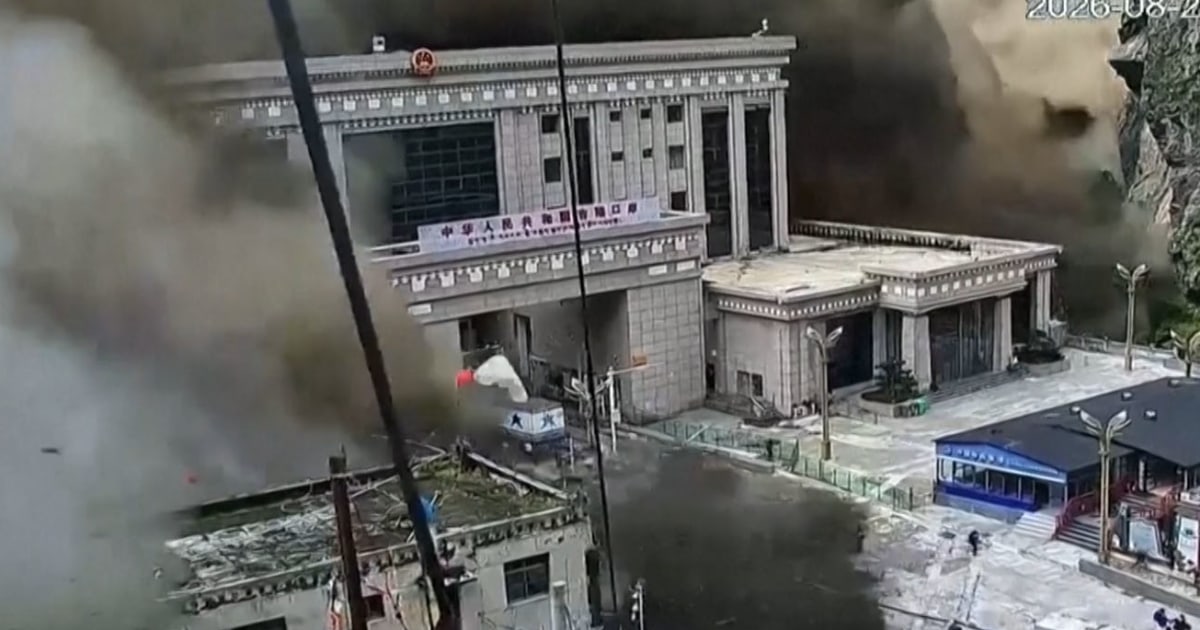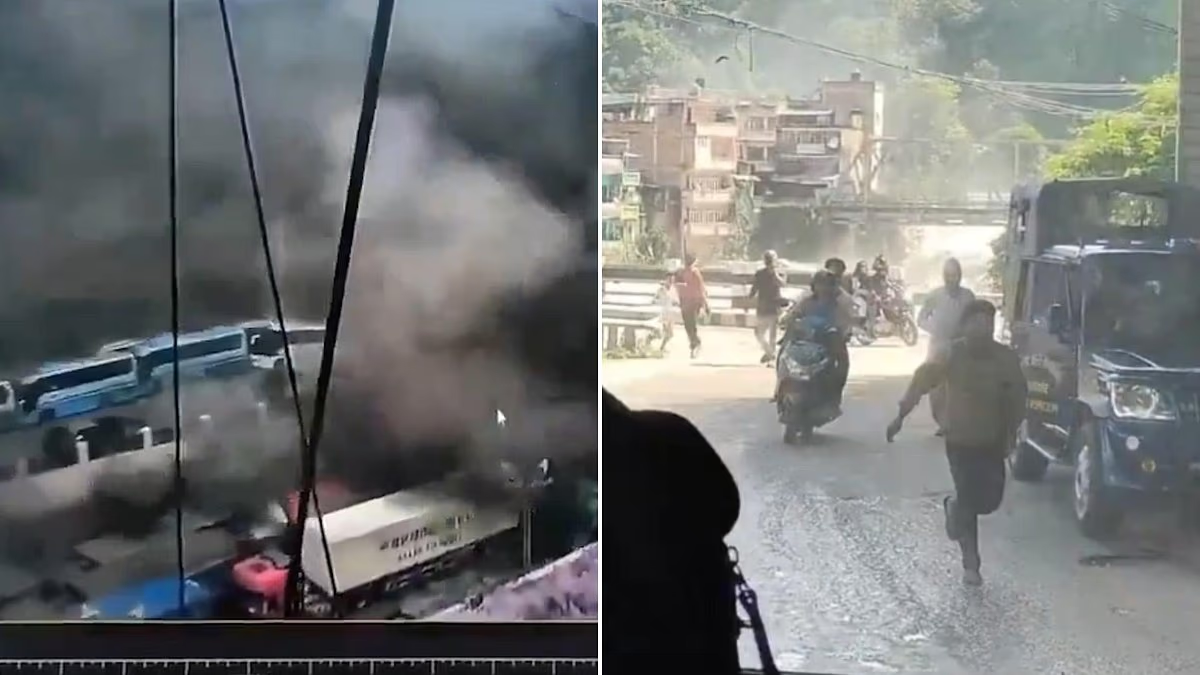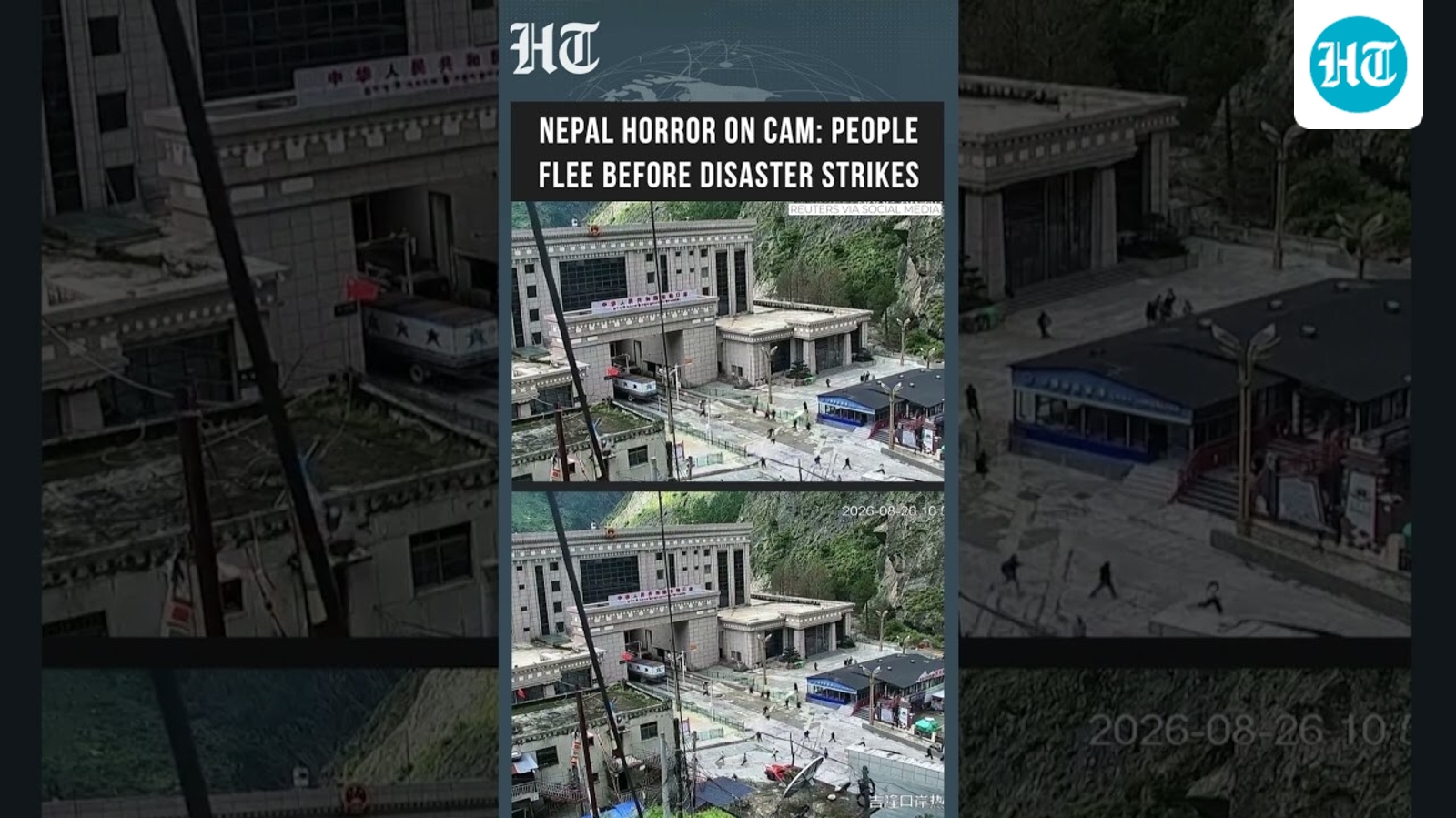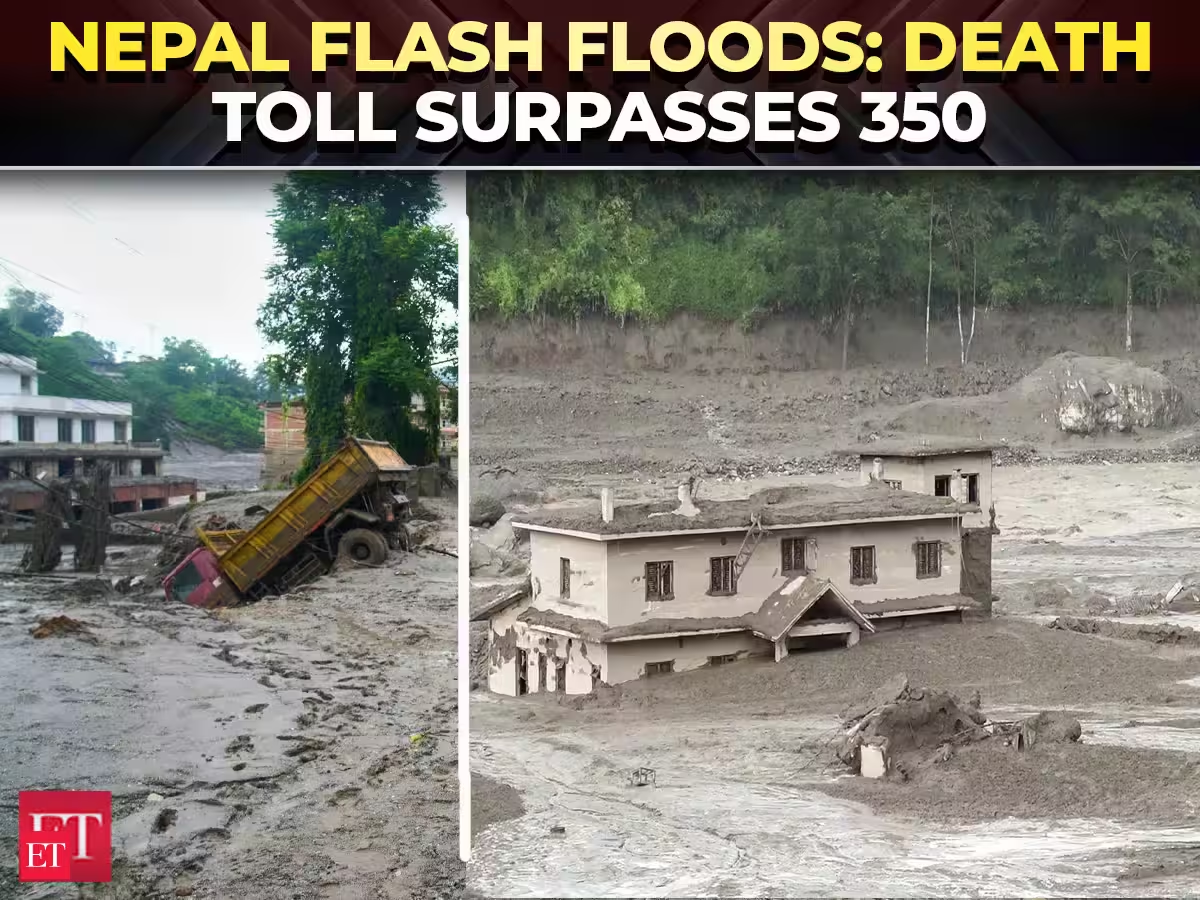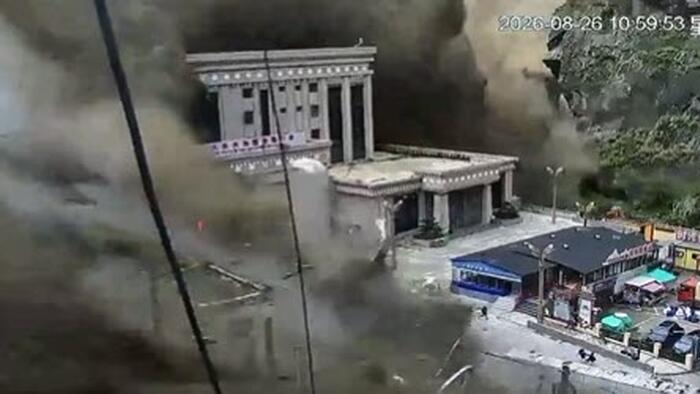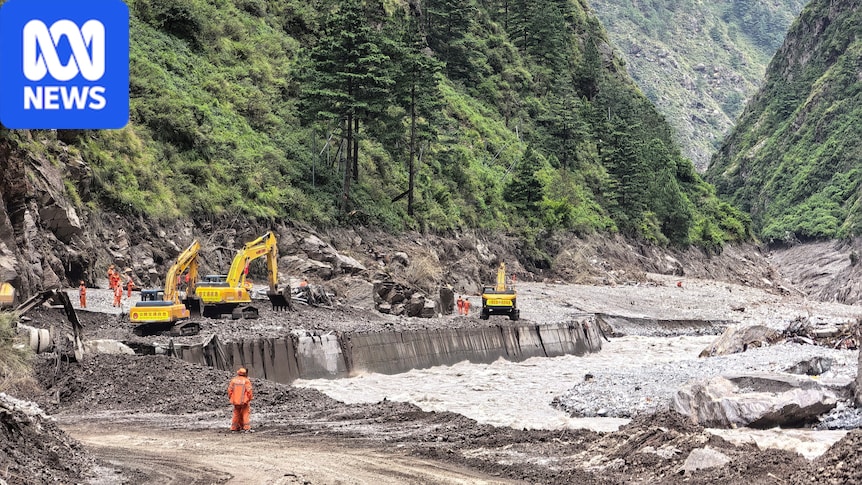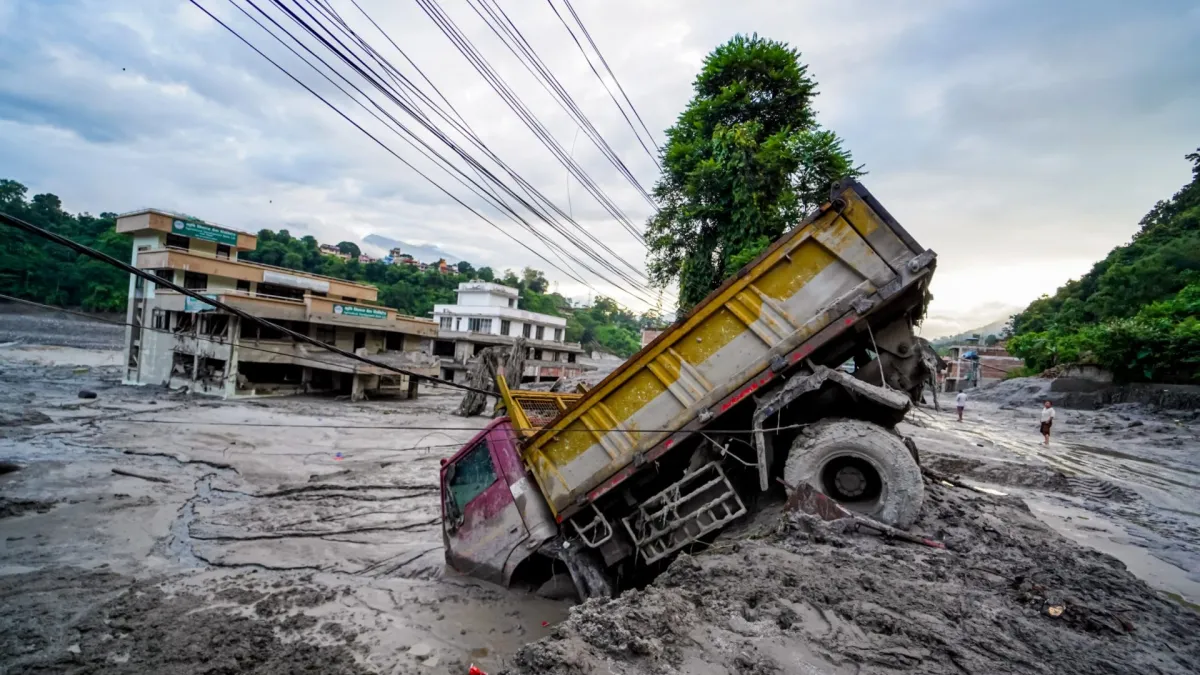
The footage was horrific: a massive wave of ice, mud and floodwater smashing into buildings on the border between China and Nepal with devastating force, sweeping away bridges and cars. Stunned onlookers watched as homes crumpled and towns disappeared. Terrified construction workers were seen fleeing for their lives. No wonder the distressing videos, snatched on smartphones, led global news reports as it emerged that the hundreds of missing people in this Himalayan tragedy included tourists from at least 30 nations.
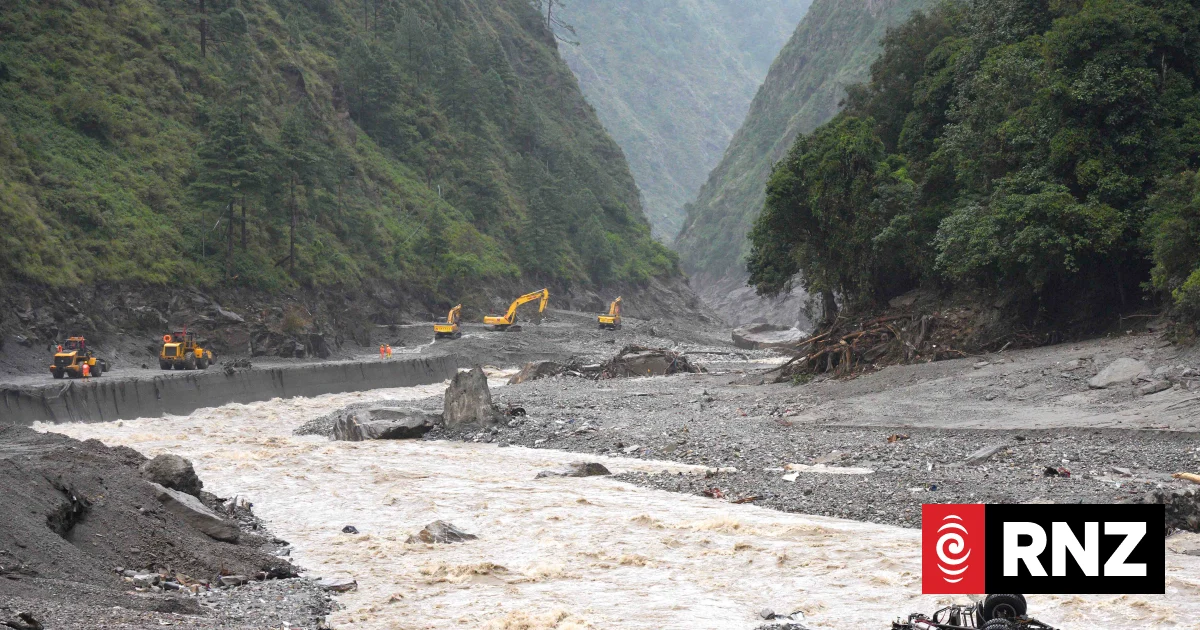
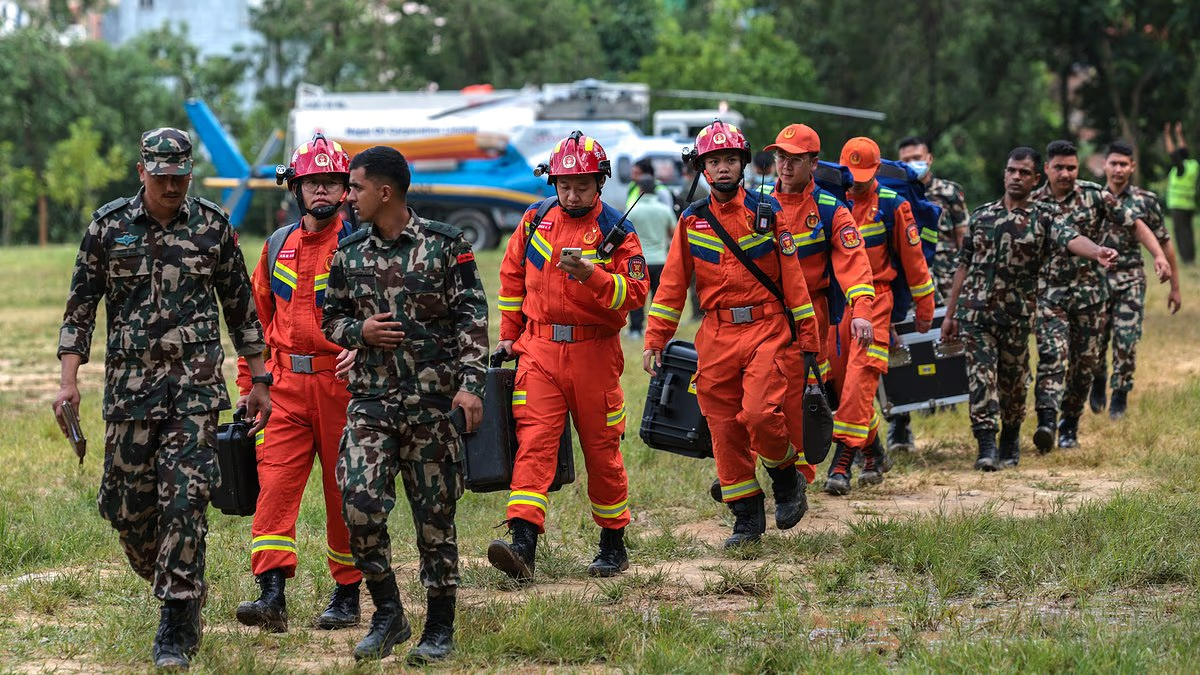
Yet in China, the state broadcaster led its Thursday evening report on the launch of a new book by President Xi Jinping, the latest instalment in this egotistical dictator’s efforts to canonise his dismal reign. This tedious tale also dominated the front page of People’s Daily, the country’s most popular newspaper, the following day. At the bottom, readers could find a report about 800 metres of roads being reopened in the landslide-stricken region, illustrated with a picture of rescue teams. Meanwhile, official censors removed any disaster footage appearing online.
This set the tone for Beijing’s coverage: downplaying fatalities, focusing on rescue efforts, promoting the role of political leaders and rapidly insisting the initial glacier collapse occurred in Nepal despite differing claims. As I write, only a single image of that wall of water has been shown on state media. Typical of the posts scrubbed from social media was an article briefly seen on a WeChat account describing how fleeing people were “swallowed up” by “the black torrent” – then pointing out that the “Friendship Bridge” swept away at the border crossing had reopened just a few months ago following another fatal flash flood last year, which originated with the bursting of a Chinese glacial lake.