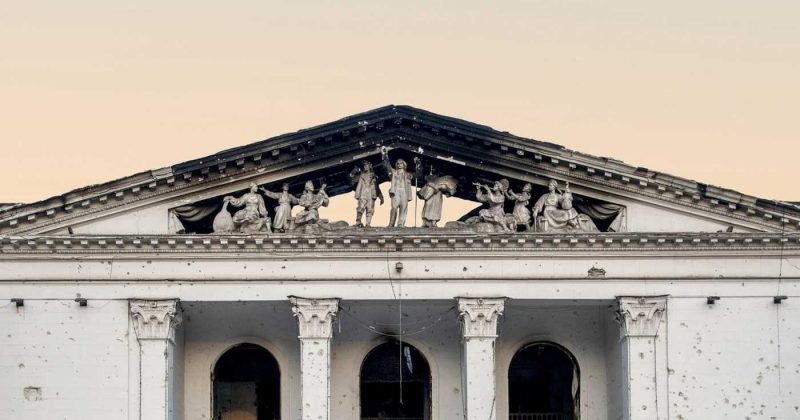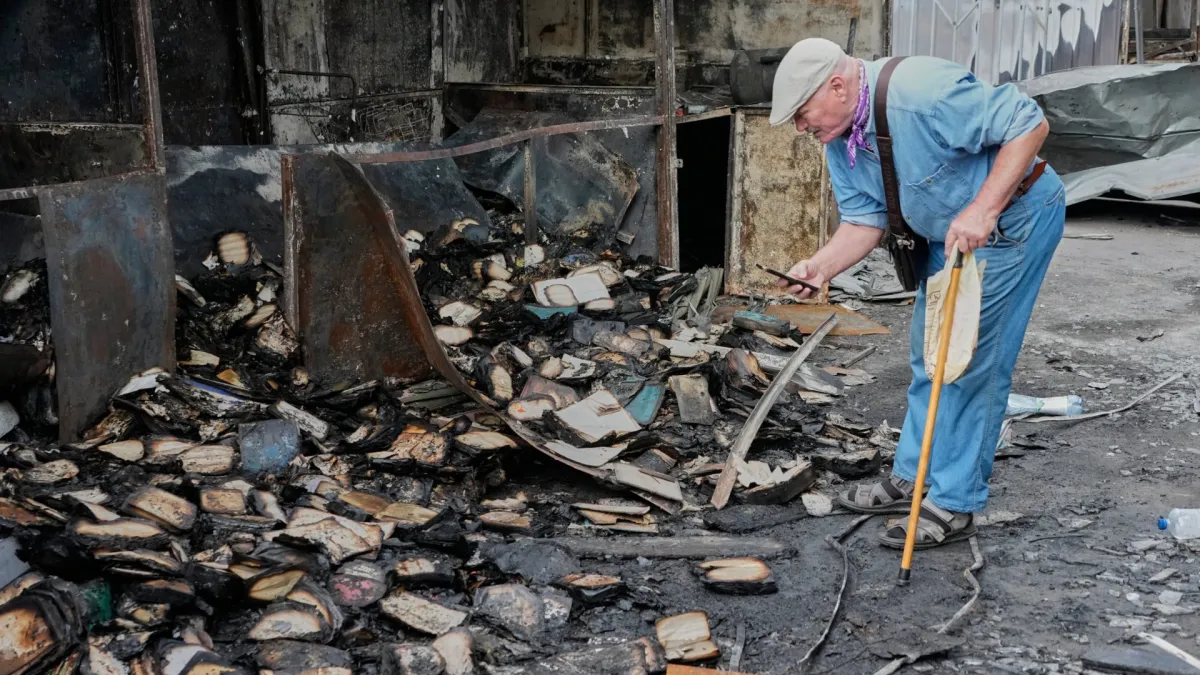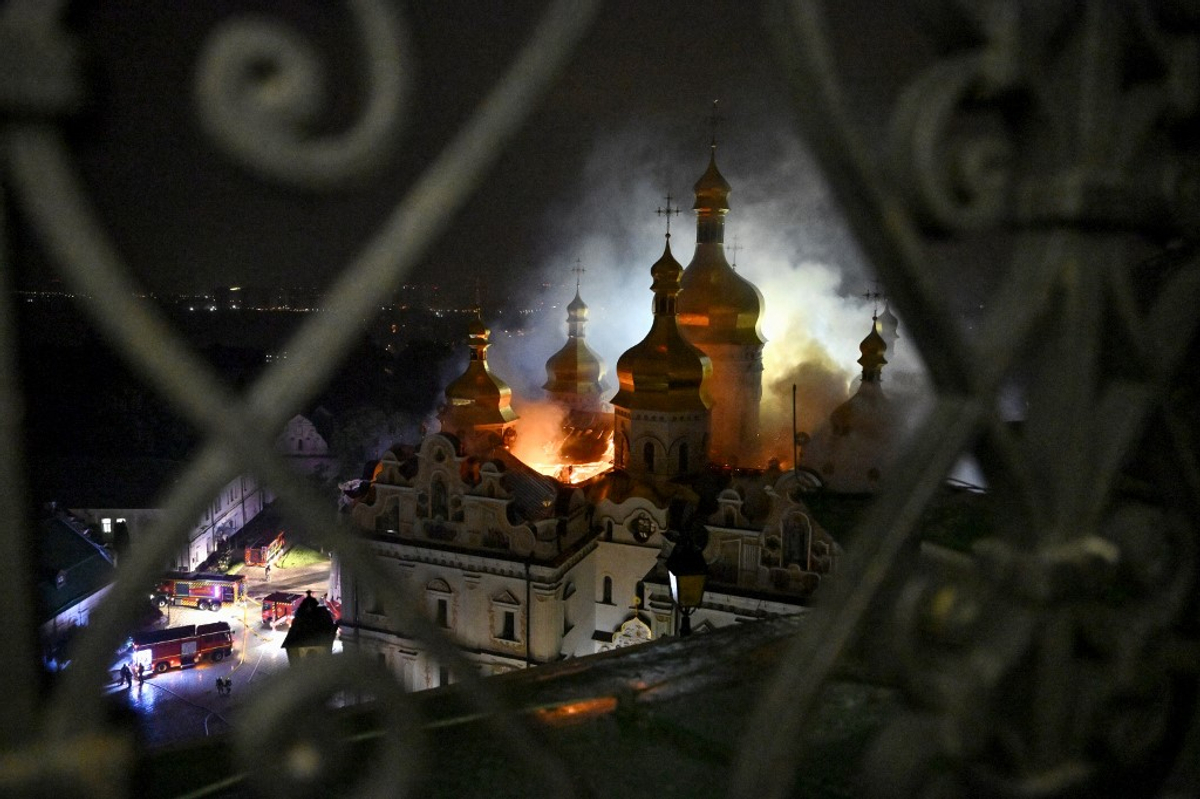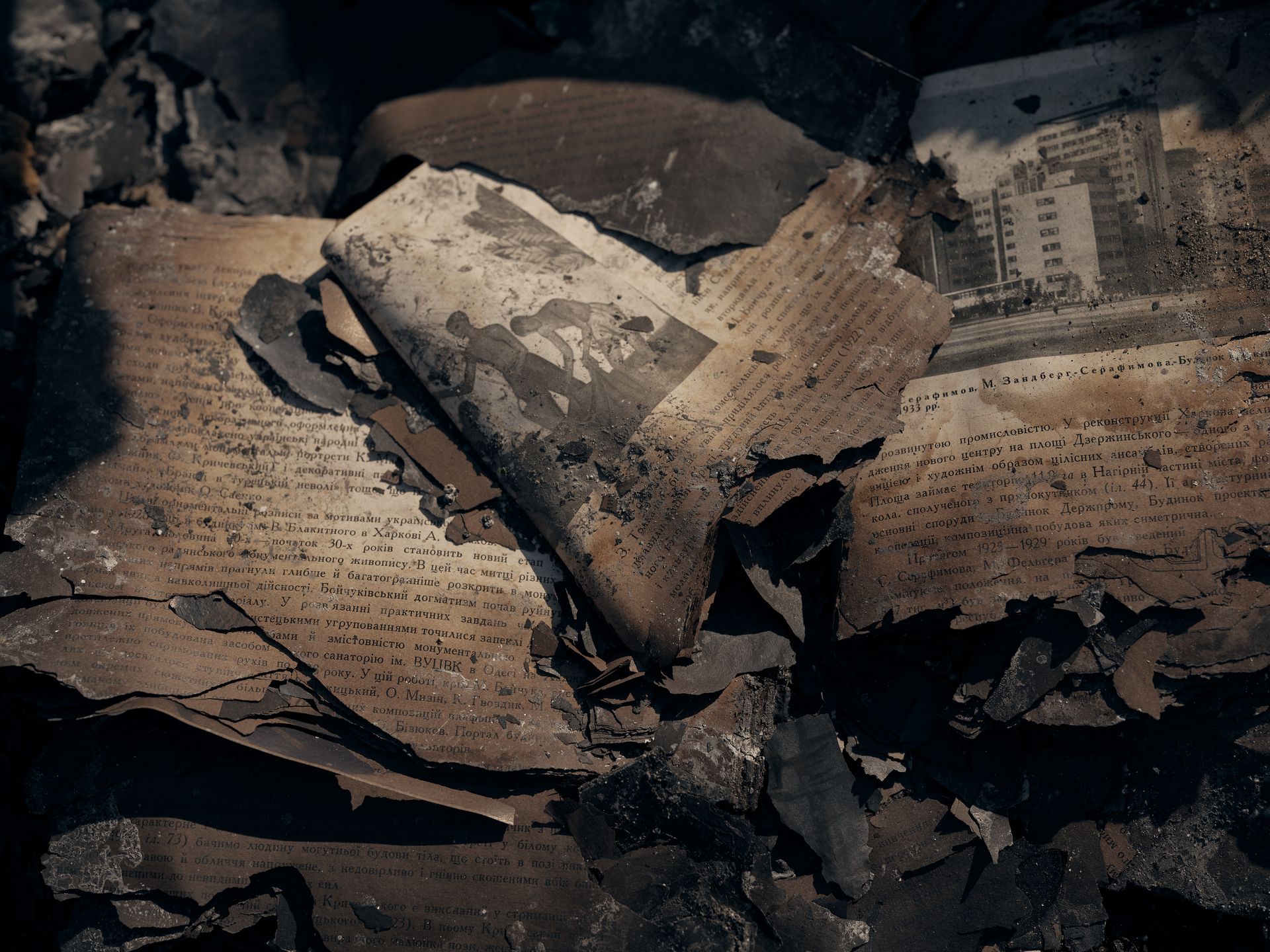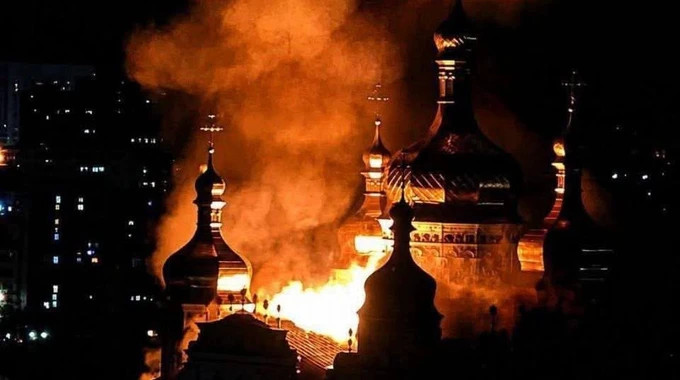
Russia is waging war not only against Ukrainian culture but against Ukrainian identity. Ukraine is seeking to make international law recognize the full extent of that campaign. When Russian forces enter a Ukrainian city, they do not look only for military personnel and officials whose names appear on their lists. They also search for teachers, priests of the Orthodox Church of Ukraine, museum workers, local historians and librarians. Russia is waging war on memory, and those who carry that memory are more dangerous to it than weapons.JOIN US ON TELEGRAMFollow our coverage of the war on the @Kyivpost_official. International law is not powerless in the face of attacks on culture: conventions and statutes already prohibit many such acts. Yet this legal framework primarily recognizes what can be counted, while the deepest dimension of the crime does not fit neatly into any existing category. We have become accustomed to discussing the destruction of culture through the language of losses: how many sites have been damaged or destroyed and what exactly has been lost. This is a necessary and legitimate conversation, but it overlooks an important point: culture is a much broader and deeper concept. It holds communities together, transmits values, shapes consciousness and identity, and creates practices and an entire way of life around them. A church is not only its walls but also its community. A school is not only a building but also a language. A local history museum is not merely a collection of objects but a city’s answer to the questions of who we are and where we come from.
Can Ukraine Set a New Standard in International Law?
Russia’s war on Ukrainian culture goes beyond the destruction of heritage sites. It targets memory, language and identity – and Ukraine is seeking to make international law recognize the full extent of that harm.
1,534 words~7 min read