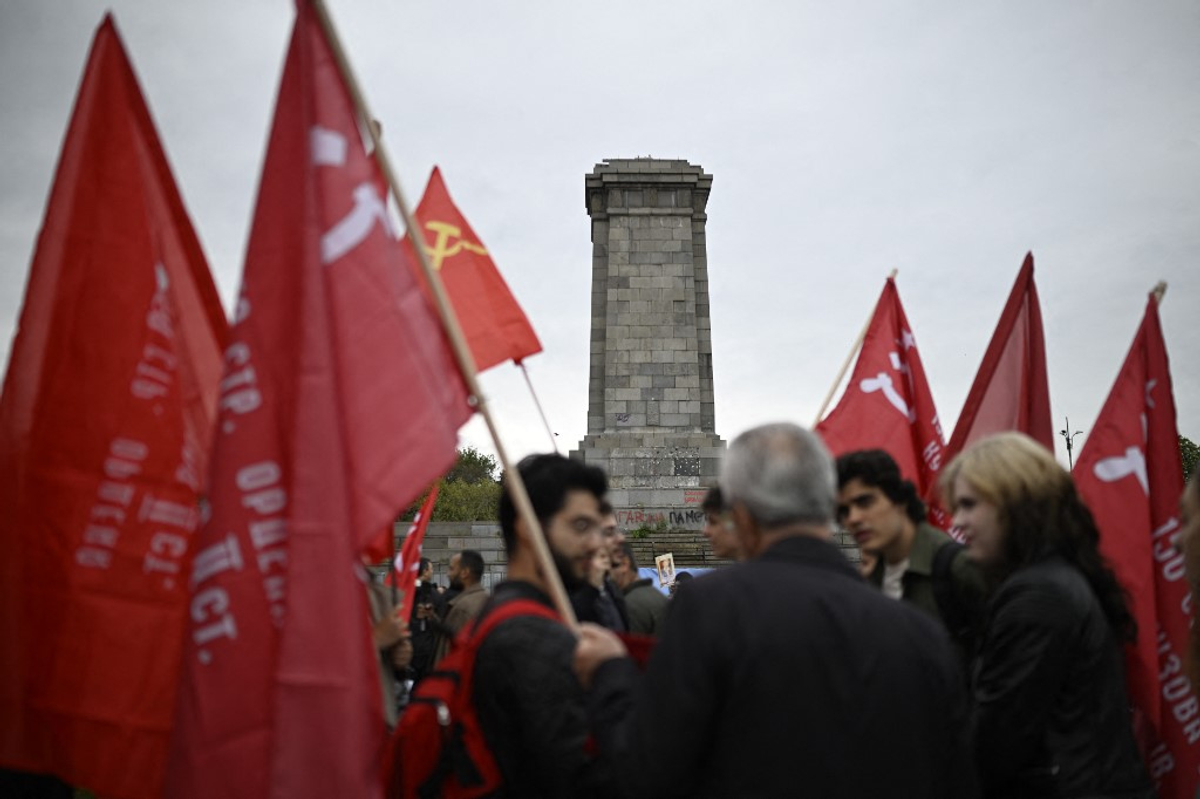
More than 12 years into Russia’s war against Ukraine, one might assume the dangers of Russian cultural policy abroad no longer require explanation. Yet reality suggests otherwise.JOIN US ON TELEGRAMFollow our coverage of the war on the @Kyivpost_official. Russian culture and its representatives remain embedded in the everyday cultural life of European countries while continuing to enjoy success in the so-called Global South. One could argue that the world has condemned Russia for its actions, sanctioned Russian artists, and even opened criminal investigations against some of its most prominent cultural figures. That is true. But the deeper problem is that much of the world still clings to the belief that “culture and science exist outside politics,” allowing Russia to continue operating by its own rules. In 2022, in response to Russia’s full-scale invasion of Ukraine, the EU imposed sanctions on several key institutions of Russian cultural diplomacy, including Rossotrudnichestvo, the Russian House network, the Russkiy Mir Foundation, and the Gorchakov Public Diplomacy Fund. Nearly four years later, despite restrictions and public criticism, these structures continue functioning and openly promote Kremlin narratives among European audiences while contributing to political destabilization.
How Russia Uses Culture as a Tool of Influence After EU Sanctions
Despite EU sanctions, Russian cultural diplomacy continues operating across Europe, Africa, and Asia, advancing Kremlin narratives.
1,325 words~6 min read